

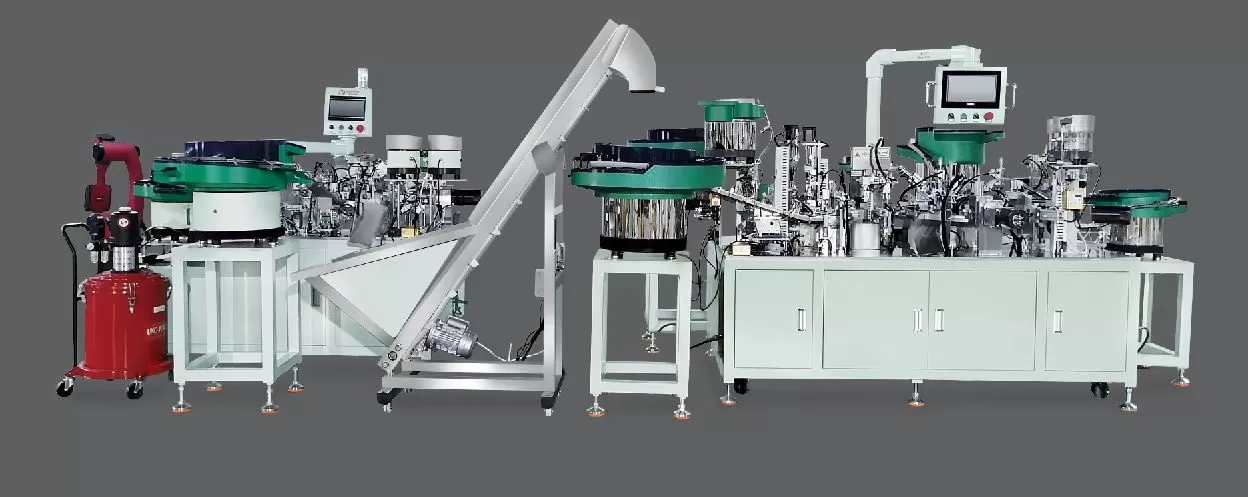
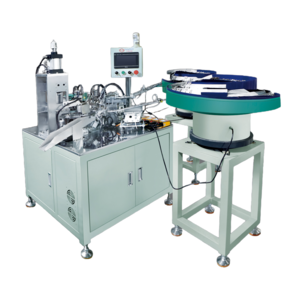
Jieyang hinge automatic assembly machines are critical in modern manufacturing, streamlining hinge production with precision and efficiency. At Sanyhore, a leading manufacturer specializing in hinge assembly machines, telescopic drawer slide assembly machines, and roll forming machines, we adhere to a rigorous workshop production process to ensure every unit meets industry standards. This article details the key stages of our hinge automatic assembly machine production, highlighting our commitment to quality and innovation.
1. Design and Engineering: The Foundation of Precision
The journey begins with meticulous design and engineering. Our team uses advanced 3D CAD modeling to create detailed blueprints, simulating assembly sequences and testing component interactions. Material selection is based on application requirements—stainless steel for durability, brass for conductivity, or aluminum for lightweight performance—all sourced from certified suppliers to guarantee material integrity. By integrating finite element analysis (FEA), we optimize structural stability, ensuring the machine can handle high-speed operations without deformation. This phase also involves collaborating with clients to align with specific hinge dimensions, load capacities, and production speed needs, laying the groundwork for a machine tailored to their exact requirements.
2. Component Manufacturing and Raw Material Preparation
Raw materials undergo strict preprocessing before entering the assembly line. Sheets of metal are first cut to precise dimensions using high-precision laser cutting machines, minimizing material waste and ensuring clean edges. Next, components like hinges, springs, and fasteners are shaped via CNC stamping and bending, where computer-controlled tools form parts with tolerances as tight as ±0.02mm. For moving parts, precision machining centers with multi-axis capabilities create intricate details, such as gear teeth or pivot points, ensuring smooth operation. Every component is then subjected to initial quality checks—visual inspection for surface defects and dimensional verification via coordinate measuring machines (CMM)—eliminating subpar parts before assembly.
3. Automated Component Handling and Quality Control
To enhance efficiency, we implement automated material handling systems, including robotic arms and conveyor belts, to transport components between workstations. These systems are programmed with machine vision technology, which scans parts to confirm orientation and presence, ensuring only correctly positioned components proceed to the next stage. For critical parts like hinge pins and bushings, in-line vision inspection systems check for misalignments or damage, while automated gauges measure thread depth and hole diameters. If a component fails any test, it is immediately diverted to a reject bin, preventing errors downstream and maintaining overall production quality.
4. Assembly Line Integration: Bringing Components to Life
The core assembly phase combines automated tools with human oversight to balance precision and adaptability. Robotic arms, equipped with specialized grippers, pick and place components with pinpoint accuracy, aligning hinges with frames, inserting pins, and securing parts with ultrasonic welding or riveting. For tasks requiring fine adjustments, such as calibrating spring tension or aligning moving parts, our technicians use specialized tools to ensure optimal performance. During assembly, we integrate sensors to monitor torque, pressure, and movement, verifying that each hinge meets the required force and motion specifications. This stage is critical—over 90% of the final machine’s functionality is determined here, so we prioritize consistency and repeatability.
5. Testing and Calibration: Ensuring Reliability
Before leaving our workshop, every hinge automatic assembly machine undergoes rigorous testing to validate its performance. Functional tests simulate real-world production, running the machine at maximum speed for 24 hours to check for overheating or mechanical issues. Load tests apply controlled forces to hinges to ensure they meet durability standards, while wear tests evaluate component lifespan under continuous use. Calibration then fine-tunes the machine’s settings—adjusting speed, positioning, and sensor sensitivity—to ensure it operates within specified parameters. Our engineers also perform a final quality audit, documenting all test results to provide clients with a comprehensive performance report, ensuring peace of mind before delivery.
6. Final Packaging and Logistics: Delivering Quality to Your Doorstep
Once testing is complete, each machine is prepared for shipment with care. It is wrapped in protective materials to prevent damage during transit, and labeled with serial numbers, operation manuals, and safety instructions. Our logistics partners handle transportation, with tracking systems ensuring timely delivery to any global destination. Before shipping, we schedule a pre-delivery inspection with clients, allowing them to verify machine condition and functionality, reinforcing our commitment to transparency and client satisfaction.
Common SEO Questions for Hinge Assembly Machine Websites
Q: What makes Sanyhore’s hinge automatic assembly machine production process unique?
A: Our workshop process integrates cutting-edge automation, strict quality control, and client-centric design, ensuring machines are efficient, durable, and tailored to specific needs.
Q: Does Sanyhore offer custom hinge assembly machine solutions?
A: Yes, we specialize in custom manufacturing, with design and engineering phases aligned to meet unique hinge dimensions, load requirements, and production speeds.
Q: How does Sanyhore ensure the precision of hinge automatic assembly machines?
A: We use advanced 3D modeling, CNC machining, and in-line vision systems, combined with rigorous testing, to achieve tolerances as tight as ±0.02mm.
Q: What types of machines does Sanyhore produce besides hinge assembly machines?
A: We are a professional manufacturer of telescopic drawer slide assembly machines and roll forming machines, offering comprehensive solutions for various manufacturing needs.
Q: How can clients contact Sanyhore for hinge assembly machine inquiries?
A: Reach out via phone at +86 13425506550 or email at info@sanyhore.com to discuss your project requirements and get a tailored solution.
For over a decade, Sanyhore has been dedicated to perfecting hinge assembly machine technology, leveraging our workshop production expertise to deliver reliable, high-performance equipment. Whether you need a standard hinge assembly machine or a custom solution, our team is ready to assist. Contact us today to explore how we can enhance your production efficiency.


