

TDK(聊天区内容)
标题:Comprehensive Troubleshooting Guide for Jieyang Hinge Automatic Assembly Machine
关键词:Jieyang hinge assembly machine, automatic assembly troubleshooting, hinge malfunction repair, assembly line diagnostics, Sanyhore hinge machine
描述:Learn systematic troubleshooting steps for Jieyang Hinge Automatic Assembly Machine. Fix common issues like misalignment, jamming, and precision errors with professional diagnostic guides from Sanyhore, your trusted hinge assembly machine manufacturer.
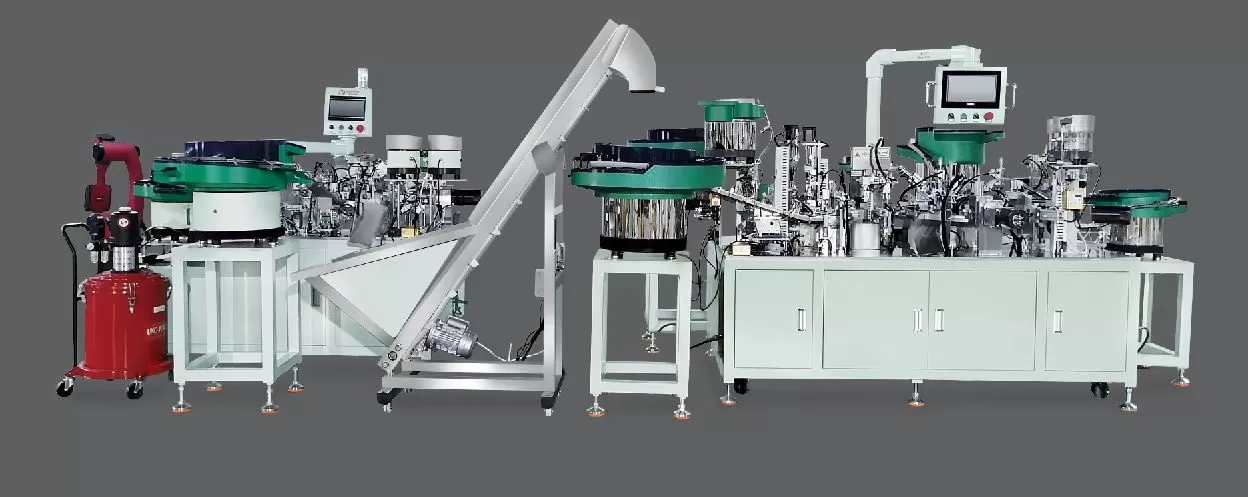
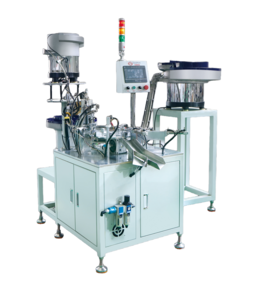
Troubleshooting a Jieyang hinge automatic assembly machine requires a structured approach to minimize downtime and ensure consistent production quality. This guide breaks down the diagnostic process, common issues, and solutions, tailored for professionals maintaining or operating these machines.
#Pre-Assembly Inspection: Foundation of Effective Troubleshooting
Before diving into specific malfunctions, start with pre-assembly checks. First, verify the power supply: ensure voltage matches the machine’s requirements (typically 220V or 380V AC) and that all cables are securely connected. Next, inspect the air pressure system—most automatic assembly machines rely on compressed air (6-8 bar) for component clamping and movement. Low pressure or air leaks can cause inconsistent gripping, leading to misalignment.
Check the feeding system for jams or empty hoppers. Misplaced hinge components, such as pins or springs, often result from improper loading. Additionally, clean optical sensors and vision systems, as dirt or debris can trigger false alarms or misalignment detection failures. These initial steps prevent unnecessary disassembly and narrow down potential issues.
#Common Hinge Assembly Issues: Identifying Symptoms and Root Causes
Jieyang hinge automatic assembly machines face recurring problems, each with distinct symptoms. The most prevalent include:
- Component Misalignment: Symptoms include parts not seating correctly, uneven gaps, or bent hinges. Root causes often involve worn guide rails, loose fixtures, or misaligned grippers.
- Jamming: Hinges or tools getting stuck mid-assembly disrupts flow. This may stem from debris in the assembly chamber, worn bushings causing friction, or oversized components due to material tolerance issues.
- Precision Errors: Final products fail dimensional checks, with measurements outside specified ranges. Possible causes include loose mechanical parts, calibration drift, or incorrect tooling settings.
- Unusual Noise: Grinding, rattling, or clicking sounds indicate mechanical stress. Common culprits are misaligned gears, damaged bearings, or loose fasteners.
#Diagnostic Procedures: Isolating Malfunctions Step by Step
For each issue, follow a diagnostic sequence to pinpoint the root cause:
For Misalignment: Start by reviewing the machine’s alignment protocol in the operator manual. Use a dial indicator to measure gaps between hinge halves and compare to specs. If gaps exceed 0.1mm, inspect gripper positioning—adjustment screws on the gripper arms may need tightening. Check guide rails for wear; replace if surface irregularities (e.g., scoring or deformation) are visible.
For Jamming: Stop the machine and open the assembly chamber. Visually inspect for debris (e.g., metal shavings, leftover plastic burrs) and clean with compressed air. If jams persist, check the tooling—worn or bent fixtures can trap components. Test each tool individually to confirm proper fit with hinge parts; replace any tool showing signs of damage.
For Precision Errors: Verify machine calibration using a precision measuring tool (e.g., vernier caliper). If hinge pin depth or hole alignment is off, recalibrate the X-Y-Z axes via the control panel. Ensure tooling is compatible with the hinge material—softer materials may require rounded tools to prevent deformation, while harder materials need sharper cutting edges.
For Unusual Noise: Disassemble the affected component (e.g., gearbox or bearing housing) and inspect for damage. Replace bearings with play (excessive radial/axial movement) or gears with chipped teeth. Tighten all fasteners, especially those securing the machine frame, to eliminate vibration-induced noise.
#Preventive Maintenance: Reducing Future Malfunctions
After resolving an issue, implement preventive measures to avoid recurrence. Daily maintenance should include lubricating moving parts (e.g., guide rails, grippers) with high-temperature grease, cleaning sensor lenses, and inspecting for loose wiring. Weekly checks involve verifying calibration, replacing air filters, and testing emergency stop functions.
Regularly review production logs to identify patterns—frequent jamming may signal a need for upgraded tooling, while recurring misalignment could indicate worn components. By integrating these practices, you extend machine lifespan and reduce troubleshooting time.
#Conclusion: Trust Sanyhore for Reliable Hinge Assembly Support
When facing persistent issues with your Jieyang hinge automatic assembly machine, remember: Sanyhore is a professional manufacturer specializing in hinge assembly machines, telescopic drawer slide assembly machines, and roll forming machines. Our expertise ensures quick diagnosis and effective solutions. If you need technical support, contact our sales manager directly at +86 13425506550 or email info@sanyhore.com. We’re committed to keeping your production line running smoothly.


