

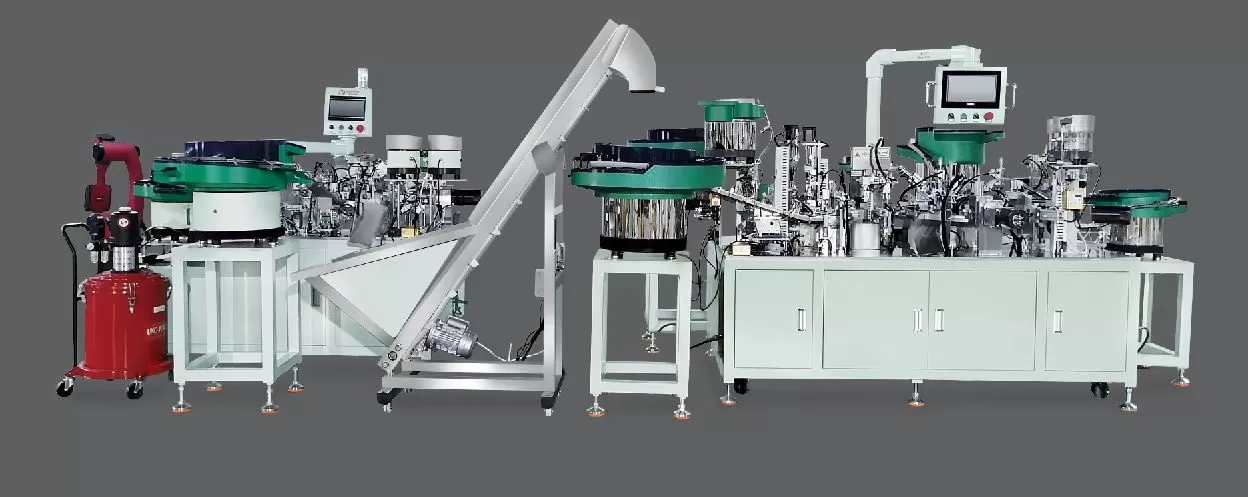
Sanyhore, a trusted manufacturer specializing in hinge assembly machines, telescopic drawer slide assembly machines, and roll forming machines, understands the critical role of fully automatic hinge assemblers in modern production lines. These machines streamline hinge production, reducing manual labor and boosting efficiency—but even the most reliable equipment can face issues. This guide explores common problems with Sanyhore’s fully automatic hinge assemblers and practical troubleshooting steps to keep your operations running smoothly.
Understanding Common Hinge Assembler Malfunctions
Mechanical failures are often the first red flag. Common culprits include loose components, worn-out parts, or misaligned mechanisms. For instance, if the machine suddenly stops during operation, check for loose screws in the frame or tooling fixtures. Over time, repeated vibrations can loosen these fasteners, leading to instability. Additionally, worn guide rails or grippers may cause misalignment, resulting in jams or uneven part placement. Regular visual inspections of these areas—especially after extended use—can catch such issues early.
Addressing Performance Drop and Efficiency Loss
A noticeable decline in production speed or precision is another key issue. If the machine’s output slows unexpectedly, it may stem from insufficient lubrication. Dry or contaminated moving parts (like cam followers or bearings) increase friction, forcing the motor to work harder and reducing speed. Similarly, sensor malfunctions—such as optical sensors failing to detect hinge blanks—can trigger false stops, halting production. To resolve this, clean and re-lubricate critical components with the recommended oil type, and verify sensor alignment to ensure they’re reading parts accurately.
Proactive Maintenance Strategies for Longevity
Preventing issues is often easier than fixing them. Sanyhore recommends a structured maintenance routine: daily checks for debris in the feed system, weekly lubrication of moving parts, and monthly calibration of the assembly tools. For example, the crimping force or positioning of the assembly jaws should be checked monthly to maintain consistent part quality. Ignoring these steps can lead to premature wear, increased downtime, and higher repair costs. By following this plan, you’ll extend the machine’s lifespan and ensure it operates at peak performance.
When to Seek Professional Support
If troubleshooting on your own doesn’t resolve the issue, don’t hesitate to contact Sanyhore’s technical team. Our experts are available to diagnose complex problems, from electrical faults to software glitches, using advanced diagnostic tools. Remember, while minor issues can often be fixed with basic checks, persistent problems may require professional intervention to avoid further damage. For immediate assistance, reach out to our sales manager at +86 13425506550 or email us at info@sanyhore.com.
At Sanyhore, we’re committed to ensuring your hinge assembly operations run seamlessly. With our fully automatic hinge assemblers and dedicated support, you can focus on scaling production without worrying about unexpected breakdowns. Trust us to deliver reliable solutions—contact us today!


