

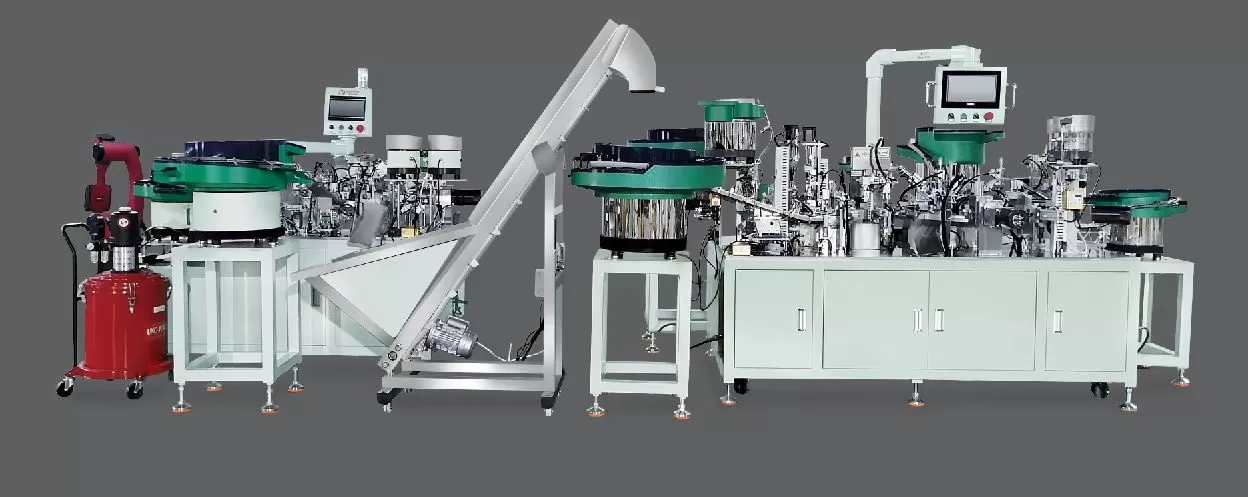
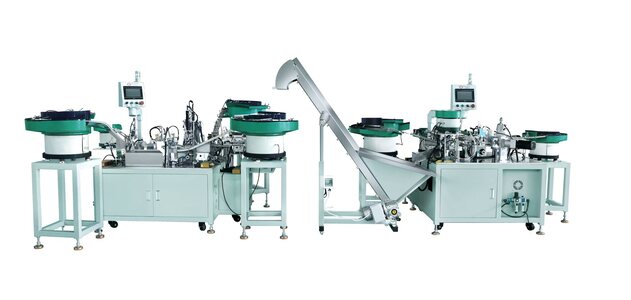
Maintaining your Sanyhore 3D hinge assembly machine is critical to ensuring consistent performance, minimizing downtime, and extending its operational lifespan. As a professional manufacturer of hinge assembly machines, telescopic drawer slide assembly machines, and roll forming machines, Sanyhore understands that proper upkeep directly impacts production efficiency and equipment reliability. This guide breaks down key maintenance practices tailored specifically for your 3D hinge assembly machine, helping you keep it running smoothly for years to come.
1. Daily Inspection Protocols
Start each shift with a quick visual and functional check to catch minor issues before they escalate. First, inspect all exterior components for loose screws, cracks, or signs of misalignment. Pay special attention to the machine’s frame, as vibrations or impacts can cause structural stress over time. Next, verify the status of safety interlocks—these prevent operation if doors or covers are open, so ensure all are fully engaged and their sensors function correctly. Finally, check the control panel for error codes; even a single warning light should prompt immediate investigation, as it often signals early-stage component wear.
2. Lubrication Best Practices
Proper lubrication is vital for reducing friction in moving parts, which is essential for preserving precision and preventing premature wear. For linear rails and slides, use a high-quality lithium-based grease with NLGI 2 viscosity—apply a thin, even layer to ensure full coverage without excess buildup. Bearings and bushings require more frequent lubrication, ideally every 50 hours of operation, using a food-grade oil to avoid contamination of assembled hinges. Always refer to your machine’s manual for specific lubrication points; over-lubrication can trap debris and damage seals, while under-lubrication leads to metal-to-metal contact and overheating.
3. Cleaning and Debris Removal
Contamination from dust, metal shavings, or foreign objects can disrupt the machine’s accuracy and cause unexpected malfunctions. Daily cleaning should include wiping down the worktable and surrounding areas with a lint-free cloth, focusing on crevices where debris often accumulates. For internal components, use compressed air to blow out dust from the control box and sensor areas, and vacuum any loose particles from the drive system. After production runs, inspect the feed mechanism for leftover hinge materials—clogged feeders can lead to jams, which strain motors and reduce efficiency. A clean machine not only operates better but also reduces the risk of long-term damage to critical parts.
4. Precision Calibration Guidelines
Over time, repeated use can cause minor misalignment in the 3D hinge assembly system, affecting the accuracy of hinge placement and pressure application. Schedule monthly calibration checks for key components, including the X, Y, and Z-axis guides. Use a precision dial indicator to verify positional tolerance—adjusting screws or shims as needed to ensure hinges are seated correctly. Additionally, test the machine’s pressure sensors with a calibrated gauge to confirm they align with the specified parameters for your hinge type. For optimal results, work with Sanyhore’s technical support team if you’re unfamiliar with calibration tools, as improper adjustments can lead to part defects or machine damage.
5. Troubleshooting Common Issues
Even with regular maintenance, unexpected problems may arise. A common issue is a decrease in assembly speed, often caused by dry lubrication or worn drive belts. If the machine slows down, first check belt tension and replace any frayed or stretched belts immediately—delaying this can lead to skipped steps and component damage. Unusual noises, such as grinding or squeaking, typically indicate bearing wear or misalignment; stop operation and inspect the affected area, replacing parts if they show signs of pitting or excessive play. For recurring errors, document the issue (including error codes and operating conditions) and contact Sanyhore’s service team for personalized support—our experts can help diagnose and resolve problems efficiently.
6. Long-Term Care Strategies
To maximize your Sanyhore 3D hinge assembly machine’s lifespan, adopt a proactive long-term maintenance plan. Store the machine in a controlled environment with low humidity and temperature (65-75°F/18-24°C) when not in use for extended periods, covering it with a protective sheet to prevent dust accumulation. Inspect all electrical connections quarterly to ensure wires are secure and insulation is intact, and replace any damaged cables promptly. Finally, train your operators on proper usage—avoiding overloading the machine or forcing hinges into place reduces unnecessary stress on components. At Sanyhore, we stand behind our equipment, and with consistent care, your 3D hinge assembly machine will deliver reliable performance for decades.
For personalized maintenance support or to discuss your Sanyhore 3D hinge assembly machine needs, reach out to our sales manager at +86 13425506550 or email info@sanyhore.com. Our team is dedicated to helping you keep your equipment running at its best.


