

Article Content
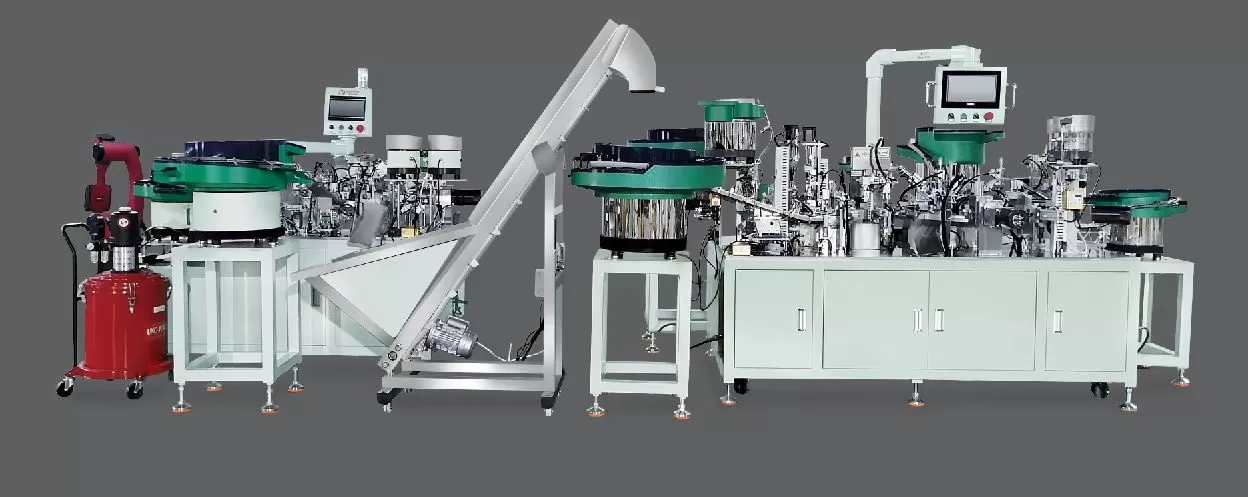
In the dynamic landscape of hinge manufacturing, the demand for higher efficiency, precision, and reliability in production processes has driven the need for continuous technology upgrades. For manufacturers in Jieyang, upgrading hinge automatic assembly machines has become a critical strategy to stay competitive. This article details the comprehensive technology upgrade process, from initial assessment to post-implementation optimization, ensuring seamless integration and maximum return on investment.
#1. Needs Assessment and Goal Definition: Laying the Groundwork
Before initiating any upgrade, a thorough needs assessment is essential. This step involves analyzing the current state of the Jieyang hinge automatic assembly machine, including production metrics (e.g., output rate, defect rate, downtime), operator feedback, and alignment with long-term business goals. Key questions to address include: What bottlenecks are limiting production? How can the machine better align with new industry standards? By defining clear objectives—such as increasing daily output by 25%, reducing manual intervention, or enhancing product consistency—manufacturers can set a roadmap for the upgrade. For example, a manufacturer prioritizing precision might focus on upgrading vision inspection systems, while one aiming to cut costs could target energy-efficient drive components.
#2. Component Analysis and Selection: Choosing the Right Technologies
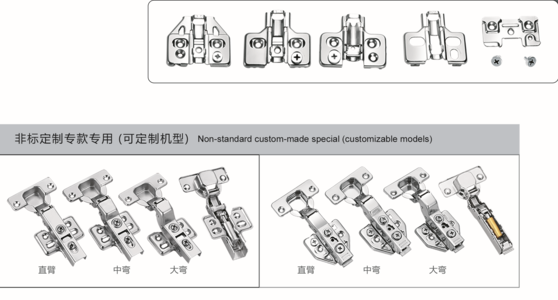
The core of the upgrade lies in selecting compatible, advanced components that address the defined needs. Hinge automatic assembly machines rely on a network of sub-systems, including control units, drive systems, sensors, and tooling. For control, modern PLCs with intuitive HMI interfaces can streamline operations, enabling real-time monitoring and parameter adjustments. Servo-driven systems, replacing traditional motors, offer higher speed stability and lower maintenance needs. Vision sensors, integrated with AI algorithms, can detect micro-defects in hinge parts with 99.5% accuracy, reducing manual inspection errors. Tooling, such as precision grippers and forming dies, should be compatible with the machine’s structure to avoid fitment issues. Sanyhore, as a professional manufacturer of hinge assembly machines, provides customized component solutions tailored to specific machine models, ensuring seamless integration.
#3. Integration and Testing: Ensuring Seamless System Performance
Once components are selected, the integration phase begins. This involves physical installation of new parts, software configuration, and calibration. The process must adhere to safety standards, with strict adherence to the machine’s original design specifications to prevent damage. After installation, rigorous testing is conducted across three phases: functional testing (verifying all sub-systems work independently), performance testing (simulating production conditions to check output, speed, and precision), and stress testing (overloading the system to identify failure points). For instance, a test run with 5000 hinge units might reveal minor adjustments to the feeding mechanism, ensuring the upgraded machine meets the target defect rate of<0.5%. During this phase, operators are also trained on new workflows, with focus on using the updated HMI and understanding new maintenance protocols.
#4. Training and Documentation: Empowering Operators for Long-Term Success
A successful upgrade is incomplete without equipping the team with the skills to operate and maintain the new system. Training sessions should cover system navigation, troubleshooting common issues, and preventive maintenance tasks. Customized documentation, including step-by-step operation guides, wiring diagrams, and diagnostic flowcharts, serves as a reference tool for operators. Sanyhore provides on-site training and digital resources, ensuring that staff can quickly adapt to the changes. For example, a 2-day training program might include hands-on practice with the new control panel, real-time simulation of production runs, and Q&A sessions to address specific queries.
#5. Post-Upgrade Optimization: Maximizing Long-Term Efficiency
The upgrade process does not end with installation; continuous optimization is key to sustaining performance. Post-implementation, manufacturers should monitor key metrics such as OEE (Overall Equipment Effectiveness), energy consumption, and maintenance frequency. Data analytics tools can track trends, highlighting areas for further improvement. For instance, if the machine’s energy usage spikes after 1000 cycles, a software update to optimize drive settings might reduce consumption by 15%. Regular maintenance, including filter replacements and component lubrication, is also critical to prevent premature wear. Sanyhore offers post-installation support, including remote diagnostics and on-site visits, to ensure the machine operates at peak efficiency for years.
In conclusion, upgrading a Jieyang hinge automatic assembly machine involves a structured process of assessment, component selection, integration, training, and optimization. By partnering with a trusted manufacturer like Sanyhore, which specializes in hinge assembly machines, telescopic drawer slide assembly machines, and roll forming machines, manufacturers can ensure a smooth upgrade that enhances productivity and competitiveness. For inquiries about hinge assembly machine upgrades or to discuss your specific production needs, contact Sanyhore’s sales manager at +86 13425506550 or email info@sanyhore.com.
TDK (to be placed in chat area)
标题:Key Steps in Upgrading Jieyang Hinge Automatic Assembly Machine Technology
关键词:Jieyang hinge automatic assembly machine, hinge assembly machine upgrade, automatic assembly technology, hinge manufacturing process, machine optimization
描述:Discover the step-by-step technology upgrade process for Jieyang hinge automatic assembly machines, enhancing efficiency and precision. Contact Sanyhore for professional machine upgrades.


