

Key Strategies and Benefits of Standardizing the Jieyang Hinge Automatic Assembly Machine Process
In today’s competitive manufacturing landscape, the demand for consistent, efficient, and high-quality production processes has never been higher. This is particularly true for the hinge manufacturing industry, where precision and reliability directly impact product performance and market acceptance. In Jieyang, a major hub for hinge production, the adoption of automatic assembly machines has revolutionized manufacturing, yet the lack of standardized processes often leads to inefficiencies, quality inconsistencies, and increased operational costs. This article explores the importance of standardizing the Jieyang hinge automatic assembly machine process, key strategies for implementation, and the tangible benefits it brings to businesses, with a focus on Sanyhore, a trusted partner in providing advanced assembly solutions.
Understanding the Current Hinge Assembly Landscape in Jieyang
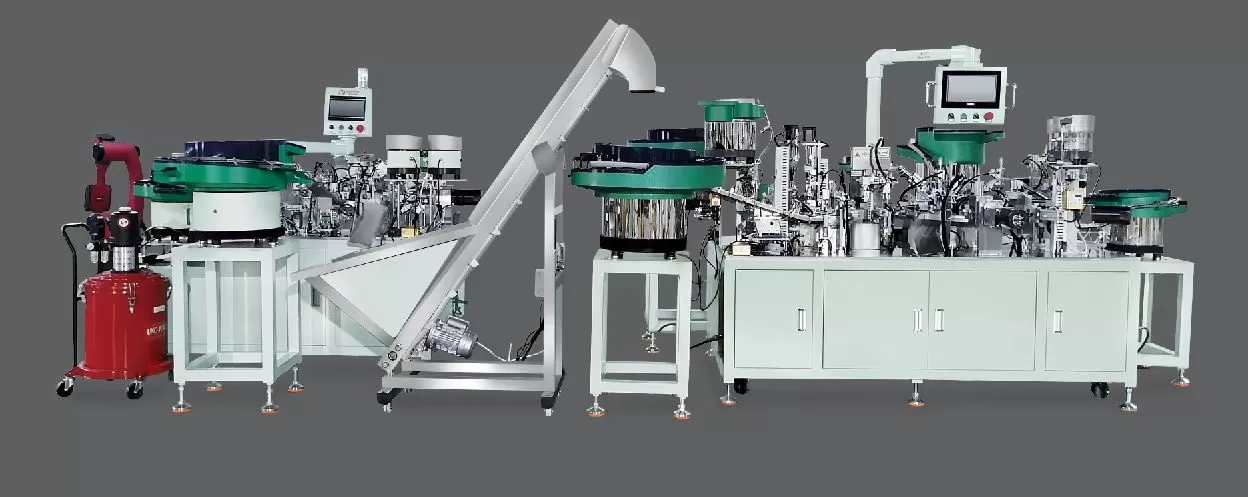
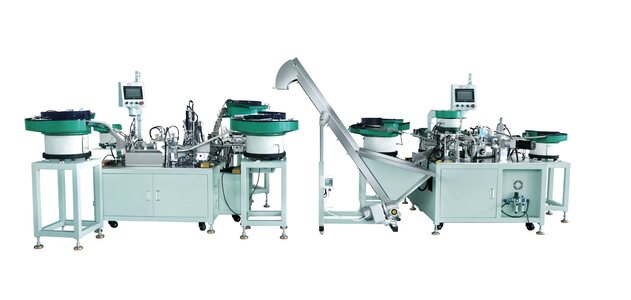
Jieyang’s hinge manufacturing sector thrives on its ability to produce a wide range of hinges, from small residential door hinges to large industrial hinges. Traditionally, manual assembly has dominated the industry, but over the past decade, automatic assembly machines have been increasingly integrated to meet growing demand and improve productivity. These machines, designed to handle tasks such as component feeding, alignment, joining, and quality testing, have significantly reduced production times compared to manual methods. However, despite the adoption of these machines, many manufacturers in Jieyang still struggle with process variability. Each machine may operate with slightly different parameters, use inconsistent tooling, or follow unwritten work instructions, leading to variations in product quality and production output. This lack of standardization not only hinders scalability but also increases the risk of defects and rework, undermining the full potential of automatic assembly technology.
Key Challenges of Unstandardized Hinge Automatic Assembly
The absence of standardized processes in hinge automatic assembly machines presents several critical challenges for manufacturers. First, it leads to inconsistent product quality. Without predefined parameters for component placement, joining force, and inspection criteria, even the most advanced machines can produce hinges with minor variations in dimensions or performance, which may not meet customer specifications. Second, it results in inefficiencies. Unstandardized workflows often lead to redundant tasks, such as frequent tool adjustments or reconfiguration of machines, which increase downtime and reduce overall equipment effectiveness (OEE). Additionally, unstandardized processes make it difficult to train new operators, as there is no clear, consistent set of guidelines. This can slow down onboarding and lead to higher error rates during the learning phase. Over time, these challenges accumulate, increasing production costs and eroding competitiveness in the global market.
Core Elements of Process Standardization for hinge assembly machines
To address these challenges, process standardization for hinge automatic assembly machines must encompass several core elements. First, parameter standardization: defining and documenting precise operating parameters for each machine, such as speed, pressure, temperature, and alignment tolerances. This ensures that every machine in the production line operates within the same range, minimizing variability. Second, component handling standardization: establishing consistent methods for component feeding, orientation, and storage to prevent damage and ensure accurate positioning during assembly. Third, documentation standardization: creating detailed, accessible work instructions, flowcharts, and quality checklists that guide operators through each step of the assembly process. Fourth, tooling standardization: using compatible, calibrated tools across the production line to ensure consistent joining and testing results. Finally, data standardization: implementing a system to collect and analyze production data, such as cycle times, defect rates, and machine performance, to identify trends and drive continuous improvement.
Implementation Steps: From Analysis to Standardization
Implementing process standardization for hinge automatic assembly machines is a systematic process that requires careful planning and execution. The first step is a thorough process audit, where engineers evaluate current workflows, identify bottlenecks, and map out existing parameters and tooling. This analysis helps pinpoint areas where standardization will have the most significant impact. Next, baseline data collection: recording current production metrics, such as cycle time, defect rate, and operator feedback, to establish benchmarks for measuring improvement. With a clear understanding of the current state, the next phase is parameter optimization, where engineers work to define the optimal operating ranges for each machine component. This may involve testing different settings, analyzing data from prototype runs, and refining parameters to balance speed, quality, and cost. Following this, the standardization team develops comprehensive documentation, including standard operating procedures (SOPs), maintenance schedules, and quality control checklists, which are then distributed to all operators and updated regularly. Finally, training and monitoring: ensuring all staff receive proper training on the new standardized processes, and implementing ongoing monitoring to track adherence and identify any deviations from the standards.
Benefits of Standardized Hinge Automatic Assembly Processes
The investment in standardizing hinge automatic assembly processes yields numerous tangible benefits for manufacturers. Perhaps most significantly, it boosts production efficiency by reducing downtime and rework. With consistent parameters and documented workflows, machines operate at peak performance, and operators can quickly identify and resolve issues, leading to shorter production cycles and higher output. Standardization also enhances product quality and reliability, as predefined tolerances and inspection criteria minimize defects, ensuring each hinge meets strict quality standards. This, in turn, reduces customer complaints and the need for post-production adjustments. Additionally, standardized processes simplify training for new employees, as clear, consistent guidelines make it easier to onboard and ensure consistent performance from day one. For businesses in Jieyang, these benefits translate to lower operational costs, stronger customer trust, and a competitive edge in the global market.
Why Sanyhore Stands Out as Your Hinge Assembly Machine Partner
When it comes to implementing hinge assembly machine standardization, Sanyhore is a trusted partner with decades of experience in the industry. As a professional manufacturer of hinge assembly machines, telescopic drawer slide assembly machines, and roll forming machines, Sanyhore combines technical expertise with a deep understanding of production challenges. Our approach to standardization is tailored to each client’s unique needs, starting with a detailed assessment of your current processes and ending with a fully integrated, standardized system that enhances efficiency and quality. We offer modular, customizable machines designed to fit seamlessly into existing production lines, and our team of engineers works closely with clients to ensure smooth implementation and ongoing support. With Sanyhore, you gain access to cutting-edge technology, proven methodologies, and a commitment to long-term success.
Conclusion: Start Your Standardization Journey with Sanyhore
In conclusion, standardizing the Jieyang hinge automatic assembly machine process is a critical step for manufacturers looking to enhance efficiency, reduce costs, and improve product quality. By defining clear parameters, documenting workflows, and implementing consistent tooling and training, businesses can unlock the full potential of their automatic assembly equipment. Sanyhore, as a leading provider of hinge assembly machines and related solutions, is dedicated to helping clients achieve this through innovative, tailored standardization programs. To learn more about how we can transform your production line, contact us today at +86 13425506550 or send an email to info@sanyhore.com. Let’s start building a more efficient, reliable, and competitive hinge production process together.


