

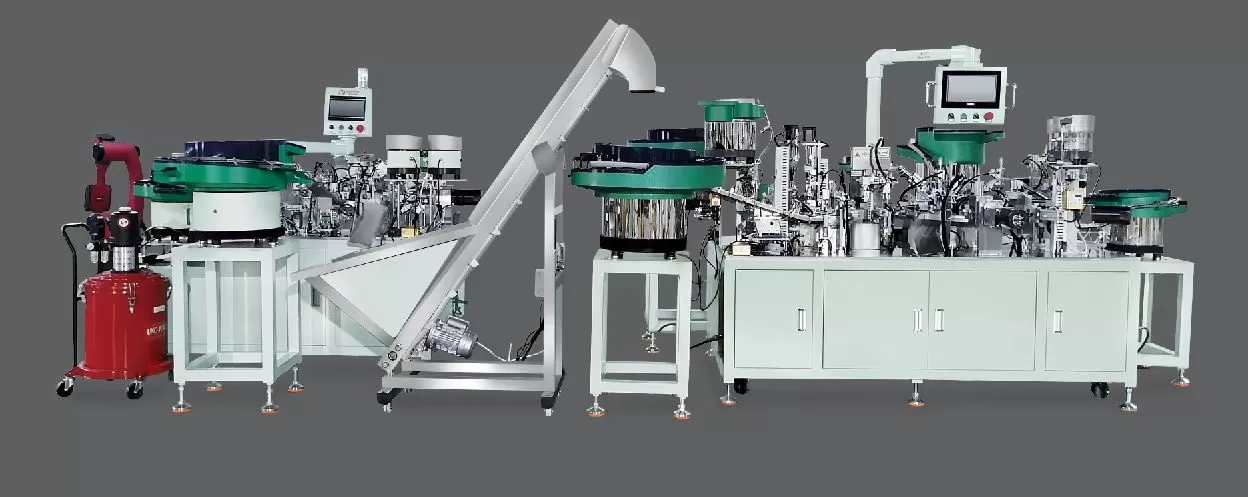
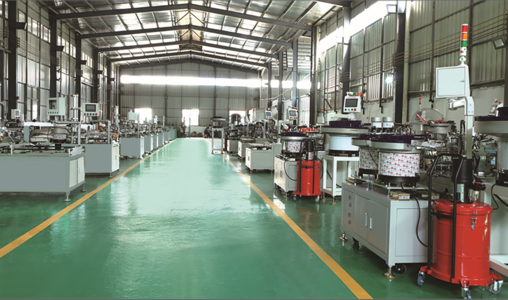
The self-diagnosis process is a critical function for any automatic assembly machine, and Jieyang hinge automatic assembly machines are no exception. Designed to enhance operational reliability and reduce downtime, this process enables real-time monitoring and troubleshooting, ensuring the machine consistently meets production demands. For manufacturers relying on hinge assembly machines, understanding how this self-diagnosis works can significantly optimize maintenance workflows and extend equipment lifespan. Sanyhore, a professional producer of hinge assembly machines, telescopic drawer slide assembly machines, and roll forming machines, integrates advanced self-diagnosis systems into its equipment, making it a trusted partner for efficient hinge production.
Understanding the Core of Self-Diagnosis for Hinge Automatic Assembly Machines
At its core, self-diagnosis for hinge automatic assembly machines is a systematic check that verifies the machine’s components, systems, and performance parameters. Unlike manual diagnostics, which require technical expertise and time, this automated process runs in the background, continuously collecting data and identifying anomalies. Key components involved include sensors (e.g., position, pressure, and temperature sensors), drive systems, tooling, and control units. By cross-referencing collected data with predefined benchmarks, the machine can pinpoint issues before they escalate into production disruptions. This proactive approach is vital for manufacturers aiming to minimize unplanned downtime and maintain consistent output quality.
Key Steps in the Self-Diagnosis Process
1. Initial System Check
When the machine is powered on, the self-diagnosis protocol initiates automatically. It first checks the main controller, power supply, and communication modules to ensure they are functioning within normal ranges. This step often involves verifying power stability, data transmission between components, and the integrity of the control software. If any critical component fails this check, an error code is generated, and the machine may enter a safe shutdown mode to prevent damage.
2. Sensor Data Validation
Next, the system reads data from various sensors. For hinge assembly machines, position sensors track the movement of hinge parts, while pressure sensors monitor the force applied during crimping or insertion. Temperature sensors ensure drive motors and tooling do not overheat. The self-diagnosis process compares real-time sensor values against calibrated thresholds. For example, if a position sensor reports a deviation beyond 0.1mm from the target position, the system flags it as a potential misalignment issue.
3. Error Code Analysis
Most modern automatic assembly machines use error codes to communicate issues. These codes, typically displayed on a user interface or sent to a central management system, correspond to specific component failures or malfunctions. For instance, “E01” might indicate a failure in the linear guide, while “E03” could signal a problem with the pneumatics. The self-diagnosis process decodes these codes, providing technicians with actionable insights to resolve the issue quickly.
4. Functional System Testing
After validating sensor data and error codes, the machine performs short functional tests. This may include a no-load run to check motor responsiveness, a tooling check to ensure clamps or grippers are operating correctly, and a test assembly of a sample hinge to verify if the assembly process meets quality standards (e.g., proper crimping, alignment, or torque). These tests ensure that the machine’s mechanical and electrical systems are not only functional but also producing parts within specifications.
5. Result Verification and Recovery
Once all checks are complete, the self-diagnosis system compiles a report. If no errors are found, it confirms the machine is ready for production. If issues are detected but resolved (e.g., a loose sensor wire or minor software glitch), the system resets and allows operation to resume. If unresolved, it may prompt a technician to perform further diagnostics or schedule maintenance.
Benefits of an Integrated Self-Diagnosis System
An effective self-diagnosis process offers multiple advantages for hinge automatic assembly machine users. First, it reduces unplanned downtime by identifying issues early, allowing maintenance to be scheduled during off-peak hours rather than during production runs. Second, it lowers maintenance costs by minimizing the need for manual inspections and reducing the risk of expensive component failures. Additionally, it improves production efficiency by ensuring the machine operates at optimal performance levels, reducing scrap rates and rework. For manufacturers, these benefits translate to higher productivity and better overall equipment effectiveness (OEE).
How Sanyhore’s Hinge Automatic Assembly Machines Prioritize Self-Diagnosis
As a professional manufacturer of hinge assembly machines, Sanyhore integrates state-of-the-art self-diagnosis systems into its equipment. Our machines are equipped with multi-layered sensors, advanced control logic, and user-friendly diagnostics interfaces, making troubleshooting straightforward. The self-diagnosis process is designed to be intuitive, with clear error codes and step-by-step guidance, even for technicians with limited experience. This focus on reliability and ease of use has made our hinge automatic assembly machines a preferred choice for manufacturers in Jieyang and beyond.
When to Escalate: When DIY Self-Diagnosis Isn’t Enough
While the self-diagnosis process handles most common issues, some complex problems may require professional intervention. For example, if the machine repeatedly displays “E99” (a generic code for critical system failure) or if the root cause of an issue is unclear after following the self-diagnosis steps, it’s best to contact a qualified technician. Sanyhore provides on-site support and maintenance services for all our hinge assembly machines, ensuring that any lingering issues are resolved promptly.
Conclusion: Optimize Hinge Production with Effective Self-Diagnosis
The self-diagnosis process is a cornerstone of reliable operation for Jieyang hinge automatic assembly machines. By enabling real-time monitoring, quick issue identification, and efficient resolution, it helps manufacturers maintain high productivity and reduce operational risks. As a trusted partner, Sanyhore continues to innovate, equipping its machines with the latest self-diagnosis technologies to meet the evolving needs of the industry.
If you’re looking for a hinge automatic assembly machine with a robust self-diagnosis system, or if you need support for your existing equipment, contact Sanyhore today. Our team of experts is ready to help you optimize your production line. For inquiries, call +86 13425506550 or email info@sanyhore.com.


