

.png)
In the competitive landscape of drawer slide manufacturing, waste reduction isn’t just a sustainability goal—it’s a critical factor for operational profitability. Traditional production processes often grapple with issues like material scrap, inefficient energy use, and suboptimal assembly, leading to higher costs and environmental impact. Sanyhore Machine, a leader in designing and producing specialized assembly and forming machinery for the furniture hardware industry, has developed solutions tailored to address these challenges. By integrating advanced engineering and smart automation, their machines are redefining how manufacturers minimize waste while enhancing product quality.
Understanding the Scope of Waste in Drawer Slide Manufacturing
Drawer slide production involves multiple stages, from raw material cutting to component assembly and final testing. Each step carries potential for waste: material loss from imprecise cutting, excess scrap during forming, and assembly errors leading to rejected units. For example, manual or outdated machinery often results in inconsistent dimensions, requiring frequent adjustments that waste both time and materials. Additionally, the diversity of slide types—telescopic, side-mount, under-mount—complicates production, as one-size-fits-all setups fail to adapt, increasing the risk of overproduction and leftover inventory.
Sanyhore’s Technological Edge: Precision Engineering for Reduced Material Waste
At the core of Sanyhore’s approach is precision engineering. Their machines, including the hinge assembly machine and telescopic drawer slide assembly machine, are designed with tight tolerances and adaptive tooling. For instance, the roll forming machine, a key component in their lineup, uses computer numerical control (CNC) technology to shape metal strips into slide rails with minimal material loss. Unlike conventional methods that rely on fixed dies, Sanyhore’s roll forming systems adjust dynamically to material thickness and slide specifications, ensuring each cut or bend aligns perfectly with design requirements. This precision reduces scrap by up to 30% in some production lines, as less material is wasted on trial runs or corrections.
Automation and Smart Control: Minimizing Human Error and Process Waste
Human error remains a significant source of waste in manufacturing. Even with precise machines, manual adjustments can lead to misaligned components, requiring rework and additional materials. Sanyhore addresses this with integrated automation features. Their telescopic drawer slide assembly machine, for example, includes servo-driven systems and real-time quality sensors. These sensors check dimensions, assembly tightness, and part compatibility as production progresses, automatically flagging anomalies before they result in full unit rejection. This not only cuts down on rework but also reduces energy consumption, as the system shuts down or adjusts settings immediately, avoiding prolonged operation with errors.
Material Optimization: Adapting to Diverse Requirements Without Compromise
Drawer slide manufacturers often work with various materials, from aluminum alloys to stainless steel, each with unique forming needs. Sanyhore’s machinery is engineered to handle this diversity without sacrificing efficiency. The hinge assembly machine, designed for both small and large-scale operations, can switch between hinge types and sizes with quick tool changes, minimizing downtime and the material waste from tooling changes. Similarly, the roll forming machine’s modular design allows for adjustments in material feed rates and forming pressure, ensuring optimal material flow and reducing the need for excessive trimming or re-cutting. This adaptability means manufacturers can use raw materials more efficiently, even when producing mixed orders.
Streamlining Production Flows with Integrated Machinery
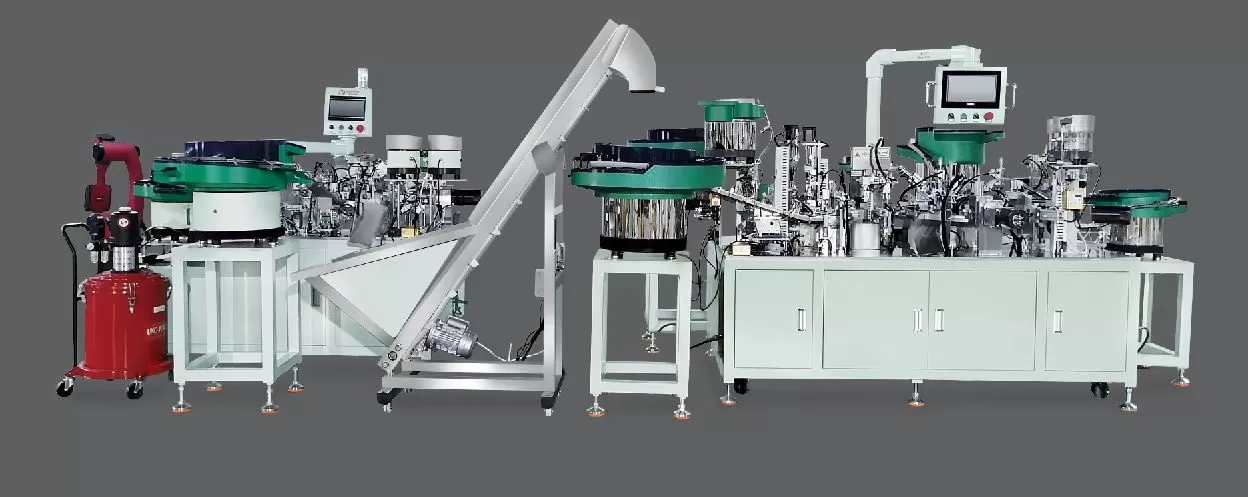
Waste isn’t just about materials—it also manifests as inefficiencies in production flow. Sanyhore doesn’t offer standalone machines; instead, they provide integrated solutions that connect processes seamlessly. For example, their hinge assembly machine can be paired with the telescopic slide assembly machine, creating a continuous production line. This integration eliminates the need for manual handling between stages, reducing the risk of part damage and the time spent moving components. By minimizing these transition steps, Sanyhore’s systems reduce overall production time, allowing manufacturers to produce more units with the same resources and thus lower per-unit waste.
Beyond Waste Reduction: The Ripple Effects on Profitability
While reducing waste is the primary benefit, Sanyhore’s machines deliver broader value. Lower material costs directly improve profit margins, but there are secondary gains too. With fewer defects, manufacturers can reduce inventory holding costs for replacement parts. Additionally, the sustainability aspect—lower energy use and reduced scrap—aligns with growing market demands for eco-friendly production, enhancing brand reputation. For manufacturers looking to scale or meet tighter deadlines, the efficiency gains from Sanyhore’s machines mean they can take on more orders without increasing operational costs, further solidifying their competitive edge.
For manufacturers ready to transform their drawer slide production, Sanyhore Machine offers the expertise and machinery to cut waste, boost efficiency, and improve bottom lines. As a professional producer of hinge assembly machines, telescopic drawer slide assembly machines, and roll forming machines, we understand the unique challenges of this industry. To learn more about how our solutions can reduce your waste and elevate your production, contact our sales manager at +86 13425506550 or email info@sanyhore.com today.


