

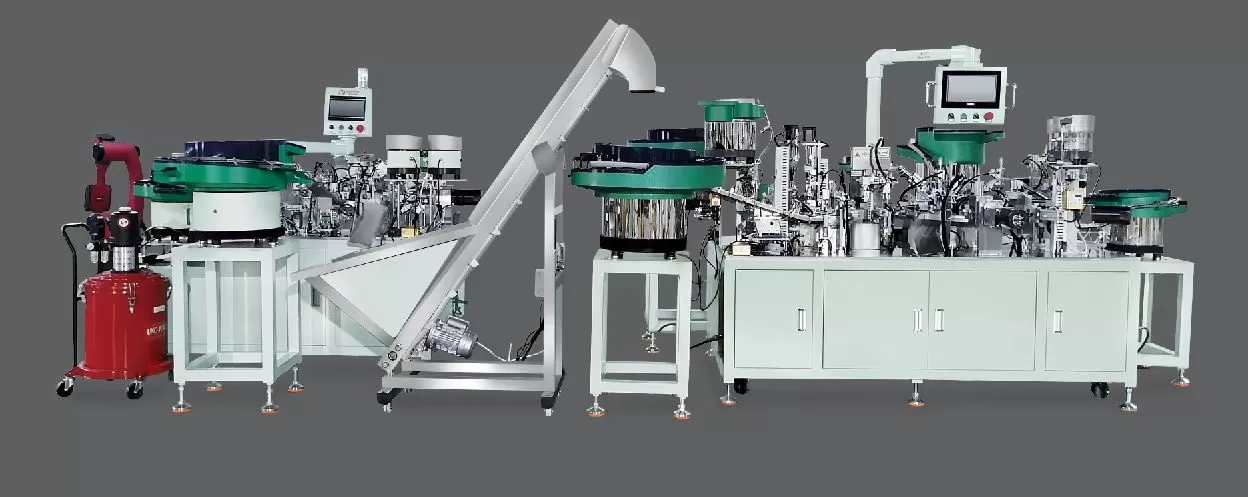
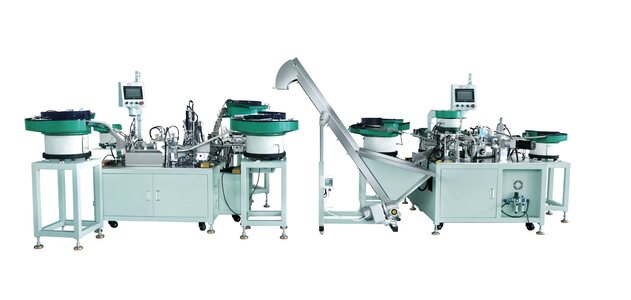
Regular maintenance is a cornerstone of maximizing the lifespan and efficiency of any automated production equipment, and Sanyhore’s Fully Automatic hinge assembly machine is no exception. A structured routine maintenance schedule not only prevents unexpected downtime but also ensures consistent performance, reduces repair costs, and maintains the precision required for high-quality hinge assembly. As a professional manufacturer of hinge assembly machines, telescopic drawer slide assembly machines, and roll forming machines, Sanyhore emphasizes proactive maintenance to keep your equipment operating at its best. Below is a detailed breakdown of the routine maintenance steps you should follow.
1. Daily Inspection and Basic Care
The first line of defense in maintenance is daily checks, which take 15–20 minutes and focus on identifying minor issues before they escalate. Start by visually inspecting the machine’s exterior for debris, oil leaks, or loose components. Pay special attention to the conveyor belt, where hinges and components are transported—ensure there are no jams or foreign objects that could damage parts.
Next, verify the lubrication system: check oil levels in the gearboxes, chain drives, and pivot points. Insufficient lubrication can lead to premature wear and increased friction, directly impacting assembly accuracy. Additionally, confirm that all electrical connections are secure, with no frayed wires or loose terminals. A quick press of control panel buttons to activate the machine and listen for any unusual noises (e.g., grinding, squeaking) can reveal early signs of misalignment or mechanical stress.
2. Weekly Maintenance Procedures
Weekly maintenance deepens the cleaning and inspection process, taking 30–45 minutes. Begin by powering down the machine and disconnecting the main power source for safety. Remove the outer covers to access internal components, such as the feeding mechanism, grippers, and assembly tools. Use compressed air to blow away dust, metal shavings, or debris from critical areas—focus on the slide rails, bearing blocks, and sensor lenses, as these can accumulate dirt and affect precision.
Next, check for wear in key parts: examine the gripper fingers for deformation or excessive play, and the die sets for scoring or damage. Replace any visibly worn components immediately, as even minor wear can lead to misaligned hinge assembly. For the lubrication system, replace oil filters if they appear clogged, and top up hydraulic fluid to the recommended level. Finally, test the machine’s safety interlocks—ensure all guards, emergency stop buttons, and light curtains function correctly, as these are vital for operator safety.
3. Monthly Component Overhaul
Monthly maintenance involves more intensive checks and part replacements, requiring 1–1.5 hours. Start by reviewing the maintenance log from the past month to identify recurring issues, such as frequent sensor malfunctions or alignment problems. For the mechanical system, inspect the drive chains and sprockets for stretch or missing pins—replace any chain with more than 3% elongation, as this can cause inaccuracies in part positioning.
Calibration is critical during monthly maintenance. Use a precision tool to adjust the X-Y-Z axes of the assembly head, ensuring that the hinge placement matches the required tolerances (typically ±0.1mm for most hinge types). Test the calibration by running a sample batch of hinges and measuring the gap between the hinge leaf and body, adjusting the alignment screws until the results meet specifications. Additionally, clean and reapply high-temperature grease to all pivot points and bearings, using the manufacturer-recommended type to avoid compatibility issues.
4. Quarterly Performance Optimization
Quarterly maintenance focuses on optimizing the machine’s performance and addressing long-term wear, taking 2–3 hours. This includes a comprehensive system check, where you’ll verify the accuracy of the vision system (if equipped) by testing image recognition of hinge types. If the vision system fails to detect hinges consistently, clean the camera lens and adjust the lighting settings to improve clarity.
For the electrical system, check the PLC program for outdated parameters—update firmware as needed to ensure compatibility with new hinge designs or production requirements. Inspect the pneumatics, including cylinders and valves, for leaks by applying a soapy water solution to connections; bubbles indicate air leaks, which should be sealed immediately to prevent pressure loss. Finally, perform a load test by running the machine at 110% of its rated capacity for 30 minutes, monitoring for overheating or excessive vibration, which may signal the need for component upgrades.
5. Documentation and Long-Term Planning
A well-maintained machine relies on accurate records, which is why Sanyhore recommends maintaining a digital or physical logbook. This log should track: date and time of maintenance, tasks performed (cleaning, lubrication, adjustments), parts replaced, calibration results, and any issues encountered. Review this log quarterly to identify trends, such as frequent bearing replacements, which may indicate the need for higher-quality parts or a revision in the maintenance schedule.
As a manufacturer of hinge assembly machines, Sanyhore also offers technical support to help you refine your maintenance routine. Whether you need guidance on part replacements, software updates, or troubleshooting, our team is here to assist. For inquiries about our fully automatic hinge assembly machines, telescopic drawer slide assembly machines, or roll forming machines, or to schedule a consultation, contact us directly.
+86 13425506550
info@sanyhore.com
Sanyhore: Your trusted partner for precision assembly equipment and reliable maintenance support.


