

Introduction: The Significance of Automated Hinge Assembly in Modern Production
In today’s fast-paced manufacturing landscape, the demand for efficient, precise, and cost-effective production processes has never been higher. Hinge assembly, a critical step in industries like furniture, automotive, and electronics, has traditionally been labor-intensive, prone to human error, and slow. This has led to the rise of automatic hinge assembly machines, which promise to transform production lines by streamlining operations. Among these, Sanyhore’s Fully Automatic Hinge Assembly Machine stands out as a key offering from a manufacturer with decades of expertise in assembly technology. This article delves into the pros and cons of this machine to help potential buyers make informed decisions, while highlighting why Sanyhore is a trusted name in the field of hinge and slide assembly solutions.
Core Features: What Sets Sanyhore’s Machine Apart
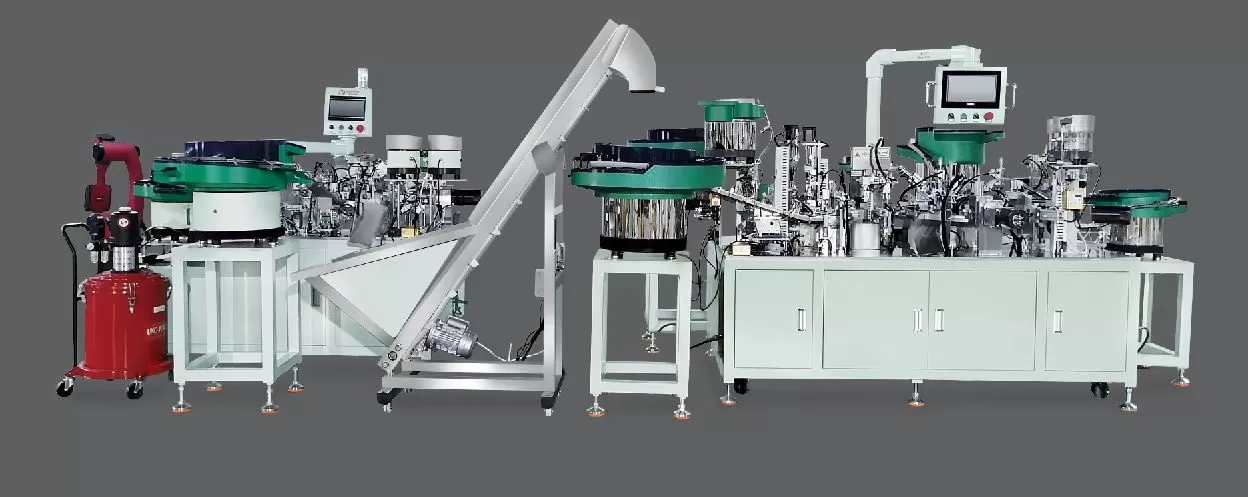
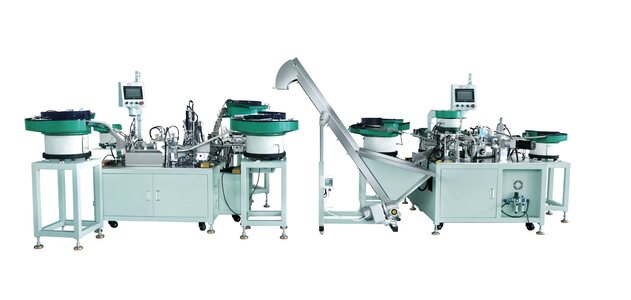
Before evaluating its pros and cons, it’s essential to understand the core capabilities of Sanyhore’s fully automatic hinge assembly machine. Equipped with advanced servo motor systems and a user-friendly PLC control interface, the machine is designed to handle various hinge types, including butt hinges, continuous hinges, and decorative hinges, with minimal manual intervention. Its modular design allows for quick changeovers, reducing downtime during product transitions. Additionally, the machine integrates vision inspection systems to ensure each assembled hinge meets strict dimensional and quality standards, eliminating the need for post-assembly manual checks. These technical features lay the foundation for its performance, but they also come with trade-offs that are worth examining.
Advantage 1: Unmatched Efficiency and Productivity Gains
One of the most compelling benefits of Sanyhore’s machine is its ability to significantly boost production efficiency. Unlike manual assembly, which typically produces 50-100 hinges per hour, this automatic system can achieve output rates of 300-500 hinges per hour, depending on hinge complexity. This 300-500% increase in productivity directly translates to lower lead times and higher throughput, making it ideal for large-scale production runs. For manufacturers struggling with bottlenecks in their hinge assembly process, the machine’s high-speed operation is a game-changer, enabling them to meet tight customer deadlines consistently.
Advantage 2: Superior Precision and Quality Consistency
Human assembly is inherently limited by fatigue, focus, and manual dexterity, leading to inconsistencies in hinge quality. Sanyhore’s machine addresses this by using pre-programmed torque settings, precise positioning mechanisms, and integrated sensors that ensure each hinge is assembled with uniform force and alignment. This results in hinges with consistent dimensions, smooth operation, and reliable performance—critical factors for industries where product durability and functionality are non-negotiable. For example, in furniture manufacturing, a misaligned hinge can lead to premature wear or door sagging, which the machine’s precision helps prevent.
Advantage 3: Reduced Labor Costs and Operational Risks
By automating hinge assembly, manufacturers can reduce their reliance on manual labor, lowering long-term operational costs. Sanyhore’s machine typically requires only 1-2 operators to load/unload materials and monitor the process, compared to 3-4 workers needed for manual assembly. This not only cuts labor expenses but also mitigates risks associated with workplace injuries, such as repetitive strain or accidents, creating a safer working environment. Additionally, the machine’s low error rate minimizes material waste, as fewer defective hinges mean less rework and lower scrap costs over time.
Advantage 4: Versatility and Adaptability to Diverse Hinge Types
Sanyhore has designed its machine to be highly versatile, capable of handling a wide range of hinge sizes, materials, and configurations without extensive retooling. Whether producing small residential hinges or large industrial-grade hinges, the machine’s adjustable tooling and customizable parameters allow for quick setup changes. This adaptability is particularly valuable for manufacturers with diverse product lines, as it reduces the need for multiple machines and simplifies production planning. For instance, a company producing both furniture and automotive hinges can seamlessly switch between product types using the same Sanyhore system.
Potential Limitations: Considerations for Prospective Buyers
While the machine offers numerous benefits, it’s important to acknowledge its limitations. The most notable is the initial investment cost. Fully automatic hinge assembly machines require significant upfront capital, including the machine itself, installation, and training. Smaller manufacturers or those with limited production volumes may find this barrier difficult to overcome, even if long-term savings are substantial. Additionally, the machine’s technical complexity means it may require specialized maintenance and technical support, which could add to operational costs if the manufacturer lacks in-house expertise.
Another limitation is the learning curve for operators. Though the PLC interface is user-friendly, staff will need time to familiarize themselves with programming, troubleshooting, and optimizing the machine’s performance. This initial training period can temporarily slow down production as the team gains proficiency. Finally, while the machine is designed for versatility, extreme customization—such as handling highly irregular hinge shapes—may require additional tooling or adjustments, which can extend setup times and limit flexibility in rare cases.
Technical Specifications and Industry Applications
Sanyhore’s fully automatic hinge assembly machine boasts impressive technical specs, including a maximum assembly speed of 450 hinges per hour, a positional accuracy of ±0.02mm, and a power consumption of 5.5kW. These features make it suitable for a broad range of industries, from furniture and cabinetry to automotive and white goods. In furniture production, it ensures consistent quality for hinges used in sofas, dressers, and kitchen cabinets. In automotive manufacturing, it meets the strict tolerances required for door and trunk hinges, contributing to vehicle safety and durability.
Why Choose Sanyhore as Your Hinge Assembly Machine Partner
Beyond the machine itself, Sanyhore’s reputation as a professional hinge assembly machine manufacturer sets it apart. As a company with years of experience in designing and producing not just hinge assembly machines but also telescopic drawer slide assembly machines and roll forming machines, Sanyhore offers integrated solutions for all your production needs. This expertise translates into reliable after-sales support, including technical guidance, spare parts supply, and maintenance services, ensuring your machine operates at peak efficiency for years.
Conclusion: Balancing Pros and Cons for Your Production Goals
Sanyhore’s Fully Automatic Hinge Assembly Machine presents a compelling option for manufacturers seeking to enhance efficiency, quality, and safety in hinge production. Its strengths—high productivity, precision, labor savings, and versatility—make it a strong investment for large-scale operations, while its limitations, such as initial cost and learning curve, should be weighed against long-term benefits. As a trusted manufacturer, Sanyhore is committed to helping you find the right solution, whether you need a hinge assembly machine, a telescopic drawer slide assembly machine, or a roll forming machine.
Ready to transform your hinge production process? Contact our sales manager today at +86 13425506550 or email info@sanyhore.com to discuss your specific requirements and learn how Sanyhore’s automatic hinge assembly machine can drive your production forward.


