

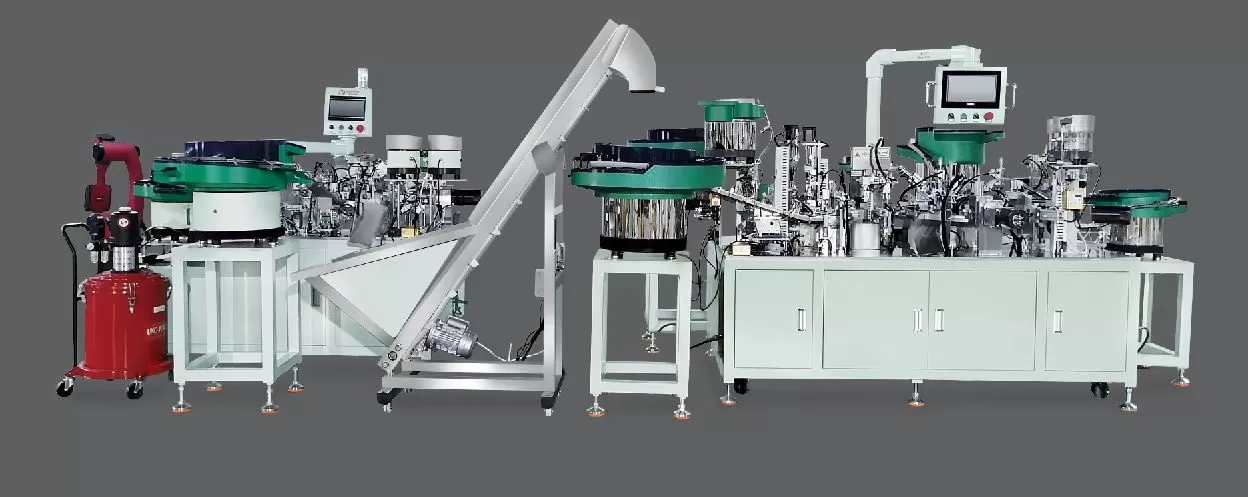
As any industrial equipment operator knows, maintaining machinery is critical to ensuring long-term reliability and performance—especially for high-precision systems like the Sanyhore Fully Automatic hinge assembly machine. This advanced equipment, designed to streamline hinge production, requires consistent care to avoid premature wear, minimize downtime, and maximize its operational lifespan. Below are practical maintenance tips tailored to keep your Sanyhore hinge assembly machine running smoothly for years to come.
1. Daily Inspection and Cleaning: The Foundation of Longevity
Start each workday with a quick, systematic inspection of key components. Begin by checking for loose screws, misaligned parts, or foreign debris in critical areas like the conveyor belt, clamping mechanisms, and sensor lenses. Dirt and dust buildup can disrupt movement and cause friction, leading to unnecessary wear over time. Use compressed air to blow away dust from crevices, and gently wipe down surfaces with a lint-free cloth dampened with mild industrial cleaner. For the conveyor tracks, inspect for any bent or worn rollers—these can cause misalignment in hinge placement and strain on the motor. Regular cleaning not only prevents damage but also ensures the machine operates with the precision Sanyhore is known for.
2. Lubrication: The Lifeline of Moving Parts
Proper lubrication is non-negotiable for the Sanyhore hinge assembly machine. Over 60% of mechanical failures stem from inadequate or improper lubrication, so adhering to the manufacturer’s guidelines is key. Daily, check oil and grease levels in the lubrication system—typically found near the motor, gearboxes, and linear guides. For oil-based systems, replace or top up the oil monthly, using only the viscosity grade recommended by Sanyhore (e.g., ISO VG 46 for gearboxes). For grease fittings, apply high-performance lithium-based grease every 200 operating hours, ensuring full penetration into pivot points and bushings. Avoid over-lubrication, as excess grease can attract more dirt and cause seals to leak. A well-lubricated machine moves with less resistance, reducing energy consumption and extending the life of critical components.
3. Key Component Inspection: Catch Issues Before They Escalate
The Sanyhore hinge assembly machine relies on several high-stress components to function, including guide rails, bearings, and气动元件 (pneumatic components). Inspect these parts at least weekly. For guide rails, check for signs of wear like scoring or pitting—replace rails immediately if they show significant damage, as misaligned rails can lead to uneven hinge placement and motor overloading. Bearings, especially those supporting the main drive shaft, should be checked for play or unusual noise; if either is detected, replace the bearing to prevent further damage to the motor or gearbox. Pneumatic cylinders and valves are also critical: verify that seals are intact, hoses are not cracked, and pressure regulators maintain consistent air flow. A quick visual check and basic functionality test (e.g., listening for air leaks) can catch minor issues before they turn into costly repairs.
4. Adhere to Standard Operating Procedures (SOPs)
Even the most well-maintained machine can suffer damage if operated incorrectly. Ensure all operators follow Sanyhore’s SOPs, which include proper loading techniques, correct material placement, and avoiding overloading the machine. Overloading—whether with too many hinges at once or excessively heavy components—can strain the motor, warp clamping fixtures, or misalign the assembly mechanism. Additionally, never bypass safety interlocks, as these prevent accidental operation and protect both the machine and operators. Provide regular training for new staff, and reinforce SOPs with visual reminders near the machine. A consistent, trained team reduces human error, the single largest cause of preventable machine damage.
5. Regular Calibration: Maintain Precision for Consistent Output
Over time, vibration, thermal expansion, or minor impacts can throw off the Sanyhore hinge assembly machine’s calibration, leading to inconsistent hinge dimensions and reduced production quality. Schedule monthly full system calibrations, focusing on critical alignment points: the position of the clamping jaws, the accuracy of the positioning sensor, and the timing of the assembly mechanism. Use Sanyhore-recommended calibration tools (e.g., dial indicators or laser alignment tools) and follow the calibration checklist in the user manual. For example, if the hinge insertion depth varies by more than 0.1mm, adjust the positioning sensor’s sensitivity. Proper calibration ensures the machine produces hinges within specifications, minimizes waste, and keeps the equipment running at peak efficiency.
6. Document and Address Small Issues Early
Even with preventive maintenance, small issues can arise. Implement a simple maintenance log to record daily checks, lubrication intervals, and any problems encountered. Note when and where a异响 (unusual noise) was heard, or when a component felt slightly loose—these details help identify patterns and prevent recurrence. For example, if a specific bearing overheats during operation, it may signal a misalignment or lack of lubrication in that area. Addressing small issues promptly avoids escalation: a loose screw today can become a broken part tomorrow, leading to costly downtime. By staying proactive and documenting, you turn challenges into opportunities to refine your maintenance routine and keep the machine in top condition.
Conclusion: Invest in Maintenance, Invest in Longevity
Your Sanyhore Fully Automatic Hinge Assembly Machine is a significant investment, and proper maintenance is the key to maximizing its return on investment. By following these tips—from daily cleaning to regular calibration—you can extend its lifespan, reduce repair costs, and ensure consistent, high-quality production. For questions about maintenance, spare parts, or optimizing your machine’s performance, contact our team at +86 13425506550 or info@sanyhore.com. At Sanyhore, we’re committed to supporting your success—because a well-maintained machine is a profitable machine.


