

Introduction:
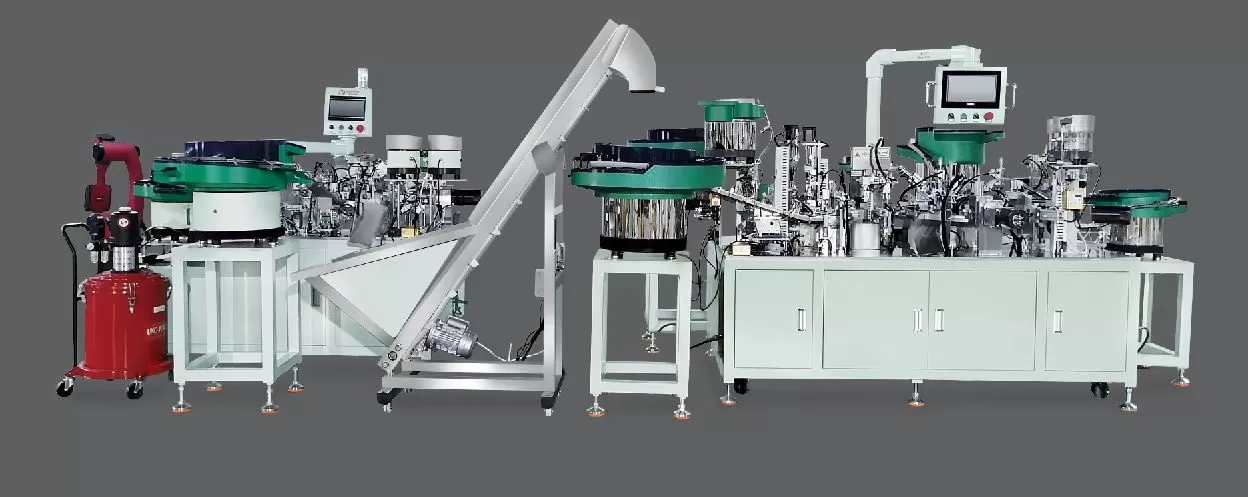
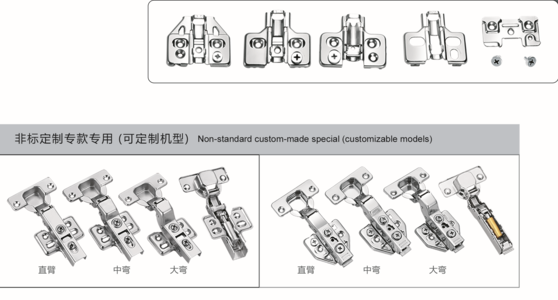
Maintaining the performance and longevity of industrial machinery is critical for operational efficiency, and Sanyhore’s Fully Automatic hinge assembly machine is no exception. As a core component in furniture, cabinetry, and automotive manufacturing, this equipment relies on precise cleaning and regular care to avoid downtime, reduce repair costs, and ensure consistent production quality. This guide outlines professional cleaning and maintenance practices tailored specifically to Sanyhore’s hinge assembly machines, helping you maximize their lifespan while preserving their precision engineering.
Cleaning Fundamentals: Understanding Key Components and Cleaning Principles
Before diving into specific steps, it’s essential to recognize the critical components of Sanyhore’s automatic hinge assembly machine. These include precision guide rails, tooling fixtures, conveyor systems, and electrical control units. Each part has unique cleaning requirements: guide rails, for instance, require debris-free surfaces to maintain alignment, while tooling fixtures need thorough cleaning to prevent residue buildup from affecting hinge placement accuracy. Electrical components, on the other hand, demand non-conductive cleaning agents to avoid damage. Always start with a visual inspection to identify areas with heavy dust, oil, or foreign particles before selecting appropriate cleaning methods.
Step-by-Step Cleaning Protocol: From Exterior to Internal Systems
To ensure a comprehensive clean, follow this structured approach. First, power down the machine and disconnect it from the power source to prevent accidents. For the exterior, use a soft, lint-free cloth dampened with a mild, water-based cleaner to wipe down the frame, control panel, and surrounding surfaces. Avoid abrasive materials that could scratch the finish. For internal parts like guide rails and fixtures, use compressed air blowers to dislodge loose dust and debris, followed by a specialized non-alcoholic cleaner applied with a brush to reach tight crevices. Pay special attention to areas around the hinge insertion mechanism, where metal shavings or lubricant residue can disrupt functionality. After cleaning, thoroughly dry all components with a dry cloth to prevent moisture-related corrosion.
Preventive Maintenance Practices: Proactive Checks to Avoid Failures
Preventive maintenance is the cornerstone of keeping your Sanyhore hinge assembly machine in peak condition. Daily checks should include verifying that all moving parts are securely fastened, checking lubrication levels in gears and bearings, and ensuring the conveyor belt runs smoothly without misalignment. Weekly, perform a more detailed inspection: clean the tooling fixtures to remove any leftover adhesive or metal fragments, check for signs of wear on O-rings and seals, and test the machine’s emergency stop function to confirm it works correctly. Monthly, replace worn lubricants with Sanyhore-recommended high-viscosity oils to prevent component friction and heat buildup. Document all maintenance activities in a logbook to track performance trends and identify potential issues early.
Critical Parts Inspection: Identifying Wear and Tear Early
Certain parts of the hinge assembly machine are more prone to wear than others, making them priority for regular inspection. The precision guide rails, for example, can develop micro-scratches over time, reducing their ability to maintain alignment. Use a feeler gauge to check for gaps between rail surfaces; if gaps exceed 0.02mm, the rails may need professional resurfacing. The tooling fixtures, which hold hinges during assembly, often experience high stress from repeated insertion. Inspect for cracks, bent arms, or loose clamping mechanisms—these can lead to misaligned hinge placement and defective products. Additionally, check the electrical contacts in the control panel for corrosion or oxidation, as these can cause intermittent operation. Promptly replacing worn parts with genuine Sanyhore components ensures the machine’s original performance isn’t compromised.
Troubleshooting: Addressing Common Operational Issues
Even with proper care, hinge assembly machines may encounter operational issues. If the machine jams during hinge feeding, first check the conveyor system for misaligned guides or debris buildup—common culprits. For inconsistent hinge placement, verify that the tooling fixtures are clean and properly seated, and that the alignment sensors are calibrated. Unusual noises during operation often signal insufficient lubrication or loose components; stop the machine immediately, check the relevant parts, and reapply lubricant if needed. If problems persist despite these checks, contact Sanyhore’s technical support team for guidance, leveraging their expertise in maintaining their own equipment.
Final Recommendations: Extending Machine Lifespan
Consistency is key to long-term performance. Train all operators to follow the cleaning and maintenance steps outlined here, as human error is a leading cause of premature machine failure. Store the machine in a clean, dry environment to prevent dust and moisture damage, especially if idle for extended periods. For high-volume production lines, consider scheduling a quarterly deep cleaning by Sanyhore-certified technicians to conduct thorough inspections and adjustments. By integrating these practices, you’ll not only extend the lifespan of your Sanyhore hinge assembly machine but also ensure it continues to deliver reliable, high-quality hinge assembly results for years to come.
Contact Sanyhore: Your Trusted Hinge Assembly Machine Partner
As a professional manufacturer specializing in fully automatic hinge assembly machines, telescopic drawer slide assembly machines, and roll forming machines, Sanyhore is committed to supporting your production needs. For bulk orders, technical inquiries, or to learn more about our comprehensive range of industrial machinery, reach out to our sales manager directly at +86 13425506550 or email info@sanyhore.com. Our team is ready to provide personalized solutions to enhance your manufacturing efficiency.


