

.png)
TDK (聊天区格式)
标题:Essential Safety Guidelines for Operating Sanyhore Fully Automatic Hinge Assemblers
关键词:Sanyhore Hinge Assembler, Hinge Assembly Safety, Automatic Hinge Machine, Industrial Safety Tips, Hinge Production Safety
描述:Ensure safe and efficient operation of Sanyhore fully automatic hinge assemblers with these critical safety tips. Protect workers, prevent accidents, and enhance productivity in hinge manufacturing processes.
SEO关键词
Sanyhore Hinge Assembler, Hinge Assembly Safety, Automatic Hinge Machine, Industrial Safety Protocols, Hinge Production Guidelines
SEO描述
Ensure safe operation of Sanyhore fully automatic hinge assemblers with these essential safety tips. Protect workers, prevent accidents, and optimize productivity in hinge assembly processes.
作图关键词
Hinge Assembler Safety, Automatic Hinge Machine, Industrial Safety Protocols, Hinge Production Safety, Machine Operation Guidelines
文章内容
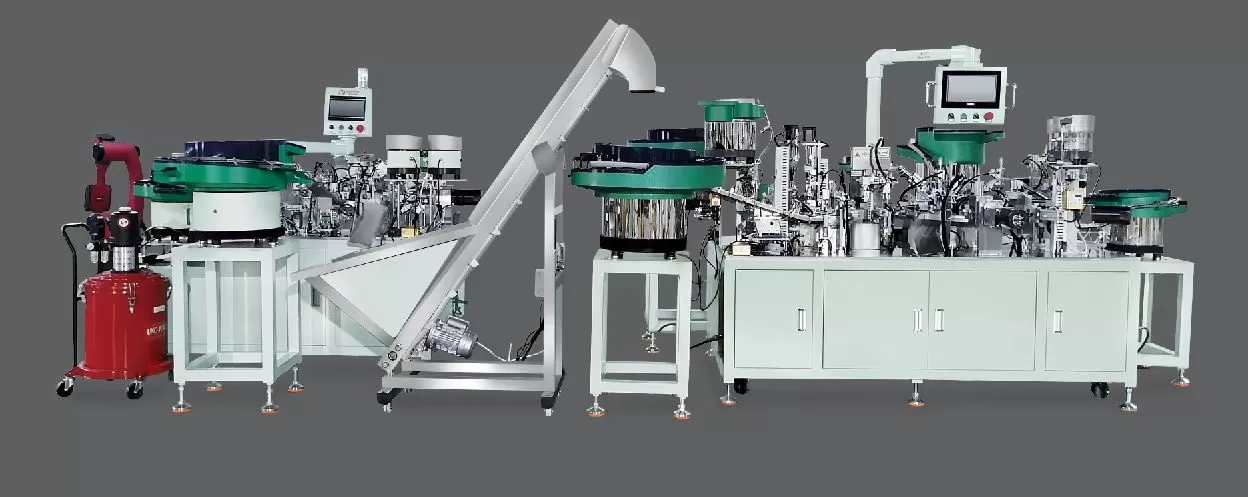
Operating Sanyhore’s fully automatic hinge assemblers is a key step in modern hinge manufacturing, offering efficiency and precision. However, prioritizing safety during operation is non-negotiable to protect workers, prevent equipment damage, and maintain production continuity. This guide outlines critical safety tips to ensure secure and reliable use of Sanyhore’s automatic hinge assembly machines.
#Machine Pre-Operation Checks
Before powering on the Sanyhore fully automatic hinge assembler, conduct a thorough pre-operation inspection. Start by verifying that all safety guards—such as the frame enclosures and component barriers—are properly installed and latched. Loose or missing guards can expose operators to moving parts, leading to severe injury. Next, check for any visible signs of damage, including cracks in the machine body, frayed cables, or misaligned parts. Ensure all tools and fixtures required for assembly (e.g., grippers, dies) are securely mounted and calibrated to Sanyhore’s specifications. A quick visual scan and basic functionality test (e.g., manually activating the feed system) will confirm the machine is ready for operation.
#Power Supply and Electrical Safety
Sanyhore’s automatic hinge assemblers are designed with robust electrical systems, but improper power handling remains a leading safety risk. Always confirm the input voltage matches the machine’s requirements, as specified in the operator manual. Inspect the power cord and plug for damage, such as exposed wires or loose connections, before plugging in. Ensure the machine is grounded correctly to prevent electric shock—this is critical, especially in industrial environments with metalworking fluids or moisture. If using a three-phase power supply, verify phase rotation to avoid damaging the machine’s motor. Never bypass electrical safety features, such as circuit breakers or overload protectors, as this compromises both operator safety and machine reliability.
#Tool and Component Handling
Safe handling of tools and components is essential to prevent accidents during Sanyhore hinge assembly. Operators should wear appropriate personal protective equipment (PPE), including safety glasses, work gloves, and steel-toed boots, to shield against flying debris or mechanical hazards. When loading or changing tools (e.g., during production runs), always deactivate the machine by pressing the emergency stop button and locking the power switch. Avoid reaching into the machine’s work area while it is in operation—use tooling extensions or automated loading systems as directed by Sanyhore’s design. Never force components into place; allow the machine’s automated systems to align parts to prevent jams or sudden movements that could cause injury.
#Emergency Stop Procedures
In the event of an emergency, quick and correct use of the emergency stop (E-stop) system is vital. Locate the E-stop button—typically a red, mushroom-shaped button near the operator console or on the machine’s control panel—and ensure all team members know its exact position. When activated, the E-stop immediately cuts power to the machine, halting all moving parts. After stopping, never restart the machine without first identifying and resolving the issue that triggered the E-stop. Document emergencies and their resolutions in the machine’s logbook to track patterns and improve safety protocols. Sanyhore’s machines include dual E-stop features for redundancy, but operator awareness remains the first line of defense.
#Regular Maintenance and Inspections
Preventative maintenance is key to ensuring long-term safety and performance of Sanyhore fully automatic hinge assemblers. Develop a maintenance schedule that includes daily checks (e.g., lubricating moving parts, cleaning debris), weekly inspections (e.g., checking belt tension, fasteners), and monthly deep-dive assessments (e.g., inspecting gearboxes, sensors, and electrical components). Replace worn or damaged parts promptly—Sanyhore offers genuine replacement parts to maintain the machine’s safety standards. Keep the machine’s control panel and safety labels clean and legible, as faded or missing labels can lead to misoperation. A well-maintained machine not only reduces accident risks but also extends its lifespan and productivity.
#Operator Training and Awareness
Even with advanced safety features, human error remains a significant risk. Sanyhore recommends that all operators receive comprehensive training on the machine’s manual before starting work. This training should cover key topics: understanding safety guards, operating the control panel, handling emergencies, and recognizing potential hazards (e.g., misaligned parts, abnormal sounds). Conduct regular refresher sessions to reinforce best practices, especially after maintenance or when new operators join the team. Encourage open communication—if an operator notices something unusual (e.g., a strange vibration, unusual noise), immediately stop the machine and report it. A culture of awareness and accountability is critical to maintaining a safe work environment.
#Post-Operation Protocol
After completing a production run, follow Sanyhore’s post-operation procedures to ensure the machine and work area remain safe. First, deactivate the machine by pressing the E-stop and disconnecting the power source. Allow all moving parts to come to a complete stop before performing any cleanup or adjustments. Clean the machine’s work area, removing debris, excess lubricant, or leftover components, to prevent slips or trips. Tidy up tools and materials, storing them in designated areas. Finally, log the machine’s status, including any issues encountered during operation, in the maintenance logbook. This not only ensures traceability but also helps identify recurring problems for proactive solutions.
For more information on Sanyhore fully automatic hinge assemblers, or to optimize your team’s safety protocols, contact our sales manager at +86 13425506550 or email info@sanyhore.com. As a trusted manufacturer of hinge assembly machines, telescopic drawer slide assembly machines, and roll forming machines, we are committed to supporting your production needs with reliable, safe equipment.
Common SEO Questions for Sanyhore Hinge Assemblers
Q: What safety measures are essential for operating Sanyhore fully automatic hinge assemblers?
A: Essential safety measures include pre-operation checks, proper PPE use, adherence to power supply protocols, emergency stop training, and regular maintenance. Sanyhore’s machines integrate advanced safety features, but operator vigilance and training are critical. Contact us for a free safety audit at +86 13425506550.
Q: How often should Sanyhore hinge assembly machines undergo maintenance?
A: Daily pre-operation checks and weekly lubrication are recommended, with monthly deep inspections. Customized maintenance plans are available—our team at Sanyhore can help optimize your schedule to ensure long-term safety and performance. Email info@sanyhore.com for details.
Q: Are Sanyhore fully automatic hinge assemblers suitable for small and large production facilities?
A: Yes, Sanyhore’s machines are designed for flexibility, from small-scale hinge production to high-volume industrial operations. Our automatic hinge assemblers enhance efficiency while prioritizing safety, making them ideal for various manufacturing setups. Call +86 13425506550 to discuss your needs.
Q: Can Sanyhore provide training for staff operating hinge assembly machines?
A: Absolutely. Sanyhore offers comprehensive training programs, including hands-on sessions and documentation, to ensure your team masters safe operation. Contact our sales manager for tailored training solutions at +86 13425506550.
Q: What makes Sanyhore hinge assemblers stand out in industrial safety?
A: Sanyhore prioritizes safety with features like dual E-stops, overload protection, and compliance with international standards. Our machines are engineered to minimize risks, and we provide ongoing support to keep your operations secure. Email info@sanyhore.com to learn more.


