

.png)
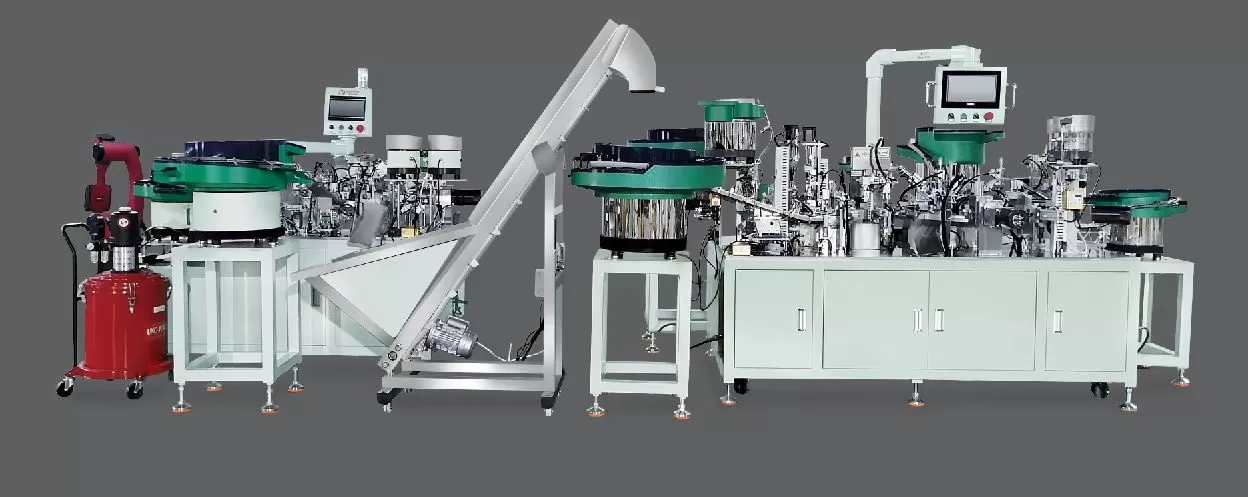
In the competitive landscape of automatic assembly machine manufacturing, ensuring consistent quality is paramount to meeting industry standards and client expectations. For Jieyang-based hinge automatic assembly machines, a structured quality control process management system forms the backbone of reliable production. This article explores the key components of such a system, highlighting how Sanyhore, a leading manufacturer of hinge assembly machines, telescopic drawer slide assembly machines, and roll forming machines, integrates rigorous quality checks into every stage of production. By prioritizing precision, traceability, and continuous improvement, Sanyhore ensures that its hinge automatic assembly machines deliver optimal performance and durability, making them a trusted choice for global clients.
Design Phase Quality Control: The foundation of quality begins long before production starts. Sanyhore’s design team implements a comprehensive Design for Manufacturability (DFM) and Design Failure Mode and Effects Analysis (DFMEA) process. This involves evaluating material compatibility, component interactions, and assembly feasibility to identify potential defects early. By collaborating closely with engineers and end-users, the team refines designs to minimize complexity, reduce part count, and enhance ease of inspection. For hinge automatic assembly machines, this phase includes testing design iterations with virtual simulations to validate structural integrity, ensuring that the final machine can consistently produce hinges within tight tolerances. This proactive approach not only streamlines production but also lays the groundwork for a robust quality control framework.
Component Inspection Protocol: Before any machine parts enter assembly, Sanyhore maintains a strict component inspection protocol. A dedicated quality control team examines incoming materials against predefined standards, focusing on critical parameters such as material hardness, dimensional accuracy, and surface finish. Advanced metrology tools, including coordinate measuring machines (CMMs) and optical comparators, are used to verify part specifications. For example, hinge components undergo load testing to ensure they meet minimum strength requirements, while slide assembly machine parts are checked for smooth movement and resistance to deformation. All inspection data is logged in a centralized database, enabling full traceability of components and quick identification of suppliers with recurring issues. This rigorous screening prevents substandard parts from entering the production line, reducing defects at the source.
In-Process Monitoring: During production, real-time monitoring is essential to catch deviations early. Sanyhore equips its hinge automatic assembly machines with integrated sensors and machine vision systems. These systems continuously track parameters like assembly speed, torque application, and alignment accuracy, sending alerts to operators if thresholds are exceeded. For instance, vision cameras inspect hinge pin insertion depth and alignment, while force sensors monitor the pressure applied during crimping to ensure consistent joint strength. Additionally, operators conduct periodic audits, verifying that tooling is calibrated, fixtures are secure, and assembly steps adhere to standard operating procedures (SOPs). This dual layer of automated and manual checks ensures that production remains on track, with issues resolved before they escalate into larger problems.
Final Product Testing: Once assembly is complete, each hinge automatic assembly machine undergoes a battery of final tests to validate performance and reliability. These tests include functional testing, where the machine is run through hundreds of simulated hinge assembly cycles to check for jamming, misalignment, or wear. Load capacity testing measures the maximum stress the machine can handle, ensuring it meets or exceeds client requirements. Environmental testing subjects the machine to extreme conditions, such as temperature fluctuations and humidity, to assess durability in real-world applications. A final inspection verifies that all safety features, controls, and documentation are in place. Only machines passing all these tests receive the Sanyhore quality seal, confirming they are ready for delivery.
Continuous Improvement System: Quality control at Sanyhore does not end with production. The company employs a data-driven continuous improvement system, leveraging insights from customer feedback, machine performance logs, and internal audits. Regular quality reviews analyze failure patterns, identifying opportunities to refine processes. For example, if a specific hinge design shows recurring alignment issues, the design team revisits the DFM phase to adjust tooling. Similarly, machine learning algorithms analyze production data to predict potential tool wear, enabling proactive maintenance. By fostering a culture of accountability and innovation, Sanyhore ensures that its quality control processes evolve alongside industry advancements, maintaining a competitive edge in the market.
For inquiries about our hinge assembly machines, telescopic drawer slide assembly machines, or roll forming machines, contact Sales Manager Mr. Li at +86 13425506550 or email info@sanyhore.com. Partner with Sanyhore to ensure your production lines benefit from robust quality control and reliable automatic assembly solutions.


