
Data has emerged as the cornerstone of modern manufacturing, redefining how industries deliver consistent, high-performance products. For drawer slide manufacturing, integrating performance tracking into production workflows isn’t just a best practice—it’s a strategic imperative. By leveraging real-time data, manufacturers can move beyond traditional guesswork to make informed decisions, optimize every stage of production, and ensure final products meet the rigorous demands of today’s market. This shift from manual oversight to data-informed processes is reshaping the industry, making performance tracking a key differentiator for competitive advantage.
#1. The Role of Real-Time Data in Slide Manufacturing
In the fast-paced landscape of drawer slide production, delays or errors in one stage can ripple through the entire supply chain, impacting quality and customer satisfaction. Real-time data tracking addresses this by providing instant visibility into production metrics. Sensors embedded in machinery monitor variables like material thickness, assembly precision, and machine temperature, while production logs capture cycle times and output rates. This continuous flow of information allows manufacturers to identify bottlenecks, adjust parameters, and prevent defects before they escalate, ensuring each slide meets strict performance benchmarks.
#2. Key Metrics Tracked for Drawer Slide Performance
Not all data is equal; for drawer slides, specific metrics drive meaningful insights. Critical performance indicators include load capacity under dynamic stress, durability (measured through fatigue testing), smoothness of movement, and dimensional accuracy. By tracking these metrics in real time, manufacturers can compare production runs to industry standards, validate design iterations, and even tailor slides to meet niche customer requirements—such as heavy-duty slides for commercial furniture or ultra-slim designs for compact kitchens.
#3. Integrating IoT and Analytics for Predictive Insights
The next frontier in data-informed manufacturing lies in predictive analytics. By combining IoT sensors with machine learning algorithms, producers can forecast potential issues before they occur. For example, a sudden spike in friction during slide movement might signal a misaligned component; predictive models can flag this trend early, prompting maintenance or adjustments. This proactive approach reduces downtime, cuts waste, and ensures that every slide leaving the production line meets or exceeds quality expectations.
#4. Enhancing Product Quality Through Data-Driven Adjustments
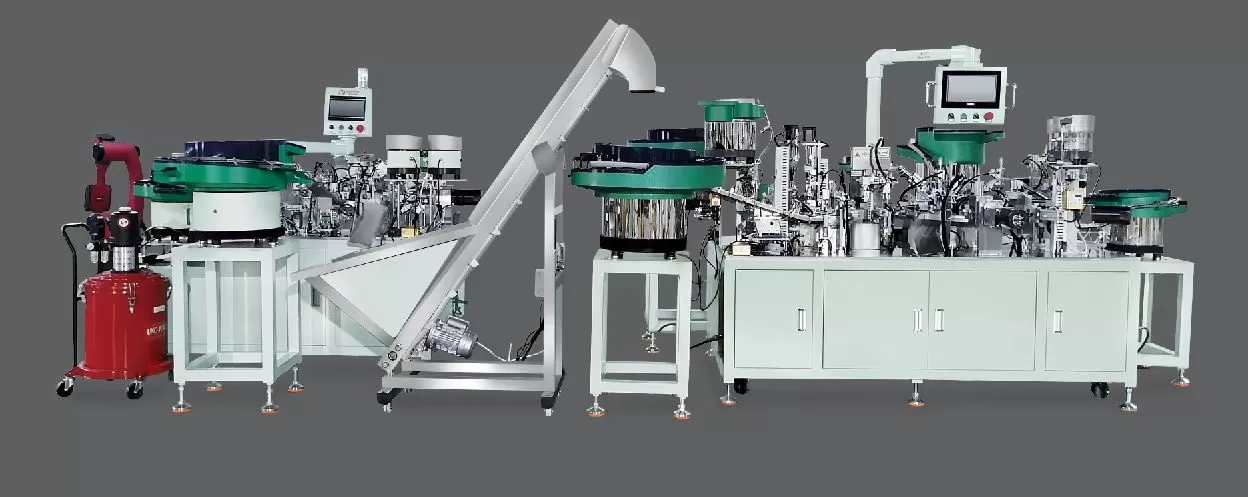
Performance tracking doesn’t just monitor—it drives action. When data reveals that a specific batch of slides has lower load capacity than target, manufacturers can adjust raw material suppliers, tweak assembly parameters, or refine tooling. Sanyhore, a leader in drawer slide manufacturing equipment, equips producers with machines that seamlessly integrate with data systems, enabling quick, data-backed adjustments. Our telescopic drawer slide assembly machines, for instance, use adaptive controls that learn from production data to optimize each assembly step, ensuring consistency across runs.
#5. Meeting Market Demands: Data-Informed Design Iteration
Modern consumers demand more than just functional drawer slides—they want reliability, sustainability, and customization. Performance tracking bridges the gap between customer needs and production capabilities by translating market trends into actionable design insights. If data shows a rising demand for eco-friendly materials, manufacturers can adjust sourcing; if customers prioritize quiet operation, engineers can refine lubrication protocols. This iterative, data-driven design process ensures that Sanyhore’s clients stay ahead of market shifts, delivering products that resonate with today’s discerning buyers.
#6. Partner with Sanyhore for Advanced Manufacturing Solutions
At Sanyhore, we specialize in equipping drawer slide manufacturers with cutting-edge machinery that powers data-informed production. Our range includes hinge assembly machines, telescopic drawer slide assembly machines, and roll forming machines—all designed to integrate seamlessly with performance tracking systems. By combining our hardware with your production data, you gain the tools to optimize efficiency, enhance quality, and scale operations. Ready to transform your manufacturing with data-driven excellence? Contact us today at +86 13425506550 or info@sanyhore.com to discuss how we can tailor solutions to your needs.
同类型网站SEO常见问题 & Answers:
1. Q: How does data-informed manufacturing improve drawer slide reliability?
A: Real-time tracking of metrics like load capacity and durability ensures consistent quality, while predictive analytics help identify and resolve issues early, reducing defects by up to 30%.
2. Q: What makes Sanyhore’s slide assembly machines stand out for performance tracking?
A: Our machines integrate with IoT and analytics tools, providing seamless data capture and adjustment, making them ideal for data-driven production workflows.
3. Q: Can performance tracking help reduce production costs for drawer slides?
A: Yes—by minimizing waste, optimizing resource use, and extending machine uptime, data-informed processes lower operational costs while boosting output quality.
4. Q: How do you ensure drawer slides meet custom requirements?
A: Through adaptive controls and data analysis, our machines can be adjusted to match specific needs, from heavy-duty telescopic slides to ultra-slim designs.
5. Q: What is the role of roll forming machines in data-driven slide manufacturing?
A: Roll forming machines precisely shape slide components, and when paired with real-time data, they ensure dimensional accuracy, a critical metric for performance.


