

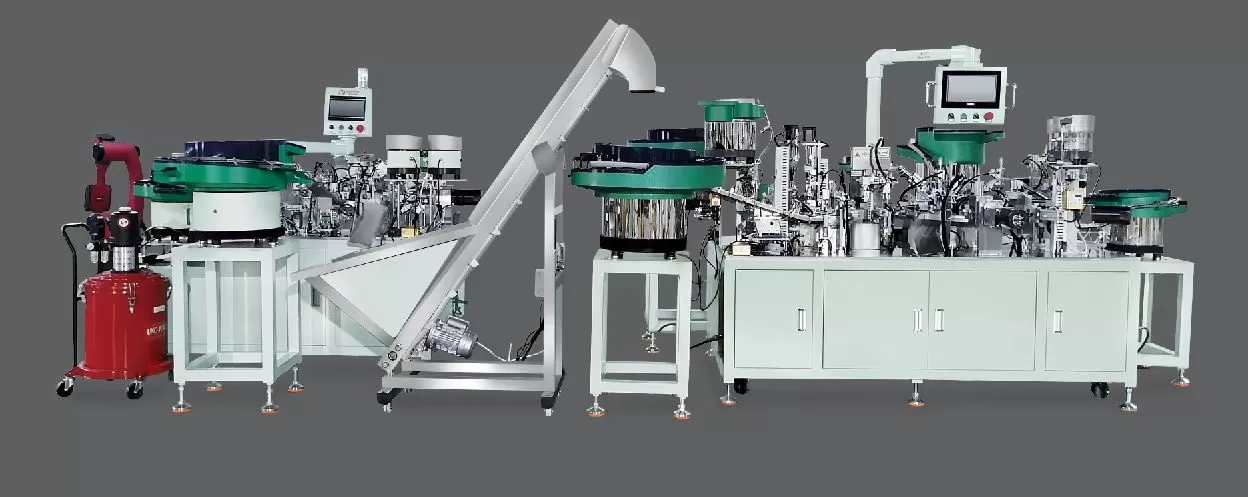
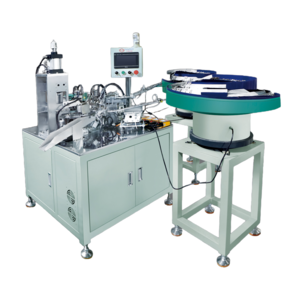
In today’s fast-paced manufacturing industry, the seamless operation of automatic assembly machines is critical to maintaining competitiveness, especially for components like hinges used in furniture, automotive, and electronics. The Jieyang hinge automatic assembly machine, a key piece of equipment in hinge production, demands structured operation to ensure consistent quality, minimal downtime, and optimal resource utilization. An operation standardization process (OSP) serves as the backbone of such efficiency, guiding every step from setup to maintenance. This article outlines the core stages of implementing an effective OSP for Jieyang hinge automatic assembly machines, tailored to enhance productivity and align with modern manufacturing standards.
1. Understanding the Foundation: Defining Standardization Goals
Before diving into process design, it is essential to clarify the primary objectives of the OSP. For Jieyang hinge automatic assembly machines, standardization should focus on three key areas: consistency in product quality, reduction in operational errors, and improvement in production throughput. By setting clear goals—such as maintaining a defect rate below 0.5% and achieving an overall equipment effectiveness (OEE) of 90%—manufacturers can establish measurable benchmarks for success. Additionally, the OSP must integrate safety protocols, as automatic assembly machines involve moving parts that require strict adherence to hazard prevention, ensuring compliance with industry regulations.
2. Mapping the Assembly Workflow: From Raw Materials to Finished Products
A detailed workflow map is the first step in standardizing operations. This map should outline every stage of the hinge assembly process, including material handling, component feeding, machine calibration, assembly execution, and quality inspection. For Jieyang hinge automatic assembly machines, common workflow stages may involve:
- Incoming material inspection: Verifying the dimensions, material hardness, and tolerances of raw hinges, pins, and other components.
- Component orientation and feeding: Ensuring parts are correctly positioned and fed into the assembly machine to prevent jams and misalignment.
- Machine setup and calibration: Adjusting parameters like pressure, speed, and tooling to match the specific hinge model, using standardized reference charts.
- Assembly execution: Coordinating the machine’s robotic arm or mechanical systems to join components with precision, following predefined torque and positioning standards.
- Post-assembly testing: Conducting functional checks (e.g., hinge opening/closing force, durability) to validate compliance with quality standards before packaging.
3. Developing Standard Operating Procedures (SOPs)
SOPs are the operational blueprint for the OSP, detailing step-by-step actions for each workflow stage. For Jieyang hinge automatic assembly machines, SOPs should include:
- Machine startup protocol: Guidelines for powering on the machine, initializing software, and performing pre-start checks (e.g., lubrication levels, sensor status, emergency stop functionality).
- Component handling guidelines: Specific instructions for loading materials, including correct bin placement, part orientation, and batch size limits to prevent contamination or damage.
- Troubleshooting protocols: A standardized sequence to identify and resolve common issues (e.g., sensor misreads, tool wear, material jams), with reference to diagnostic codes and maintenance schedules.
- Documentation requirements: Mandatory records for each assembly run, such as production quantity, operator initials, and quality test results, stored in a centralized system for traceability.
4. Ensuring Training and Skill Development
Even with well-drafted SOPs, successful implementation relies on a skilled workforce. Training programs for Jieyang hinge automatic assembly machine operators should combine:
- Theoretical sessions: Educating staff on the machine’s components, safety regulations, and the rationale behind each standard step.
- Hands-on practice: Guiding operators through setup, material loading, and routine maintenance tasks under supervision, using standardized tools and equipment.
- Certification requirements: Implementing a考核机制 where operators must demonstrate proficiency in following SOPs and troubleshooting basic issues to receive operational clearance.
- Cross-training: Encouraging knowledge sharing between operators to ensure redundancy and reduce downtime during absences.
5. Implementing Monitoring and Continuous Improvement
A static OSP will not sustain long-term efficiency. To ensure the process evolves with changing demands, manufacturers must establish monitoring and feedback systems:
- Data collection: Using sensors and software to track key metrics, such as assembly time per unit, defect frequency, and machine downtime.
- Regular audits: Conducting periodic reviews of SOP adherence, with focus on deviations from standards and opportunities for optimization.
- Feedback loops: Encouraging operators to report challenges or suggestions, which are then analyzed to refine SOPs or upgrade machine components (e.g., tooling, software).
- Collaboration with equipment suppliers: Partnering with the manufacturer of the Jieyang hinge automatic assembly machine to leverage technical expertise for process enhancements, such as integrating new sensors or upgrading control systems.
6. Leveraging Technology for Enhanced Standardization
Modern manufacturing benefits from integrating the OSP with smart technologies. For example, implementing Internet of Things (IoT) sensors can provide real-time data on machine performance, enabling predictive maintenance and early issue detection. Additionally, digital twins of the assembly line can simulate process changes, allowing manufacturers to test SOP modifications in a virtual environment before full implementation, reducing trial-and-error costs. By combining manual expertise with technological tools, the OSP for Jieyang hinge automatic assembly machines becomes a dynamic, adaptive system that drives continuous improvement.
7. Why Choose Sanyhore for Hinge Assembly Solutions
As a professional manufacturer specializing in hinge assembly machines, telescopic drawer slide assembly machines, and roll forming machines, Sanyhore is dedicated to helping clients achieve operational excellence. Our in-house engineering team designs machines that align with customizable standardization needs, ensuring seamless integration with your existing production line. We focus on durability, precision, and user-friendliness, backed by a commitment to long-term support and technical collaboration.
Whether you need to implement an OSP for a new Jieyang hinge automatic assembly machine or optimize an existing one, Sanyhore provides the expertise and resources to drive efficiency. Contact our sales manager today for a consultation: +86 13425506550 or email info@sanyhore.com.
SEO常见问题:
1. What are the core objectives of standardizing the operation of Jieyang hinge automatic assembly machines?
2. How does Sanyhore’s OSP help reduce operational errors in hinge assembly?
3. Can the standardization process for hinge machines be tailored to different production scales?
4. What training is required for staff to operate and maintain Jieyang hinge assembly machines?
5. How does Sanyhore support clients in implementing the operation standardization process?


