

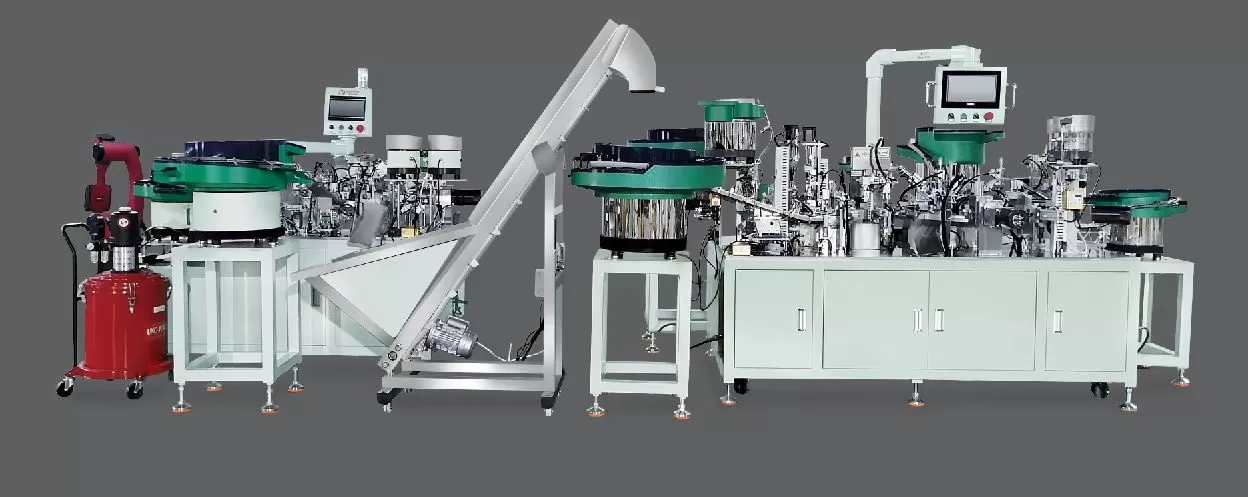
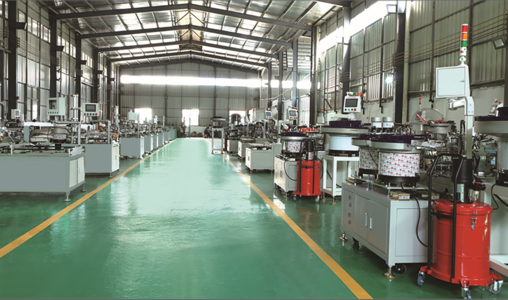
For manufacturers relying on automatic assembly machines, maintaining peak performance is critical to meeting production demands and reducing operational costs. The Jieyang Hinge Automatic Assembly Machine, a key component in hinge manufacturing, requires systematic on-site improvement processes to address inefficiencies, minimize downtime, and ensure consistent output quality. This guide outlines a structured approach to optimizing the machine’s performance through targeted analysis, adjustments, and continuous monitoring, tailored for on-site implementation.
Understanding the Current Operational Baseline
Before initiating improvements, a clear understanding of the machine’s current state is essential—this involves collecting and analyzing real-time operational data. Key metrics to evaluate include overall equipment effectiveness (OEE), production cycle time, defect rates, and maintenance frequency. By reviewing historical data from the past 3–6 months, operators and engineers can identify patterns, such as recurring breakdowns during specific assembly steps or inconsistencies in part alignment. Additionally, direct observations of the assembly line help assess ergonomic factors, tool wear, and material handling workflows, as these often contribute to inefficiencies not captured by data alone.
Identifying Critical Improvement Opportunities
Once the baseline is established, the next step is to pinpoint specific areas for enhancement. Common issues in hinge assembly machines include misalignment of hinge components, slow transfer between workstations, tooling wear affecting precision, and sensor malfunctions causing process interruptions. For example, if data shows a sudden spike in defective hinges during the pin insertion step, engineers can investigate whether the gripper mechanism lacks sufficient force or if the positioning of the hinge on the conveyor belt is inconsistent. Similarly, frequent jams in the feeding system may indicate suboptimal material orientation or a worn guide rail, which can be confirmed through on-site inspection. Prioritizing improvements based on impact (e.g., high OEE reduction potential) and feasibility (ease of implementation) ensures resources are allocated effectively.
Implementing Targeted Adjustments
With improvement areas identified, targeted adjustments are implemented to address root causes. Mechanical adjustments might involve recalibrating alignment fixtures, replacing worn guide rails, or optimizing the speed of transfer mechanisms to match the assembly rhythm of the machine. For instance, if misalignment occurs due to tolerance gaps in the hinge holder, shims or precision adjustments to the holder’s position can resolve the issue. Software optimizations, such as updating PLC control parameters to refine motion profiles or enhancing sensor sensitivity to detect part presence more accurately, are also common. When making adjustments, it’s critical to test changes incrementally—modifying one parameter at a time to isolate its effect and prevent unintended side effects on other assembly steps, ensuring stability throughout the process transition period,
Testing, Validating, and Documenting Results
After adjustments, rigorous testing is necessary to validate improvements and measure their impact. This involves running production trials under normal conditions, comparing key metrics (OEE, cycle time, defect rate) against the baseline data, and collecting feedback from operators who interact with the machine daily. For example, if a gripper adjustment reduces misalignment by X%, operators might report smoother handling of smaller hinge sizes, indicating the change improved not just precision but also adaptability to varying part types. Successful results should be documented with clear records of adjustments made, test parameters, and observed outcomes. This documentation serves as a reference for future maintenance or troubleshooting, ensuring that the improvements are repeatable and scalable.
Standardizing Best Practices and Ensuring Sustainability
To sustain improvements, standardization is key—this involves formalizing new procedures, updating equipment manuals, and training the operations team on the revised workflows and adjustment protocols. For instance, a standardized checklist for daily inspections of critical components (e.g., grippers, sensors) can prevent future drift in performance. By embedding these practices into the company’s manufacturing standards, teams can avoid reverting to old, inefficient methods and maintain consistency in the assembly process. Additionally, regular audits of the machine’s performance help identify emerging issues early, allowing proactive adjustments before they escalate into major problems, ensuring long-term reliability and efficiency.
Addressing Common Challenges: Questions from Clients
Q: “Our Jieyang hinge automatic assembly machine has started experiencing longer cycle times despite stable production. What could be causing this, and how can we use on-site improvement processes to resolve it?”
A: Longer cycle times often stem from hidden bottlenecks in the workflow. Start by analyzing the assembly sequence to identify steps with delayed transfers or excessive tooling retraction. Check for wear in linear guides or timing belts, which can slow movement, or software delays in sensor response that cause unnecessary pauses. Use the on-site improvement process: collect cycle time data for each step, perform visual checks to spot mechanical resistance, and test adjustments to reduce transfer speed or optimize tool paths. Document these changes and monitor for 2–3 production runs to confirm cycle time reduction. For ongoing issues, our team at Sanyhore, a professional manufacturer of hinge assembly machines and related equipment, offers on-site diagnostics and tailored solutions to optimize your machine’s performance.
Conclusion
The on-site improvement process for the Jieyang Hinge Automatic Assembly Machine is a dynamic, iterative journey that combines data analysis, targeted action, and continuous monitoring. By following these steps—establishing baselines, identifying opportunities, implementing adjustments, validating results, and standardizing practices—manufacturers can significantly enhance machine efficiency, reduce costs, and ensure consistent quality. As a trusted provider of hinge assembly machines, telescopic drawer slide assembly machines, and roll forming machines, Sanyhore is committed to supporting your operational goals. If you need assistance optimizing your automatic assembly line, contact our sales manager at +86 13425506550 or email info@sanyhore.com for personalized guidance and solutions.


