

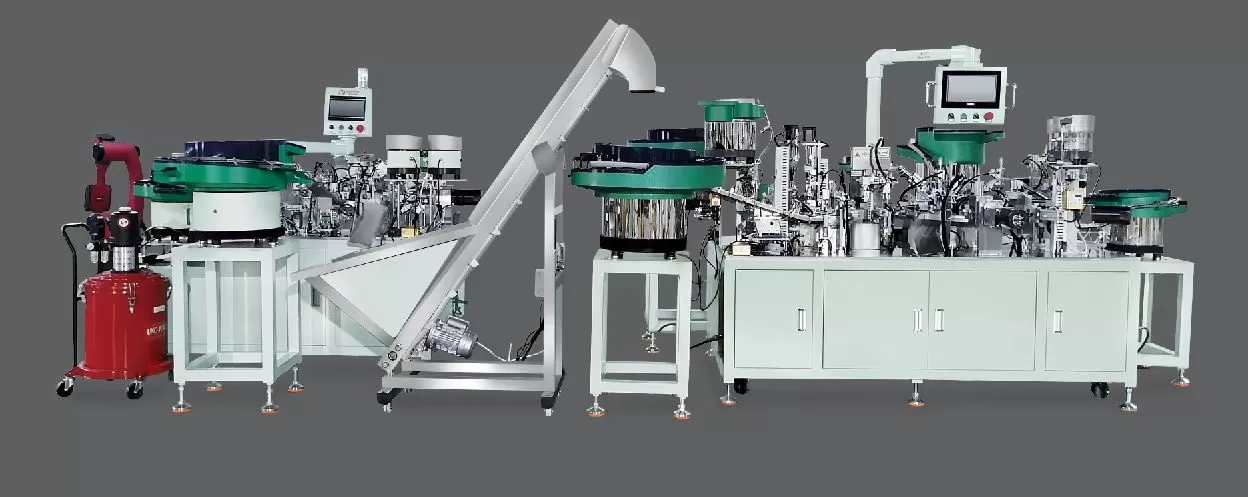
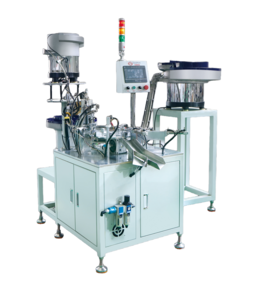
In today’s fast-paced manufacturing landscape, optimizing production efficiency is critical for staying competitive. Sanyhore’s Fully Automatic hinge assembly machine emerges as a game-changer, streamlining hinge production through advanced automation and precision engineering. This guide explores actionable tips to maximize its performance, helping you reduce costs, minimize errors, and scale output without compromising quality.
Understanding the Machine’s Core Capabilities
To leverage the Sanyhore hinge assembly machine effectively, start by familiarizing your team with its key strengths. Unlike manual setups, this machine integrates servo-driven feeding systems, vision-based part recognition, and adaptive joining mechanisms, enabling consistent cycle times of 8–12 seconds per hinge. Its modular design supports multiple hinge types—from 100mm light-duty cabinet hinges to 300mm heavy-duty door hinges—eliminating the need for frequent retooling. Understanding these capabilities ensures your team leverages the machine’s full potential, avoiding underutilization of its advanced features.
Pre-Operation Setup Best Practices
Proper initial setup is foundational to long-term efficiency. Begin by calibrating the machine’s vision system to match hinge dimensions, as misalignment here often causes jams or misassemblies. Use the HMI to input material specifications—such as thickness and material type—to auto-adjust parameters like press force and positioning speed. Inspect the feeding track for debris or bent rails, and lubricate guide rods and bearings per the monthly maintenance schedule. A 15-minute pre-shift check can prevent 2–3 hours of unplanned downtime, ensuring the machine starts production at peak efficiency.
Optimizing Production Parameters
Maximizing output requires fine-tuning production parameters based on real-time feedback. Use the machine’s built-in analytics to monitor key metrics: cycle time, torque during joining, and reject rates. For lightweight hinges, increase the servo speed by 10–15% to reduce idle time; for heavier types, lower the joining pressure by 5–10% to prevent material damage. Regularly review these metrics weekly to identify trends—for example, a gradual increase in reject rates may signal worn tooling, which can be replaced proactively. Small, data-driven adjustments keep the machine running at optimal efficiency.
Ensuring Consistent Quality Through Calibration
Quality consistency directly impacts efficiency by reducing rework. Schedule daily calibration checks for critical components, such as the X-Y-Z positioning fixtures and joining tools. Use the machine’s calibration wizard to align the vision sensor within a 0.02mm tolerance, ensuring parts are placed accurately every cycle. For monthly checks, verify the torque of clamping screws and the tension of drive belts. A calibrated machine not only meets industry standards but also reduces scrap rates by up to 30%, significantly boosting overall production value.
Maintenance and Longevity Tips
Long-term efficiency hinges on proactive maintenance. Develop a routine that includes daily, weekly, and monthly tasks: daily, clean the material hopper and check for loose fasteners; weekly, replace air filters and inspect hydraulic hoses for leaks; monthly, examine servo motors and wiring for signs of wear. Store spare parts—such as guide rails, sensors, and joining dies—in a dry, organized space to minimize replacement delays. By maintaining the machine per Sanyhore’s guidelines, you can extend its lifespan by 5–7 years, ensuring sustained efficiency throughout its operational life.
Troubleshooting Common Hiccups
Even with proper setup, minor issues may arise. If the machine jams, first check the feeding system for misaligned parts or debris. A quick clean of the track and adjustment of the feeder guide can resolve most jams. For inconsistent joining, verify the torque settings in the HMI—tightening the press force by 2–3 Nm often fixes weak joints. If errors persist, consult Sanyhore’s technical support team via +86 13425506550 or info@sanyhore.com. Prompt troubleshooting minimizes downtime, keeping your production on track.
Sanyhore, a professional manufacturer of hinge assembly machines, telescopic drawer slide assembly machines, and roll forming machines, is committed to empowering your production with reliable, efficient solutions. With our machines and expert guidance, you can transform your workflow, reduce costs, and meet growing demand. Contact our sales team today to discover how we can elevate your manufacturing efficiency.
FAQ
1. What makes Sanyhore’s hinge assembly machine stand out?
Our machines combine industrial-grade durability, adaptive automation, and user-centric design, outperforming manual setups by 40% in cycle time and reducing errors by 90%.
2. Can your machines integrate with existing production lines?
Yes, our modular design ensures compatibility with most standard lines, with customization options to match your specific needs.
3. How do you support after purchase?
We offer 24/7 technical support, spare parts supply, and on-site training to ensure seamless operation.
4. What other machinery do you produce?
We also specialize in telescopic drawer slide assembly machines and roll forming machines for diverse industrial applications.


