

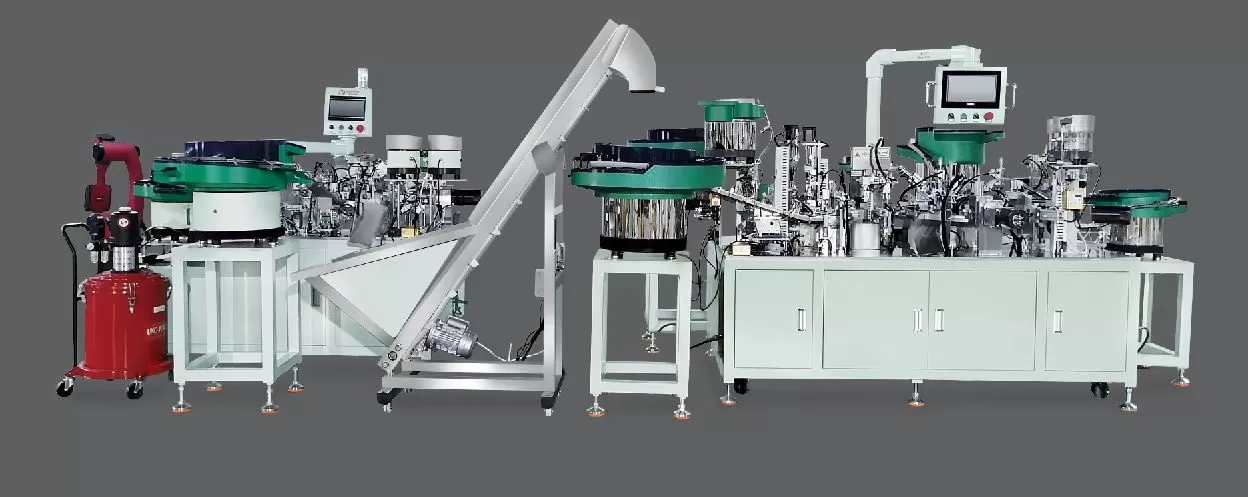

Jieyang, a hub for metal manufacturing in China, has emerged as a key player in the production of drawer slides, essential components in furniture, cabinets, and appliances. Behind the seamless production of these critical parts lies a technology that’s redefining industry standards: the drawer slide roll forming machine. As demand for durable, precise, and cost-effective drawer slides grows globally, this specialized roll forming equipment is not just a tool—it’s the future of drawer slide manufacturing.
Key Advantages of Roll Forming for Drawer Slides
Roll forming technology, the core of these machines, works by passing metal sheets through a series of shaped rollers, gradually forming the desired profile. For drawer slides, this method offers unmatched advantages over traditional manufacturing processes. Unlike stamping or welding, which often involve multiple steps and higher material waste, roll forming achieves continuous, high-speed production with minimal material loss. Each pass through the roller stations refines the slide’s walls, flanges, and structural integrity, resulting in slides with consistent thickness, precise dimensions, and enhanced load-bearing capacity.
This efficiency translates directly to productivity. Modern roll forming machines, equipped with automated feeding systems and programmable logic controllers (PLCs), reduce manual intervention, allowing operators to focus on monitoring and quality checks rather than repetitive tasks. For manufacturers in Jieyang and beyond, this means shorter production cycles, lower labor costs, and the ability to meet tight order deadlines—key factors in today’s competitive market.
Streamlining Production Workflow with Integrated Design
A well-engineered drawer slide roll forming machine is more than just a standalone device; it’s part of a streamlined production ecosystem. Many models today feature integrated unwind, straightening, and trimming units, eliminating the need for separate processing steps. This integration not only saves floor space but also minimizes material handling and transit times, further boosting overall efficiency.
Moreover, the flexibility of roll forming machines is a game-changer. By adjusting the roller tooling, manufacturers can quickly switch between producing different slide types—from standard ball bearing slides to heavy-duty telescopic slides used in commercial furniture. This adaptability ensures that production lines remain versatile, capable of responding to shifting market demands without significant downtime or retooling costs.
Ensuring Quality Control and Long-Term Reliability
In drawer slide manufacturing, quality is non-negotiable. A high-performance roll forming machine incorporates advanced quality control features to ensure every slide meets strict industry standards. Built-in measuring systems, such as laser sensors and vision inspection tools, continuously monitor the forming process, detecting deviations in dimensions or surface finish in real time. This proactive approach reduces the risk of defective slides, lowering scrap rates and the need for post-production rework.
The precision of roll forming also contributes to the durability of the final product. The repeated cold-rolling process strengthens the slide’s metal structure, enhancing its resistance to wear, deformation, and fatigue. As a result, slides produced by these machines have longer service lives, meeting the expectations of end-users who demand reliability in furniture and equipment.
Shaping the Future: Automation and Smart Manufacturing
As the manufacturing industry evolves toward Industry 4.0, the role of roll forming machines in drawer slide production is expanding beyond basic forming to include smart, automated operations. Modern machines are increasingly integrated with Industry 4.0 technologies, such as IoT connectivity and data analytics. This allows for real-time process monitoring, predictive maintenance, and performance optimization—key steps toward reducing inefficiencies and maximizing uptime.
For example, AI-driven analytics can analyze production data to identify patterns in machine performance, enabling maintenance teams to address potential issues before they cause breakdowns. Similarly, IoT-enabled machines can share operational insights with other systems in the factory, creating a more interconnected and responsive production environment. These advancements not only future-proof manufacturing lines but also position them to meet the growing demand for sustainable, eco-friendly production practices, as roll forming minimizes material waste and energy consumption compared to other methods.
Partnering with Experts for Seamless Implementation
While the benefits of a high-quality drawer slide roll forming machine are clear, selecting the right equipment requires expertise. As a professional manufacturer specializing in hinge assembly machines, telescopic drawer slide assembly machines, and roll forming machines, Sanyhore brings decades of experience to the table. Our machines are designed and engineered to align with the unique needs of drawer slide production, combining precision, durability, and user-friendliness.
Whether you’re looking to upgrade an existing production line or start a new one, Sanyhore’s roll forming solutions are tailored to your requirements. With a focus on innovation and customer satisfaction, we ensure that every machine is backed by reliable support and technical guidance.
Ready to transform your drawer slide manufacturing process? Contact us today to explore how our Jieyang drawer slide roll forming machines can elevate your production capabilities. Reach out via phone at +86 13425506550 or email at info@sanyhore.com to speak with our team of experts.
The future of drawer slide manufacturing is here—and it’s shaped by precision, efficiency, and partnership. Choose Sanyhore, and let’s build a more productive, high-quality production line together.


