

TDK:
标题:Key Steps and Benefits of International Certification for Hinge Automatic Assembly Machines
关键词:International Certification, Hinge Automatic Assembly Machine, CE Mark, ISO 9001, Global Compliance
描述:Obtaining international certifications is a critical step for manufacturers of hinge automatic assembly machines aiming to enter global markets. This process ensures product quality, safety, and compliance with diverse regulatory standards, which is essential for building trust with international clients and expanding business reach.
Obtaining international certifications is a critical step for manufacturers of hinge automatic assembly machines aiming to enter global markets. This process ensures product quality, safety, and compliance with diverse regulatory standards, which is essential for building trust with international clients and expanding business reach. For manufacturers in Jieyang, China, specializing in hinge automatic assembly machines, understanding and following these certification pathways is key to establishing a strong global presence.
Understanding the Importance of International Certifications for Hinge Assembly Equipment
International certifications act as a universal language of quality and safety in the manufacturing industry. For hinge automatic assembly machines, these certifications verify that the equipment meets specific technical, safety, and performance criteria set by regulatory bodies. This is particularly vital for cross-border trade, as different countries have distinct standards—for example, the EU mandates CE marking, while the U.S. requires UL certification, and some Asian markets may have additional local standards. Without proper certification, machines risk being rejected at borders, incurring delays, or damaging a brand’s reputation.
Core International Certifications for Hinge Automatic Assembly Machines
Several certifications are commonly required for hinge automatic assembly machines, depending on target markets. The most widely recognized include:
- ISO 9001:2015: This Quality Management System (QMS) certification ensures the manufacturer follows standardized processes for design, production, and after-sales service. It covers documentation, training, and continuous improvement, making it a foundational requirement for global trade.
- CE Mark: Mandatory for products sold within the European Economic Area (EEA), CE marking confirms compliance with EU health, safety, and environmental protection directives. For assembly machines, this often involves testing for electrical safety, mechanical stability, and emissions.
- UL Certification: Primarily applicable to the U.S. and Canada, UL (Underwriters Laboratories) certification verifies that the machine meets safety standards for electrical equipment, including insulation, overload protection, and material flammability.
- IEC Standards: The International Electrotechnical Commission (IEC) sets global standards for electrical and electronic equipment, often referenced by other certifications. Hinge assembly machines with electrical components must comply with IEC 61010 (for safety of electrical equipment) and IEC 60034 (for motors, a common component in assembly machines).
Detailed Breakdown of the Certification Process
The journey to international certification typically follows a structured sequence, with each step requiring careful attention to detail:
1. Identify Target Markets and Applicable Standards: Manufacturers first research which certifications are required for their target regions. For example, a machine intended for both Europe and North America must address both CE and UL requirements.
2. Pre-Compliance Assessment: Before formal application, manufacturers conduct internal audits to check if their machines meet the standards. This includes reviewing design specifications, material quality, and production processes.
3. Product Testing: Certified third-party labs perform rigorous testing, such as electrical safety checks, load capacity tests, and durability trials. For hinge assembly machines, this may involve simulating continuous operation to ensure long-term reliability.
4. Document Submission and Application: Once testing confirms compliance, manufacturers submit an application to the relevant certification body, including technical documentation, test reports, and quality system records.
5. Factory Audit: To ensure consistent compliance, certification bodies conduct on-site audits of the manufacturing facility, verifying that QMS procedures and production practices align with certification standards.
6. Certificate Issuance: If all requirements are met, the certification body issues the certificate, allowing the manufacturer to display the mark (e.g., CE, UL) on the product.
7. Post-Certification Supervision: Most certifications require periodic surveillance audits (e.g., annual reviews) to maintain validity, ensuring ongoing compliance with standards.
Advantages of Certified Hinge Assembly Machines for Global Markets
Beyond regulatory compliance, international certifications offer tangible business benefits. For manufacturers, certified machines enhance market competitiveness by demonstrating a commitment to quality and safety. For clients, certifications provide confidence in the equipment’s performance, reducing the risk of downtime and ensuring alignment with their own operational standards. Additionally, certified products often gain preferential treatment in tender processes and are more likely to be adopted by large enterprises with strict quality requirements.
Sanyhore: Your Trusted Partner for Certified Hinge Assembly Solutions
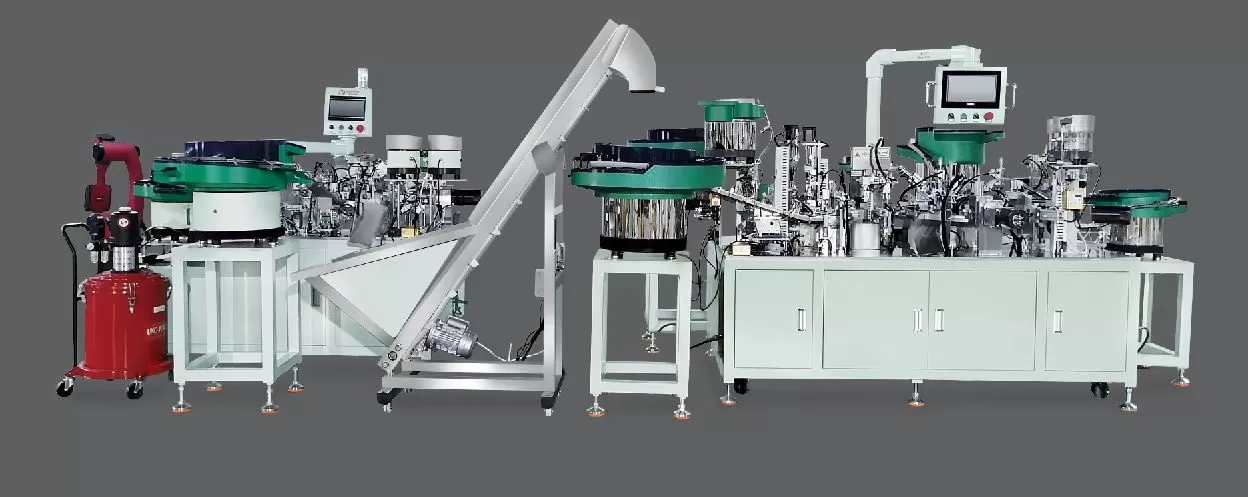
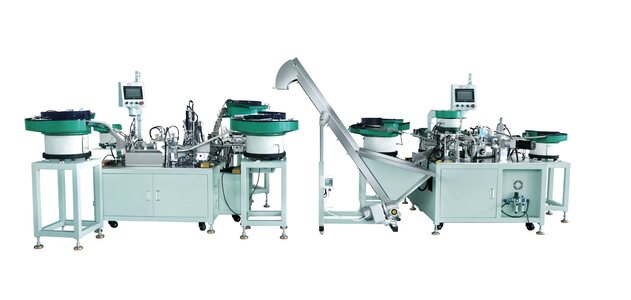
Sanyhore, a professional manufacturer specializing in hinge automatic assembly machines, telescopic drawer slide assembly machines, and roll forming machines, prioritizes compliance with international standards. Our engineering team ensures every hinge automatic assembly machine undergoes rigorous pre-certification testing and meets global benchmarks, including CE, ISO 9001, and UL where applicable. With years of experience in global markets, we understand the unique certification needs of clients worldwide, offering tailored support to streamline the process. Whether you require a standard-certified machine or need custom compliance solutions, Sanyhore is dedicated to delivering reliable, high-performance equipment that meets your business goals.
For inquiries about our certified hinge automatic assembly machines or to discuss your specific certification requirements, contact our team today at +86 13425506550 or via email at info@sanyhore.com. We look forward to partnering with you to achieve global success.
Common SEO Questions and Answers
Q1: What certifications are necessary for exporting hinge automatic assembly machines?
A1: Key certifications include CE (EU), UL (U.S.), and ISO 9001 (global QMS). Sanyhore’s machines meet these and other regional standards.
Q2: How does Sanyhore ensure its hinge assembly machines pass international certifications?
A2: We use advanced R&D, in-house testing labs, and strict quality control to align with CE, ISO 9001, and other regulatory requirements.
Q3: Can Sanyhore help with certification documentation for hinge assembly machines?
A3: Yes, our team provides full support, including preparing technical files, test reports, and factory audit coordination to simplify certification processes for clients.
Q4: Why is ISO 9001 important for hinge automatic assembly machines?
A4: ISO 9001 ensures consistent quality management, from design to after-sales service, making your machines more trustworthy in global markets.
Q5: How long does it take to get a CE certificate for a hinge assembly machine?
A5: Timeline varies by testing complexity, typically 3–6 months. Sanyhore streamlines this with pre-compliance checks to accelerate results.


