

.png)
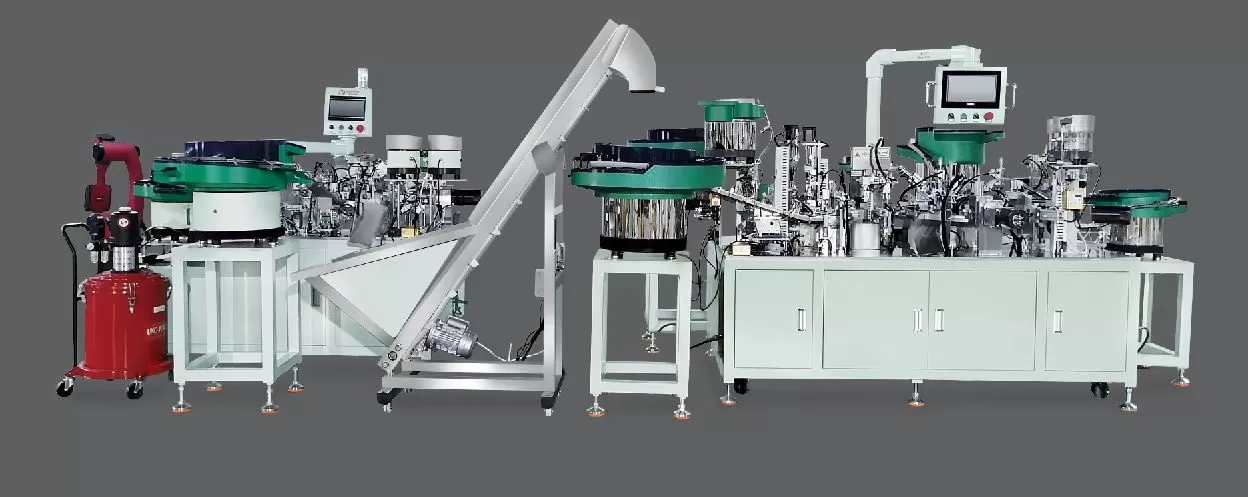
Operating Sanyhore’s fully automatic hinge assembly machine to its full potential requires a systematic approach, combining technical knowledge with hands-on precision. As a professional manufacturer of hinge assembly solutions, Sanyhore designs these machines to streamline production, reduce manual effort, and ensure consistent quality. Below is a detailed guide to mastering its operation like an industry expert.
1. Prioritize Safety Protocols
Before any operation, safety must be non-negotiable. Always wear appropriate personal protective equipment (PPE), including safety glasses, gloves, and steel-toed boots. Familiarize yourself with the machine’s emergency stop button—locate it immediately and test it to confirm functionality. Ensure the workspace is clear of clutter, and secure loose clothing to prevent entanglement in moving parts. Sanyhore’s machines are engineered with built-in safety interlocks, but adhering to these protocols minimizes risks during setup and operation.
2. Familiarize with Machine Components
Understanding the machine’s structure is key to smooth operation. Start by identifying core components: the feeding system (which delivers hinge blanks and accessories), the positioning unit (guiding parts into precise alignment), the press-fit mechanism (applying controlled force to join components), and the take-away conveyor (removing completed hinges). Refer to Sanyhore’s user manual for component labels and functions, as each part plays a critical role in the assembly process. Take time to inspect these components visually before powering on—check for signs of wear, misalignment, or debris that could disrupt performance.
3. Set Up Parameters Correctly
Sanyhore’s fully automatic hinge assembly machine uses a control panel with digital parameters, including pressure, speed, and cycle time. These settings are tailored to different hinge types, so verify your specific hinge model in Sanyhore’s compatibility guide. For example, lightweight hinges may require lower pressure (5-8 MPa) and faster cycle times (12-15 seconds), while heavier-duty hinges need higher pressure (10-15 MPa) and slightly longer cycles (18-22 seconds). Input parameters carefully using the control panel’s interface, and save settings as a template for repeated use to save time.
4. Prepare Raw Materials and Tools
Efficient operation starts with organized preparation. Gather all raw materials: hinge bodies, pins, bushings, and any additional components specified for your hinge type. Inspect materials for defects—check for burrs, dimensional inconsistencies, or missing parts, as these can cause jams or poor assembly results. Sanyhore’s machine accepts standardized materials, but always confirm batch quality with your supplier. Additionally, prepare tools like a torque wrench (if applicable) and a cleaning cloth for wiping debris from the feeding tray or conveyor. A well-prepared setup reduces downtime and ensures the assembly process runs uninterrupted.
5. Execute the Assembly Process
With safety protocols in place, parameters set, and materials ready, initiate the assembly process. First, power on the machine and wait for the control panel to initialize (typically 30-60 seconds, depending on the model). Activate the auto-feeding system to load hinge blanks into the positioning unit. The machine will then align components using laser sensors, ensuring precise pin insertion and press fitting. Monitor the process through the control panel’s display—look for indicators of proper alignment, such as a green light for successful press-fit and a red light for misalignment. Once the hinge exits the take-away conveyor, visually inspect a sample to confirm quality before resuming full production.
6. Implement Quality Control Checks
Even with automated systems, regular quality checks are essential. After every 100 units produced, conduct physical tests: measure hinge dimensions with calipers to ensure they meet Sanyhore’s standards, and test hinge functionality by opening and closing it 10-15 times to verify smoothness and durability. Record results in a logbook, noting any deviations from specifications. If inconsistencies occur, adjust parameters slightly (e.g., increase pressure by 1 MPa for a loose pin) and re-test. This proactive approach ensures your output meets customer requirements and maintains Sanyhore’s reputation for quality.
7. Conduct Daily Maintenance
To keep the machine running optimally, perform daily maintenance as outlined in Sanyhore’s manual. Start by powering down the machine and disconnecting the power source for safety. Clean the feeding tray, conveyor, and press-fit area with compressed air to remove dust and metal shavings. Lubricate moving parts (e.g., guide rails, bearings) with Sanyhore-recommended oil or grease—over-lubrication can attract debris, so apply a thin, even layer only. Check belts and chains for tension and wear, replacing any damaged components promptly. A 15-20 minute daily maintenance routine extends the machine’s lifespan and prevents unexpected breakdowns.
8. Troubleshoot Common Issues
Even with proper setup, minor issues may arise. Familiarize yourself with common problems and their solutions:
- Jamming: If materials get stuck, stop the machine, check the feeding system for misaligned parts, and clear debris from the conveyor.
- Press-fit misalignment: Reduce speed and adjust the positioning sensor via the control panel to ensure better alignment.
- Inconsistent pin insertion: Verify pin diameter matches specifications and check the pin feeder for clogs.
If issues persist after basic troubleshooting, contact Sanyhore’s technical support team. Their expertise, combined with the machine’s robust design, ensures quick resolution to minimize production downtime.
Sanyhore’s fully automatic hinge assembly machines are engineered for reliability, boasting high precision and minimal maintenance needs. Whether you’re scaling up production or upgrading your current line, our machines deliver consistent results that meet industry standards. To discuss how Sanyhore can support your manufacturing goals, reach out to our sales manager at +86 13425506550 or send an email to info@sanyhore.com. Our team is ready to provide personalized guidance and help you maximize efficiency with the right machinery for your needs.


