

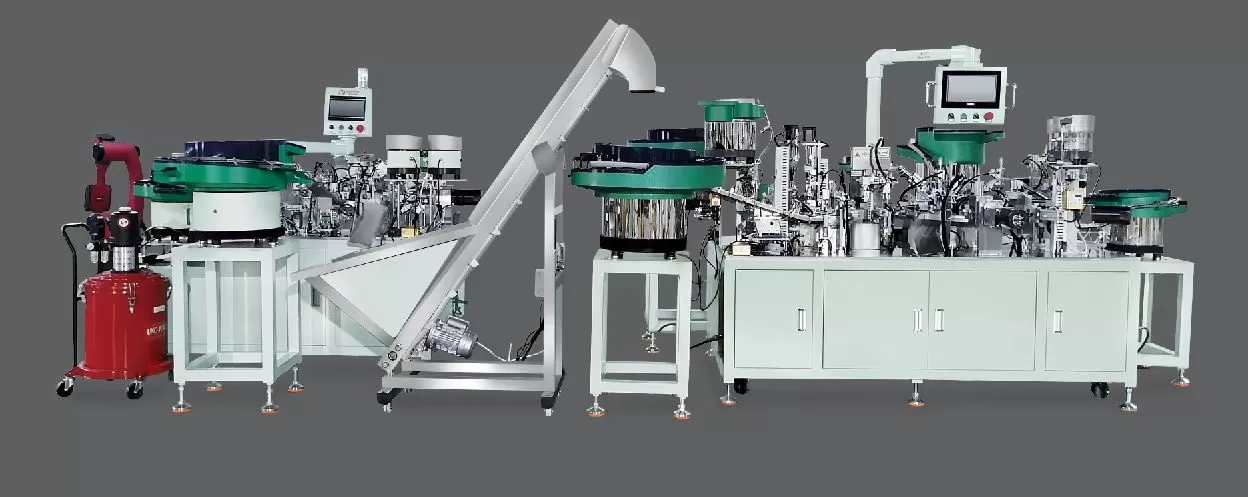
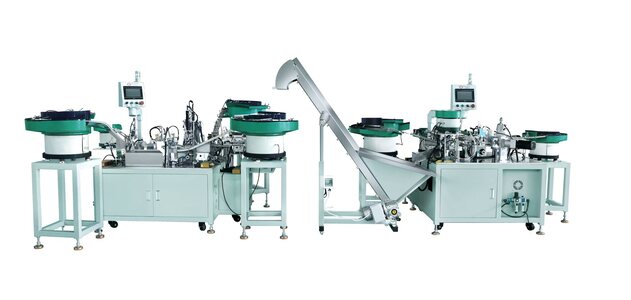
Jams in automatic hinge assembly machines can disrupt production efficiency, leading to delays and increased operational costs. For Sanyhore, a trusted manufacturer of hinge assembly machines, telescopic drawer slide assembly machines, and roll forming machines, understanding how to resolve these issues is critical for maintaining equipment reliability. Below is a detailed, step-by-step guide to diagnosing and fixing jams in Sanyhore fully automatic hinge assembly machines, designed for operators and maintenance teams familiar with industrial machinery.
Identifying Common Jam Causes in Sanyhore Hinge Assembly Machines
Sanyhore’s fully automatic hinge assembly machines are engineered for precision, but jams often stem from specific issues. Common culprits include misaligned feed systems, worn mechanical components, material irregularities, or sensor malfunctions. For example, hinges with warped edges or incorrect dimensions may get stuck in the feeding track, while worn conveyor belts or guide rails can misalign parts, causing blockages. Additionally, insufficient lubrication in moving parts or debris buildup in critical areas (e.g., grippers, clamping mechanisms) are frequent contributors. Taking time to identify the root cause early saves time and prevents further damage.
Safety Precautions Before Starting Repairs
Before attempting any repairs, prioritize safety to avoid injury or equipment damage. Always power off the machine and ensure the emergency stop button is engaged. Lock the control panel to prevent accidental activation, and wear appropriate personal protective equipment (PPE), such as safety glasses and gloves. Additionally, document the machine’s current state—including positions of components and any visible damage—to reference during the repair process. This step ensures a systematic approach and reduces the risk of overlooking critical details.
Step-by-Step Troubleshooting and Fixes
#1. Inspecting the Feeding System
Start by examining the material feed mechanism, a primary source of jams. Check the infeed conveyor belt or track for misalignment, frayed edges, or debris. Use a soft brush to clear dust, metal shavings, or leftover hinge fragments. If the belt is worn or slipping, adjust the tension or replace it with a compatible Sanyhore part. For feed rails, verify that they are clean and properly aligned with the hinge dimensions—misalignment here can force hinges into awkward positions, causing jams.
#2. Checking Mechanical Components
Next, inspect moving parts like grippers, clamping jaws, and drive gears. These components often wear over time, leading to poor grip or mispositioning. For grippers, check if the clamping force is sufficient—adjust the tension if hinges are slipping, or replace worn gripper pads if they lack traction. Similarly, examine gears and chains for loose links or tooth damage; a malfunctioning drive system can misalign parts, leading to blockages. Tighten loose components and lubricate gears with the recommended oil (Sanyhore’s service manual specifies compatible lubricants) to ensure smooth movement.
#3. Calibrating Sensors and Detectors
Sanyhore machines rely on sensors to detect hinge presence and position. A misaligned or dirty sensor is a common jam cause. Locate the photoelectric sensors, proximity switches, or vision systems responsible for tracking hinges. Clean the sensor lenses with a lens cleaner to remove dust, then test their response by manually placing a hinge in the detection area. If the sensor fails to trigger, adjust its position or sensitivity according to Sanyhore’s calibration guidelines. For vision systems, ensure the camera lens is free of smudges and the software settings match the hinge model being processed.
#4. Addressing Material-Related Issues
If jams occur consistently with the same hinge type, check material quality. Warped, bent, or undersized hinges can get stuck in the assembly process. Collaborate with your production team to verify incoming hinge dimensions against Sanyhore’s specifications. If material irregularities are detected, work with suppliers to ensure consistent quality. Additionally, adjust the machine’s parameter settings (e.g., feeding speed, clamping pressure) to accommodate minor material variations, but avoid overcompensating, as this may cause new issues.
Preventive Maintenance to Reduce Jams
To minimize future jams, implement regular preventive maintenance:
- Daily Checks: Inspect feed tracks, conveyor belts, and grippers for debris or wear.
- Weekly Lubrication: Apply lubricant to gears, chains, and pivot points as per Sanyhore’s schedule.
- Monthly Inspections: Check sensor alignment, drive belt tension, and component tightness.
- Quarterly Calibration: Verify sensor accuracy and machine parameters to ensure optimal performance.
By maintaining the machine proactively, you can significantly reduce the frequency of jams and extend its lifespan.
When to Seek Professional Assistance
If troubleshooting steps fail to resolve the jam, or if you encounter severe damage (e.g., broken gears, bent frames), contact Sanyhore’s technical support team. As a professional manufacturer of hinge assembly machines, telescopic drawer slide assembly machines, and roll forming machines, Sanyhore offers expert guidance to keep your equipment running smoothly. For inquiries or to connect with our sales team, reach out to our sales manager at +86 13425506550 or email info@sanyhore.com.
Investing time in proper troubleshooting and maintenance ensures your Sanyhore hinge assembly machine remains efficient and reliable, supporting consistent production and reducing downtime. Trust Sanyhore for high-quality machinery and dedicated after-sales support.


