

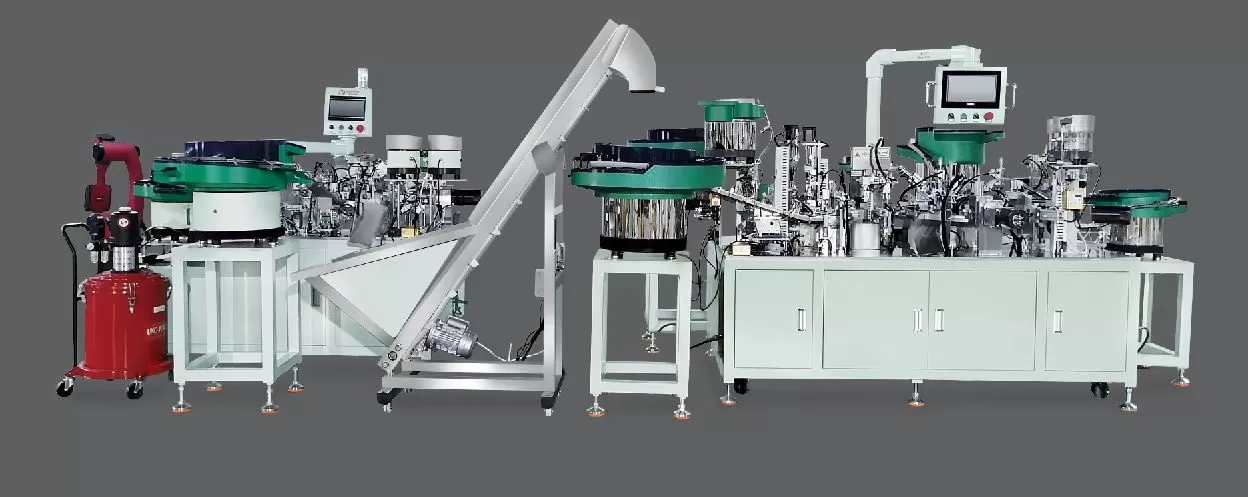
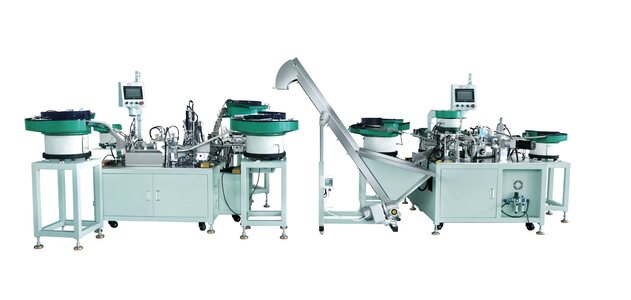
3D hinge assembly is a critical step in modern manufacturing, but traditional methods often struggle with waste—from material inefficiencies to precision errors and recurring defects. These issues not only increase production costs but also strain resource management. Sanyhore, a leading manufacturer of hinge assembly machines, telescopic drawer slide assembly equipment, and roll forming machines, has developed innovative solutions to address this challenge. Their machines combine advanced engineering, automation, and real-time monitoring to minimize waste, making them a game-changer for industries focused on efficiency and sustainability.
Understanding 3D Hinge Assembly Waste Challenges
In conventional 3D hinge production, waste typically arises from three key areas: material loss, process inefficiencies, and quality defects. Manual or semi-automated setups rely heavily on human calibration, leading to misaligned components and excessive material trimming. Additionally, inconsistent feeding and assembly steps cause frequent rework, while poor precision results in hinges that don’t meet tolerances, requiring costly replacements. Over time, these issues accumulate, turning waste into a significant operational burden for manufacturers.
Sanyhore’s Machine Technology: Precision Engineering at Work
Sanyhore’s hinge assembly machines leverage cutting-edge technology to combat waste. Central to their design is a high-precision positioning system, which uses servo motors and laser sensors to align 3D hinge components within 0.02mm tolerances—far exceeding manual calibration accuracy. This eliminates misalignment-related waste, reducing material trimming by up to 40%.
The machines also feature integrated automated feeding systems. Using vibration bowls and guided rails, they deliver components at a steady, consistent rate, minimizing jams and interruptions. Unlike manual handling, which can cause component damage or misplacement, Sanyhore’s systems ensure each part is correctly positioned before assembly, reducing defect rates by up to 25%.
Efficiency and Resource Optimization: Reducing Waste in Real Production
Beyond precision, Sanyhore’s machines optimize resource use to cut waste. The production cycle integration—combining feeding, assembly, and initial quality checks—reduces downtime by 30% compared to manual workflows. This means less idle time, fewer material losses from unproductivity, and faster throughput.
For telescopic drawer slide production, Sanyhore’s roll forming machines complement hinge assembly systems by streamlining metal forming. Their continuous roll-forming process minimizes material cutting and scrap, as the machine shapes raw materials directly into the required slide geometry. This, paired with the hinge assembly machine’s precision, creates a closed-loop system where resource waste is drastically reduced.
Quality Control: Minimizing Defects to Cut Recurring Waste
Waste isn’t only about scraps; it also includes the cost of rework and defects that require reprocessing. Sanyhore’s machines address this with built-in quality control modules. Post-assembly, sensors check for tightness, alignment, and functional performance, immediately flagging defects for correction. This prevents the production of substandard hinges, which would otherwise need disassembly, rework, or disposal—saving both materials and labor.
The machines’ data logging capabilities further enhance waste reduction. By tracking assembly times, component usage, and defect patterns, manufacturers can identify bottlenecks or process gaps, allowing for proactive adjustments that prevent future waste accumulation.
Scalable Solutions for Diverse Manufacturing Needs
Sanyhore’s hinge assembly machines are designed to adapt to different production scales and hinge types. Whether for small-batch 3D hinge production or high-volume telescopic drawer slide assembly, their modular design ensures flexibility without compromising waste reduction. This scalability means even smaller manufacturers can adopt efficient, low-waste production without over-investing in complex systems.
Conclusion: Partnering for Sustainable Manufacturing
For manufacturers seeking to reduce waste in hinge production, Sanyhore offers more than just machines—it provides a comprehensive approach to efficiency. By combining precision engineering, automation, and data-driven optimization, their equipment minimizes material loss, defects, and rework, directly improving the bottom line.
To learn how Sanyhore’s hinge assembly machines, telescopic drawer slide assembly systems, or roll forming machines can transform your production, contact us: +86 13425506550 or email info@sanyhore.com.
Common SEO Questions & Answers
Q1: What makes Sanyhore’s 3D hinge assembly machine different from others?
A1: Sanyhore’s machines stand out with integrated precision systems—high-accuracy positioning, automated feeding, and real-time quality checks—reducing waste by up to 40% compared to manual or conventional setups.
Q2: Can your machines handle telescopic drawer slide assembly alongside 3D hinge production?
A2: Yes. Sanyhore offers integrated production lines combining hinge assembly machines, telescopic drawer slide assembly equipment, and roll forming machines, streamlining workflows and reducing overall waste.
Q3: How do roll forming machines reduce waste in hinge production?
A3: Sanyhore’s roll forming machines use continuous, precise shaping to minimize material cutting and scrap, directly lowering raw material waste. This, paired with our hinge assembly tech, creates a low-waste production cycle.
Q4: Does Sanyhore provide support to optimize waste reduction in existing production lines?
A4: Absolutely. Our team offers on-site assessments and data analysis to identify waste bottlenecks, ensuring our machines integrate seamlessly with your current setup for maximum efficiency.


