
 - 副本.png)
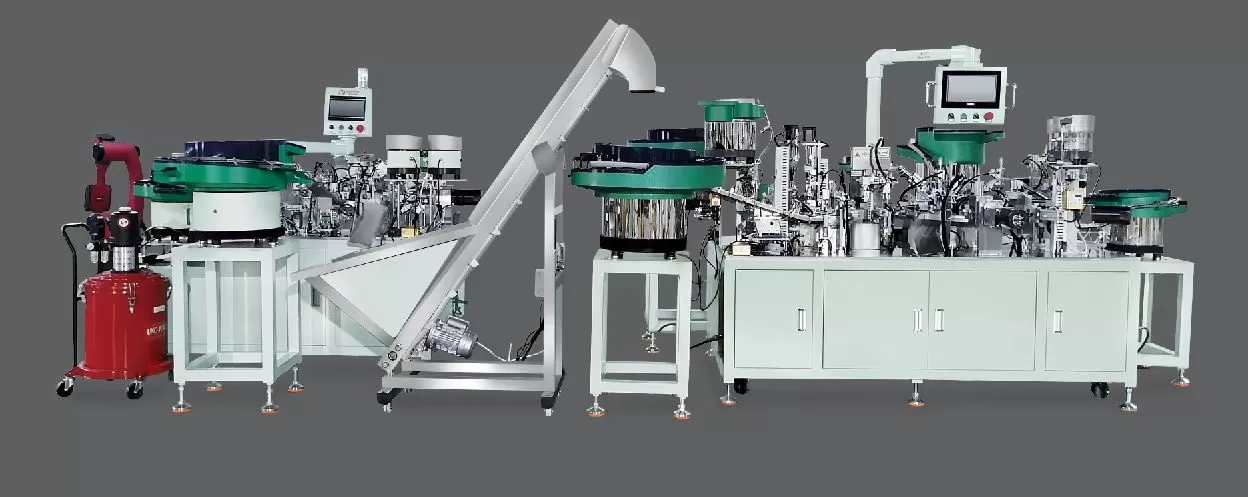
Drawer slide design has evolved significantly, driven by varying industry needs—from compact residential units to heavy-duty commercial applications. These components, critical for smooth drawer movement, come in countless configurations: different lengths, load capacities, materials, and structural styles. For manufacturers, the challenge lies in efficiently producing slides to meet such diversity without compromising precision or speed. Sanyhore, a trusted producer of assembly and forming equipment, has developed a range of machines—including telescopic drawer slide assembly machines, hinge assembly machines, and roll forming machines—that excel in adapting to these varied designs. This article explores how Sanyhore’s technology achieves this adaptability, ensuring seamless production across the full spectrum of drawer slide requirements.
Understanding Diverse Drawer Slide Requirements
To adapt effectively, Sanyhore’s machines first address the core variables in drawer slide design. These include stroke length (the distance a drawer extends), load capacity (maximum weight the slide can support), material thickness (often steel, aluminum, or stainless steel), and structural complexity (e.g., single, double, or telescopic slides). For example, a residential slide might require lightweight, low-friction components, while a commercial slide needs higher load tolerance and durability. Sanyhore’s machines are engineered to recognize and accommodate these differences, ensuring they can process slides with varying dimensions and material properties without retooling delays.
Modular Design: The Foundation of Adaptability
At the heart of Sanyhore’s adaptability is its modular machine architecture. Traditional assembly machines often rely on fixed tooling, making it time-consuming to switch between slide designs. Sanyhore’s machines, however, use quick-change modular components. These include interchangeable tooling plates, adjustable clamps, and customizable fixturing systems. Operators can swap out modules in minutes by aligning quick-locking mechanisms, eliminating the need for extensive mechanical adjustments. This modularity ensures the machine can shift from producing standard telescopic slides (common in kitchens) to custom heavy-duty slides (used in industrial storage) with minimal downtime, a key advantage for manufacturers with fluctuating production demands.
Automated Adjustment Systems: Precision in Action
Beyond physical tooling, Sanyhore integrates advanced automation to handle design variations. Sensors and presetting systems continuously monitor and adjust machine parameters during operation. For instance, when processing a new slide design, the machine’s control panel allows operators to input key specifications—stroke length, material thickness, or load rating—via a user-friendly interface. The system then automatically calibrates variables like servo motor speed, forming pressure, and assembly torque, ensuring each slide meets exacting tolerances. This automation reduces human error and ensures consistency across diverse designs, even when production volume or slide complexity changes.
Material Compatibility: Handling Varied Substrates
Drawer slides are crafted from an array of materials, each with unique processing needs. Steel slides require precise forming to maintain structural integrity, while aluminum or plastic slides demand gentler handling to avoid warping. Sanyhore’s machines address this by incorporating adaptive material handling systems. These systems include adjustable feed mechanisms, material guides, and pressure regulators, all designed to accommodate different substrate stiffnesses and surface textures. For example, when switching from steel to aluminum, the machine can reduce forming pressure by 15-20% and adjust the feed rate to prevent scoring, ensuring both material types are processed without damage.
Real-World Applications: From Standard to Custom
Sanyhore’s adaptable machines have proven effective across industries. In furniture manufacturing, they efficiently produce residential slides with load capacities up to 50kg and stroke lengths from 300mm to 1200mm. In automotive part production, the same machines handle heavy-duty telescopic slides for cargo compartments, with load capacities exceeding 200kg and corrosion-resistant coatings. Even for custom projects—such as slides for medical equipment requiring ultra-smooth movement and biocompatible materials—the machines can be reprogrammed to meet specialized tolerances, delivering consistent results that align with client specifications.
Why Sanyhore? Client-Centric Adaptation
At Sanyhore, adaptability is not just a feature but a commitment to client success. Unlike rigid machines that limit design flexibility, our equipment empowers manufacturers to respond quickly to market demands, reduce inventory costs, and maintain high-quality standards. By minimizing setup times, optimizing material usage, and ensuring precision across diverse designs, Sanyhore’s machines help clients stay competitive in a fast-paced industry. Whether you need to produce standard slides or custom solutions, our team of engineers works closely with you to tailor the machine to your unique needs.
Ready to transform your drawer slide production? Contact Sanyhore today for a consultation. Our experts will assess your requirements and show how our machines can adapt to your diverse slide designs. Reach us at +86 13425506550 or via email at info@sanyhore.com.


