

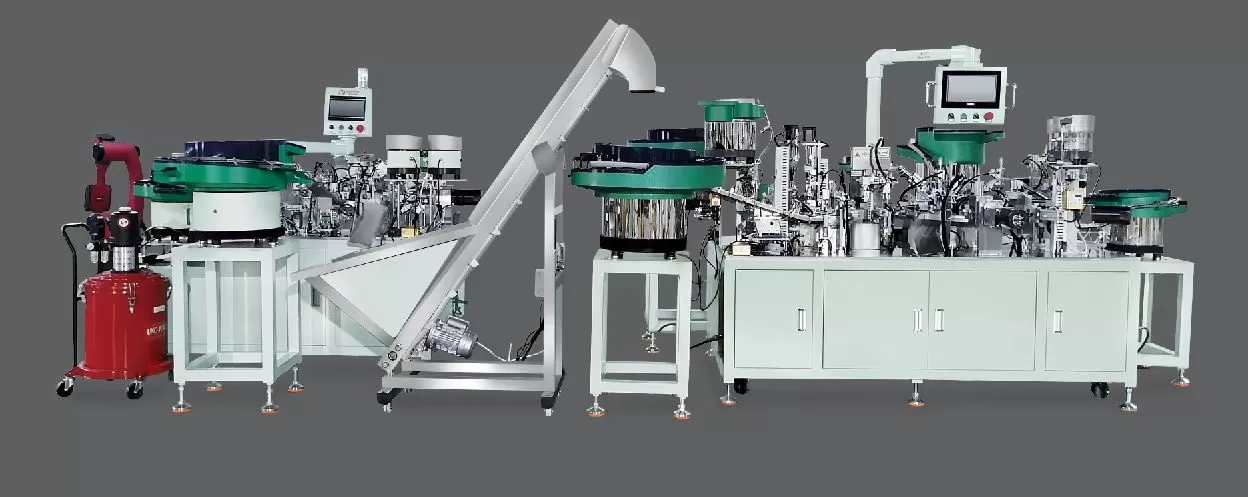
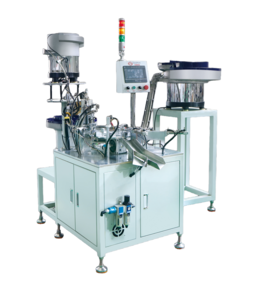
Maintaining the optimal performance of a Jieyang hinge automatic assembly machine is critical for ensuring consistent production output, reducing downtime, and extending the equipment’s operational lifespan. As a professional manufacturer of hinge assembly machines, telescopic drawer slide assembly machines, and roll forming machines, Sanyhore understands the unique maintenance needs of such equipment. This guide outlines a systematic maintenance process tailored to hinge automatic assembly machines, helping operators and maintenance teams implement effective upkeep practices.
Daily Maintenance Protocols:
Daily checks and cleanings form the foundation of hinge assembly machine maintenance. Start by inspecting the machine’s exterior for debris, oil leaks, or loose components. Use compressed air to clear dust and particles from critical areas like the feeding system, assembly table, and conveyor belt. Pay special attention to the grippers and clamping mechanisms, as these directly impact hinge placement accuracy. After cleaning, lubricate key moving parts, including guide rails, shafts, and pivot points, using the recommended lubricant specified by the machine’s manufacturer. For automatic feeding components, verify that all sensors and optical detectors are free of obstructions, as misalignment here can lead to material jams or incorrect hinge orientation.
Weekly Inspection Procedures:
A weekly inspection should delve deeper into the machine’s mechanical and electrical systems. Begin by checking all fasteners, including screws and bolts, to ensure they remain tight. Loose fasteners can cause vibration, leading to premature wear of internal components. Examine the drive belts and pulleys for signs of fraying or misalignment; replace any belt with visible cracks or glazing. For the electrical system, inspect wiring connections for corrosion or damage, and test the control panel functions, such as emergency stop buttons and touchscreen responsiveness, to confirm they operate correctly. Additionally, review the pneumatics system by checking air pressure gauges and ensuring all hoses are free of kinks or leaks.
Monthly Component Replacement:
Over time, certain parts of the hinge automatic assembly machine will experience wear and tear, requiring scheduled replacement to prevent performance degradation. Common components that need periodic inspection and replacement include guide bushings, which can wear down and affect precision feeding, and cutting tools, if the machine includes trimming functions. Bearings in the drive system should be checked for play or unusual noise; if detected, replace them promptly to avoid further damage to adjacent parts. For hydraulic or lubrication systems, inspect filters for clogging and replace them as needed to maintain fluid cleanliness. Always refer to the machine’s manual for the exact replacement intervals and specifications of each component.
Quarterly Calibration and Alignment:
To maintain the high accuracy required for hinge assembly, quarterly calibration is essential. Start by calibrating the machine’s positioning system, ensuring that the X, Y, and Z axes are aligned to the specified tolerances. Use precision measuring tools, such as dial indicators or laser alignment devices, to check the parallelism and垂直度 of critical parts. Calibrate the vision inspection system, if equipped, to ensure it correctly identifies hinge dimensions and defects. Additionally, verify the synchronization between the machine’s mechanical and control systems, adjusting servo motor parameters or limit switches as necessary to match the manufacturer’s recommendations. This step ensures that the machine consistently produces hinges with tight tolerances and minimal defects.
Documentation and Record-Keeping:
Effective maintenance relies on comprehensive documentation. Maintain a maintenance log that records all tasks performed, including daily cleanings, weekly inspections, component replacements, and calibration results. Track the date, time, and technician responsible for each task, along with any issues identified and their resolutions. This log serves as a historical reference, helping identify patterns in machine performance and predict potential maintenance needs. For example, if a specific component frequently requires replacement, it may indicate that the current part is unsuitable for the production environment or that the maintenance schedule needs adjustment. Digital documentation tools can streamline this process, making it easier to access and update records remotely.
Best Practices for Prolonged Machine Lifespan:
Beyond scheduled maintenance, several best practices can extend the life of a hinge automatic assembly machine. Ensure the machine operates in a clean, dry environment with proper ventilation to prevent overheating and corrosion. Train operators to follow correct loading and unloading procedures to avoid excessive force on machine components. Implement a "preventive replacement" policy for non-critical parts, replacing them before they fail to minimize unplanned downtime. Regularly review production data to identify any anomalies, such as increased cycle time or higher defect rates, which may signal the need for additional maintenance. By combining these practices with the structured maintenance process outlined above, you can keep your hinge automatic assembly machine running efficiently for years.
For inquiries about hinge automatic assembly machine maintenance, or to explore Sanyhore’s range of high-quality hinge assembly machines, telescopic drawer slide assembly machines, and roll forming machines, contact our sales manager at +86 13425506550 or email info@sanyhore.com. Our team of experts is ready to support your production needs with professional guidance and reliable equipment.


