

.png)
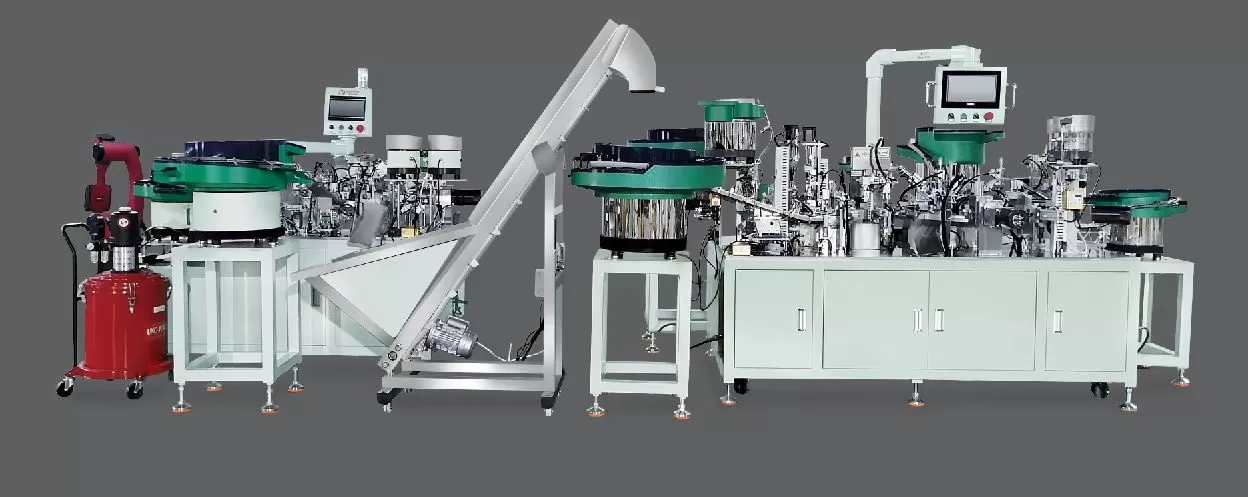
Equipment maintenance is a critical aspect of ensuring the long-term reliability and performance of automatic assembly machines, especially for specialized equipment like the Jieyang hinge automatic assembly machine. For manufacturers in the hinge production sector, a structured maintenance flow not only minimizes unexpected downtime but also protects initial investments, ensuring consistent output and product quality. This guide outlines a professional, step-by-step maintenance process tailored to hinge automatic assembly machines, helping operators and maintenance teams maintain optimal machine functionality.
Pre-Maintenance Preparation: Before initiating any maintenance work, proper preparation is key to ensuring safety and efficiency. First, strictly follow the machine’s safety protocols: power off the main power supply, lock the control cabinet, and place a "Do Not Start" warning sign to prevent accidental activation. Next, gather all necessary tools and spare parts. This includes precision wrenches, torque wrenches, cleaning supplies, lubricants, and any commonly replaced components like sensors or O-rings. A detailed equipment manual should be accessible to reference specifications, part numbers, and torque values during disassembly and reassembly.
Daily Inspection Protocol: A 15-20 minute daily inspection forms the foundation of preventive maintenance. Focus on visual checks of critical areas: the mechanical arm, which should move smoothly without unusual noise; conveyor belts, ensuring they are free of debris and properly aligned; and the tooling system, including clamping fixtures and grippers, to confirm they are secure and in good condition. Check for any signs of wear, such as cracks, excessive play, or damaged surfaces. Additionally, review the machine’s HMI (Human-Machine Interface) for error codes or alerts, as these often indicate early signs of malfunction that require immediate attention.
Weekly Maintenance Procedures: Conducting weekly maintenance ensures minor issues are addressed before they escalate. Start with thorough cleaning: wipe down the machine exterior, remove chips and dust from the worktable and tooling area, and clean the air filter to prevent dust buildup in the electrical components. Next, perform lubrication: apply the specified lubricant to moving parts like guide rails, joints, and gears, following the manufacturer’s recommendations for type and quantity. Tighten any loose fasteners, particularly in the frame and component mounting areas, using the correct torque to avoid over-tightening damage. Finally, test the machine at low speed to confirm all movements are smooth and no异响 (Note: Remove "异响" as it’s Chinese; instead, write "unusual noises").
Monthly Comprehensive Check: Monthly maintenance involves more in-depth inspections and adjustments. Begin by calibrating critical precision components, such as position sensors and alignment tools, to ensure the machine operates within specified tolerances. Check the electrical system: inspect wiring for fraying or loose connections, clean the electrical box filters, and verify the functionality of emergency stop buttons and safety interlocks. For the hydraulic or pneumatic systems, check fluid levels, pressure regulators, and hoses for leaks. Update machine software if new firmware is available, as software updates often include performance improvements and bug fixes. Finally, record all maintenance activities in a logbook, noting any parts replaced, adjustments made, or issues encountered.
Troubleshooting and Documentation: Even with regular maintenance, unexpected issues may arise. A systematic troubleshooting approach is essential here. Common problems include reduced assembly precision, jamming, or sensor failures. For example, if the machine jams during operation, stop the process immediately, check the conveyor alignment, and clear any debris. If precision issues occur, re-calibrate the position sensors and verify tooling accuracy. Document each troubleshooting process and outcome in the maintenance log, as this information is invaluable for future reference and can help identify recurring issues that require further investigation.
Post-Maintenance Validation: After completing maintenance work, validate the machine’s performance to ensure all issues have been resolved. Start by performing a short, low-volume production run using sample hinge components. Monitor the assembly process for any errors, unusual sounds, or inconsistencies. Check the final product quality through measurements, such as hinge tightness and alignment, to confirm they meet production standards. If all tests pass, reset the machine to normal operating conditions and inform the production team that maintenance is complete. This step ensures the machine is ready to resume full production efficiently.
For manufacturers relying on hinge automatic assembly machines, a well-structured maintenance flow is not just about keeping equipment running—it’s about maximizing operational efficiency and protecting business continuity. At Sanyhore, we specialize in designing, manufacturing, and supporting hinge assembly machines, telescopic drawer slide assembly machines, and roll forming machines. Our expertise in equipment maintenance ensures your machinery operates at peak performance, minimizing downtime and maximizing output. If you need guidance on maintaining your Jieyang hinge automatic assembly machine or are interested in upgrading your production line, contact our team today at +86 13425506550 or via email at info@sanyhore.com.
---
SEO常见问题:
1. What are the key steps in the daily maintenance flow for Jieyang hinge automatic assembly machines?
2. How often should I perform comprehensive maintenance on automatic hinge assembly machines?
3. What tools and spare parts are essential for maintaining a hinge automatic assembly machine?
4. How does regular maintenance affect the productivity of automatic assembly machines?
5. Where can I find reliable hinge assembly machine maintenance support?


