

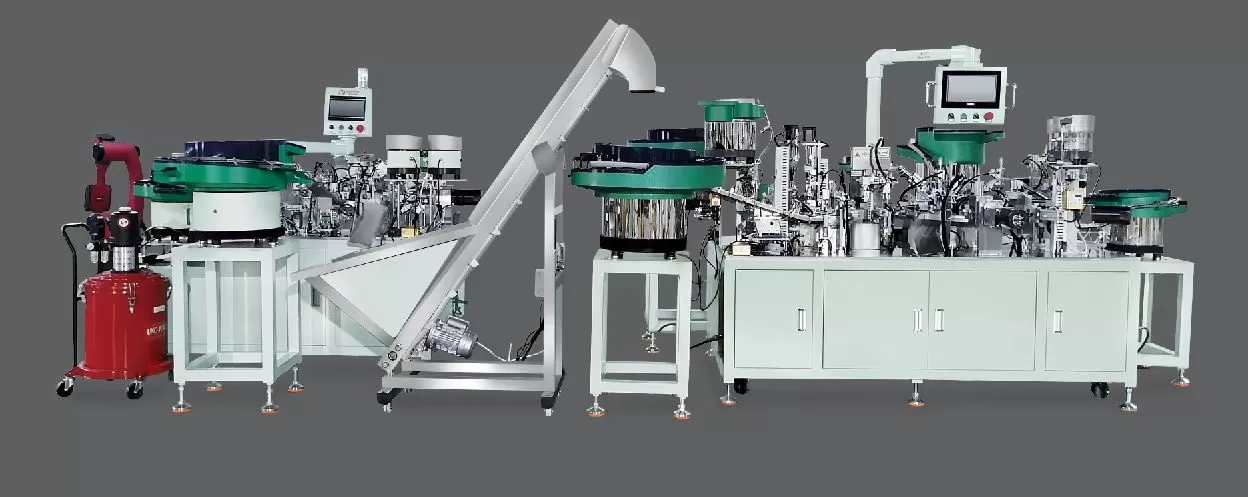
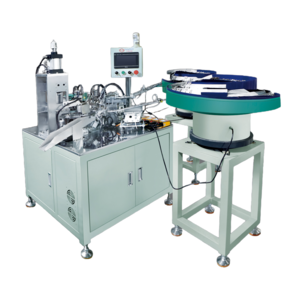
Debugging is a critical phase in the lifecycle of any automatic assembly machine, ensuring that the equipment operates at peak efficiency, meets production requirements, and minimizes downtime. For Jieyang hinge automatic assembly machines, a systematic debugging process is essential to validate mechanical, electrical, and software components, as well as to ensure seamless integration with production lines. As a professional manufacturer specializing in hinge assembly machines, telescopic drawer slide assembly machines, and roll forming machines, Sanyhore emphasizes the importance of a structured debugging approach to deliver reliable and high-performance equipment to clients. This guide outlines the key steps and best practices for debugging Jieyang hinge automatic assembly machines, helping operators and technicians achieve optimal results.
1. Pre-Commissioning Preparation: Laying the Foundation for Success
Before initiating the debugging process, thorough preparation is crucial to avoid unnecessary delays and errors. First, review the equipment documentation, including the machine’s technical manual, wiring diagrams, and software specifications. This step ensures familiarity with the machine’s structure, components, and intended functionality. Next, gather the necessary tools, such as multimeters, torque wrenches, calibration instruments, and diagnostic software, to facilitate inspections and adjustments. Additionally, coordinate with the production team to schedule the debugging window, ensuring minimal disruption to the production schedule. A clean and organized workspace is also essential, as clutter or improper positioning of tools can lead to accidental damage or missed connections. By investing time in pre-commissioning preparation, technicians can establish a clear roadmap for the debugging process and reduce the risk of oversights.
2. Hardware Inspection and Connection Verification: Ensuring Stability and Safety
The hardware inspection phase focuses on verifying the integrity of mechanical, electrical, and pneumatic components, as well as their connections. Start with a visual inspection of the machine’s structure, checking for loose bolts, damaged parts, or signs of misalignment. Pay special attention to critical components like the hinge feeding system, assembly fixtures, and drive mechanisms, as these directly impact assembly precision. For electrical systems, inspect wiring harnesses for fraying, short circuits, or loose terminals using a multimeter to test continuity and voltage levels. Ensure that all sensors, limit switches, and actuators are securely mounted and properly connected to their respective control units. Pneumatic components, such as air cylinders and solenoid valves, should be checked for air leaks, proper pressure regulation, and functional operation. A thorough hardware inspection not only ensures the machine’s physical stability but also prevents potential safety hazards during operation.
3. Software Configuration and Parameter Setting: Enabling Seamless Control
With hardware components verified, the next step is to configure the machine’s software and set initial parameters. This involves installing the latest control system software, such as PLC (Programmable Logic Controller) programs or HMI (Human-Machine Interface) applications, and ensuring compatibility with the machine’s hardware. Import the production recipes and process parameters, which are pre-engineered based on the hinge model and production requirements. These parameters typically include assembly speed, tool positioning coordinates, and material feeding timing. During configuration, verify that the software recognizes all connected devices, such as servo motors, encoders, and vision systems, to avoid communication errors. Test the software interface to ensure user-friendly navigation, allowing operators to easily access diagnostic tools and adjust settings as needed. Proper software configuration forms the backbone of the machine’s functionality, enabling precise control over each assembly step.
4. Calibration and Precision Adjustment: Achieving Production Accuracy
Calibration is a critical step to ensure the machine meets the required precision standards for hinge assembly. Start with mechanical calibration, such as aligning the hinge feeding track to ensure smooth material flow and preventing jams. Use precision measuring tools, like dial indicators or laser alignment instruments, to adjust the position of assembly fixtures, ensuring that hinges are centered and securely held during the assembly process. For servo-driven components, calibrate the axis positioning accuracy by testing the movement range and repeatability, adjusting backlash and limit switches as necessary. Vision systems, if equipped, require calibration to ensure accurate part detection and orientation, using calibration targets to fine-tune image processing parameters. Electrical calibration involves verifying sensor readings, such as those from load cells or proximity sensors, to ensure they provide accurate feedback to the control system. By meticulously calibrating each component, the machine can achieve the tight tolerances required for high-quality hinge production.
5. Trial Operation and Fault Diagnosis: Identifying and Resolving Issues
After calibration, a trial operation is conducted to test the machine under simulated production conditions. Start with single-step testing, where each assembly module (e.g., feeding, positioning, crimping, and unloading) is run individually to verify its functionality. Monitor the operation closely, noting any anomalies such as unusual noises, excessive vibration, or misaligned parts. If issues arise, use the machine’s diagnostic tools to identify the root cause, which may involve checking sensor data, software logs, or mechanical connections. Common problems during trial operation include incorrect parameter settings, loose fasteners, or sensor malfunctions, which can be resolved by adjusting settings, tightening connections, or replacing faulty components. For more complex issues, consult the technical manual or contact the manufacturer’s support team for guidance. Continuous iteration during trial operation ensures that all potential problems are addressed before full-scale production begins.
6. Documentation and Operator Training: Ensuring Long-Term Reliability
Once the machine passes all trial tests and operates smoothly, documentation and operator training are essential to maintain performance and minimize future issues. Document the entire debugging process, including adjustments made, parameter settings, and troubleshooting steps, in a detailed report. This record serves as a reference for future maintenance or when changing production batches. Provide comprehensive training to operators, covering basic operation, routine maintenance, and emergency stop procedures. Train them to recognize early warning signs of potential issues, such as abnormal sounds or decreased production speed, and to perform simple checks like cleaning the feeding system or lubricating moving parts. By equipping operators with the necessary knowledge and skills, Sanyhore ensures that the hinge automatic assembly machine remains reliable and efficient throughout its operational life.
7. Post-Commissioning Support: Your Trusted Partner in Production
At Sanyhore, we understand that debugging is just the beginning of our partnership with clients. Our team of experts is available to provide post-commissioning support, including regular maintenance, spare part supply, and technical consultation. Whether you need to adjust parameters for new hinge models or address unexpected issues, our dedicated support ensures minimal downtime and maximum production output. As a professional manufacturer of hinge assembly machines, telescopic drawer slide assembly machines, and roll forming machines, we are committed to delivering equipment that meets your specific production needs. For inquiries about Jieyang hinge automatic assembly machines or to schedule a consultation, contact our sales manager at +86 13425506550 or send an email to info@sanyhore.com. Let Sanyhore be your reliable partner in optimizing hinge production efficiency.


