
Designing production equipment with easy maintenance at its core is non-negotiable for modern manufacturers. In fast-paced industries like hinge manufacturing, drawer slide production, and metal forming, unplanned downtime can lead to significant financial losses, delayed orders, and strained operational morale. For engineers and plant managers, prioritizing easy maintenance design isn’t just about reducing repair time—it’s about creating systems that work *with* your team, not against it. This article explores how intentional design choices minimize complexity, simplify upkeep, and keep production lines running smoothly, with practical insights tailored to industries relying on precision machinery.
#Design Principles for Easy Maintenance: Building for Simplicity
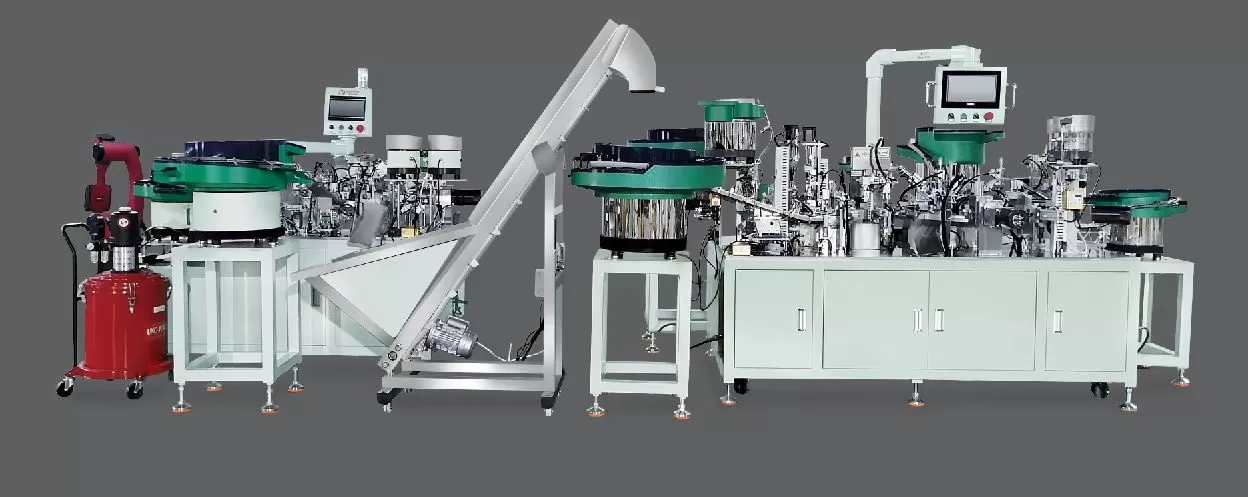
At the heart of easy maintenance design lies the principle of simplicity without compromise. When engineers prioritize upkeep, they focus on reducing the number of moving parts, standardizing components, and making critical systems accessible. For example, modular design—where key parts (like hinges, slide rails, or forming tools) are pre-engineered to snap into place—eliminates the need for specialized tools or complex disassembly. Similarly, standardized fasteners (e.g., hex bolts, quick-clamps) reduce inventory costs and ensure technicians can source replacements quickly. Sanyhore’s hinge assembly machines, for instance, use modular tooling systems that allow operators to swap out worn parts in under 10 minutes, avoiding hours of troubleshooting.
#Key Components of Easy Maintenance Machinery: Accessibility and Visibility
Easy maintenance isn’t just about how parts are built—it’s about how technicians *interact* with them. Machinery designed for simplicity includes clear access points to critical systems, such as lubrication points, filters, and electrical connections. For example, a telescopic drawer slide assembly machine might feature side panels that swing open effortlessly, revealing the drive mechanism without needing to remove entire covers. Similarly, roll forming machines often include transparent guards and labeled diagrams indicating where to check oil levels or adjust tension. Sanyhore incorporates these features into all its equipment, ensuring that even new technicians can perform routine checks with minimal training.
#Industry-Specific Applications: Hinge, Slide, and Forming Machinery
Different production processes demand unique maintenance considerations. In hinge manufacturing, for instance, parts like coiled springs and pivot pins require frequent inspection. Sanyhore’s hinge assembly machine addresses this with a self-lubricating pivot system and detachable spring compartment, reducing the need for frequent greasing. For drawer slide production, where precision alignment is critical, the telescopic slide assembly machine uses linear guides with built-in wear indicators—so technicians can immediately spot when replacements are needed. Meanwhile, roll forming machines, which process metal sheets into complex shapes, rely on easy-change tooling. Sanyhore’s roll forming machinery features quick-adjustment dies and a digital interface that stores setup parameters, cutting changeover time from hours to minutes.
#Implementation Strategies: From New Builds to Retrofits
For manufacturers looking to enhance their production lines, easy maintenance design can be implemented in two ways: new equipment selection or retrofitting existing machinery. When choosing new equipment, prioritize suppliers with a proven track record in modular design, like Sanyhore. Our team works closely with clients to identify pain points, such as frequent breakdowns or hard-to-reach parts, and design solutions that address these directly. For retrofits, focus on low-cost upgrades: adding access panels, replacing complex fasteners with standardized ones, or installing visual maintenance checklists. Even small changes, when combined, can transform a difficult-to-maintain machine into a reliable workhorse.
#Conclusion: The Long-Term Value of Easy Maintenance
The ROI of easy maintenance design is clear: reduced downtime, lower repair costs, and a more engaged workforce. For Sanyhore, we don’t just design machinery—we design systems that let manufacturers focus on production, not breakdowns. Our hinge assembly machines, telescopic drawer slide assembly machines, and roll forming machines are built with the end user in mind, ensuring that upkeep never becomes a bottleneck.
#FAQ: Addressing Common Production Line Maintenance Concerns
Q: How much does easy maintenance design add to equipment costs?
A: While initial investment may be slightly higher, the long-term savings from reduced downtime, lower labor costs, and fewer part replacements offset this quickly. For example, a plant using Sanyhore’s modular machinery typically sees a 30% reduction in maintenance hours within the first year.
Q: Can easy maintenance design work with legacy equipment?
A: Absolutely. Retrofits—like adding access panels or upgrading fasteners—can often be done in days, with minimal disruption to production. Sanyhore offers customized retrofit kits for older machines to improve their upkeep potential.
Ready to transform your production line? Contact Sanyhore today for a free consultation. Our team of experts is available at +86 13425506550 or via email at info@sanyhore.com to discuss how easy maintenance design can boost your operational efficiency.


