

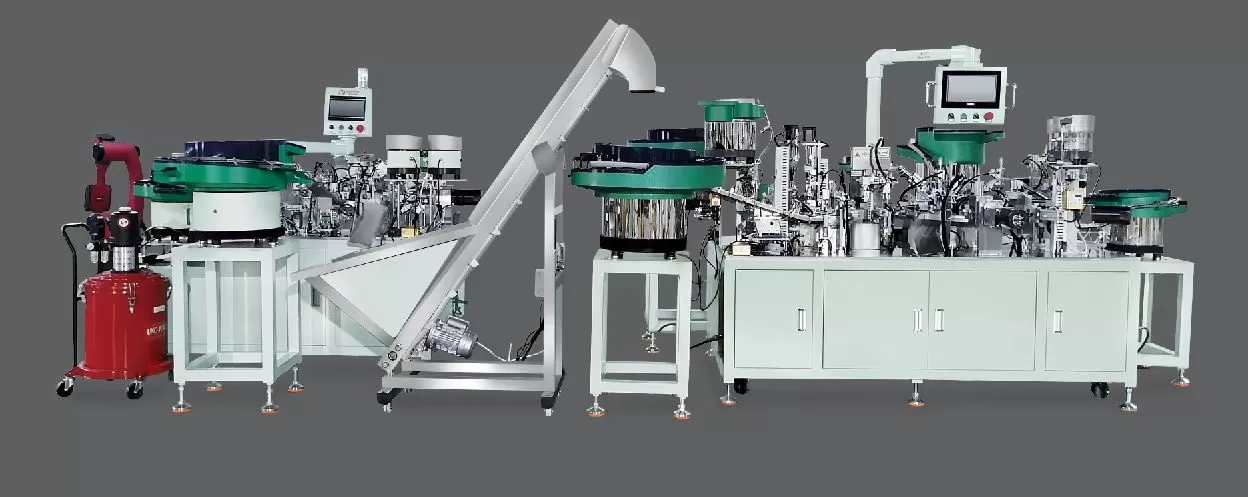
Traditional manufacturing, despite its historical role in industrial progress, still faces persistent hurdles that hinder scalability and competitiveness. From labor-intensive workflows and inconsistent quality control to slow production cycles and high operational costs, these issues have long limited growth. However, the integration of cutting-edge technology is rapidly transforming the sector, introducing new efficiencies and capabilities. This shift not only addresses traditional pain points but also paves the way for smarter, more resilient production systems.
The Persistent Challenges of Traditional Manufacturing
Traditional factories often rely on manual operations, which are inherently prone to human error and inefficiency. For instance, assembling hinges or telescopic drawer slides by hand demands precise human dexterity, but even the most skilled workers struggle to maintain consistent quality across large production runs. Additionally, traditional setups lack real-time data insights, making it difficult to identify bottlenecks or predict maintenance needs. This lack of connectivity and adaptability leaves manufacturers vulnerable to delays, increased waste, and higher costs—issues that modern industries cannot afford in a competitive market.
Automation: Redefining Production Lines
Automation has emerged as a cornerstone of modern manufacturing, replacing repetitive manual tasks with robotic systems and pre-programmed machinery. By integrating automated assembly lines, manufacturers can significantly reduce reliance on human labor, minimizing errors and boosting throughput. For example, hinge assembly machines equipped with automated feed systems and vision-guided placement ensure each component is positioned with sub-millimeter precision, eliminating variability in product quality. Similarly, telescopic drawer slide assembly machines automate the complex process of aligning and securing multiple parts, reducing production time by up to 60% compared to manual methods. This shift not only lowers operational costs but also frees up human resources for more strategic roles, such as system monitoring and optimization.
AI and Data Analytics: Smart Decision-Making
Artificial Intelligence (AI) and data analytics are revolutionizing how manufacturers make decisions, moving beyond reactive problem-solving to proactive management. By analyzing real-time production data—such as machine performance, material usage, and defect rates—AI systems can identify patterns and anomalies that human operators might miss. For instance, predictive maintenance algorithms can forecast when a roll forming machine might require servicing, preventing unplanned downtime and reducing repair costs. Similarly, AI-driven quality control systems use machine vision to inspect products for defects, flagging issues instantly and enabling immediate adjustments. This level of data-driven intelligence transforms manufacturing from a "trial-and-error" process to a science, ensuring consistent quality and operational efficiency.
IoT and Connectivity: The Backbone of Smart Factories
The Internet of Things (IoT) has turned traditional factories into interconnected, data-rich environments. By equipping machines, tools, and even raw materials with sensors, manufacturers gain real-time visibility into every stage of production. This connectivity allows for remote monitoring, enabling managers to track progress from anywhere and adjust processes dynamically. For example, an IoT-enabled roll forming line can transmit data on material thickness and machine speed to a central dashboard, where operators can tweak parameters to maintain optimal output. This seamless flow of information not only enhances control over production but also fosters collaboration between departments, creating a more integrated and responsive manufacturing ecosystem.
Robotics: Enhancing Precision and Safety
Collaborative robots, or cobots, are another key innovation reshaping manufacturing. Unlike traditional industrial robots, cobots are designed to work alongside human workers, enhancing precision and safety in high-risk or repetitive tasks. In hinge assembly, cobots with specialized grippers can handle delicate components with the same care as manual workers but at a faster pace, reducing cycle times and improving consistency. Additionally, cobots are programmed to perform tasks that are physically demanding for humans—such as lifting heavy materials or working in tight spaces—minimizing workplace injuries and improving overall safety. This blend of human expertise and robotic efficiency creates a production environment that is both productive and secure.
Sanyhore: Adapting to Modern Manufacturing Needs
As a leading provider of manufacturing solutions, Sanyhore understands the unique challenges traditional industries face. The company specializes in developing advanced machinery tailored to modern production demands, including hinge assembly machines, telescopic drawer slide assembly machines, and roll forming machines. Each of these systems integrates cutting-edge automation, AI, and IoT capabilities, enabling clients to overcome inefficiencies and enhance their competitive edge. Sanyhore’s equipment is designed with flexibility in mind, allowing manufacturers to adapt to changing market needs without extensive overhauls. By prioritizing innovation and reliability, Sanyhore empowers clients to embrace the future of manufacturing with confidence.
Conclusion: Embracing the Future of Production
The integration of cutting-edge technology is no longer a luxury but a necessity for traditional manufacturing. From automation and AI to IoT and robotics, these advancements are not just streamlining operations—they are redefining what is possible in production. For manufacturers looking to modernize, partnering with a trusted provider like Sanyhore can make all the difference. With a focus on quality, innovation, and client success, Sanyhore is committed to helping businesses overcome challenges and achieve sustainable growth. To learn more about hinge assembly machines, telescopic drawer slide assembly machines, or roll forming machines, reach out today.
For inquiries about Sanyhore’s manufacturing solutions, contact us at +86 13425506550 or via email at info@sanyhore.com.


