

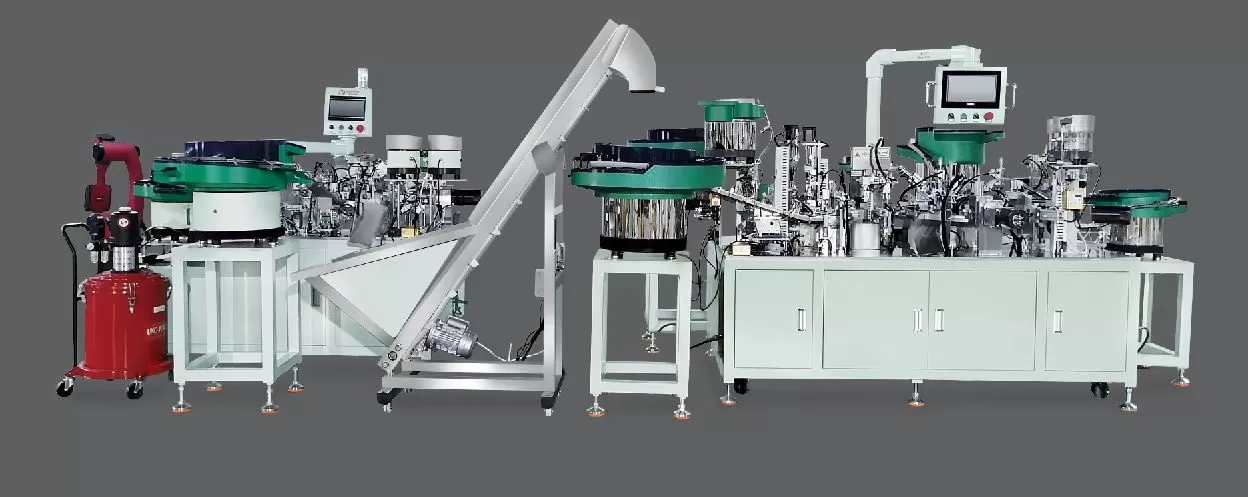
Automatic calibration is a critical procedure for ensuring the consistent performance and long-term reliability of automatic assembly machines, including Jieyang Hinge Automatic Assembly Machines. This process involves systematic adjustments to mechanical, electrical, and sensor components, ensuring that all operational parameters align with predefined standards. By maintaining optimal calibration, manufacturers can minimize errors, reduce production downtime, and extend the service life of the equipment, ultimately enhancing overall operational efficiency and product quality. As a professional manufacturer specializing in hinge assembly machines, telescopic drawer slide assembly machines, and roll forming machines, Sanyhore understands the unique demands of precision assembly and offers insights into optimizing these machines through effective calibration.
Importance of Automatic Calibration for Hinge Assembly Machines
Hinge assembly machines, especially automatic models, rely on intricate coordination between multiple components—from feeding systems and clamping mechanisms to welding or riveting units. Over time, factors like mechanical wear, thermal expansion, or material variability can disrupt this coordination, leading to misaligned parts, inconsistent joint quality, or even equipment breakdowns. Automatic calibration addresses these issues by restoring the machine’s operational parameters to their original specifications, ensuring each hinge is assembled with the required precision. For hinge assembly, this precision directly impacts functionality, such as smooth movement, durability, and aesthetic consistency, which are critical for customer satisfaction.
Pre-Calibration Preparation
Before initiating the automatic calibration process, several preparatory steps are essential to ensure accuracy and safety. First, operators must consult the machine’s user manual to identify key calibration points, which typically include axis alignment, sensor sensitivity, pressure settings, and tool positioning. Next, the machine should be powered down and isolated to prevent accidental activation, with safety barriers or warning signs placed around the work area. Calibration tools, such as precision dial indicators, laser alignment systems, or torque wrenches, should be calibrated themselves to ensure their measurements are reliable. Additionally, a checklist of required parameters—such as target torque values, positional tolerances, and cycle time benchmarks—should be prepared to guide the process.
Step-by-Step Automatic Calibration Process
The automatic calibration process for Jieyang Hinge Automatic Assembly Machines generally follows a structured sequence:
1. Axis Alignment Check: Using laser or visual alignment tools, verify the parallelism and perpendicularity of moving axes (e.g., X, Y, Z axes). Adjust mounting brackets or guide rails if deviations exceed acceptable limits, ensuring each component moves smoothly without backlash.
2. Sensor Calibration: Validate the performance of critical sensors, such as position sensors, force sensors, or vision systems. This involves testing sensor responses to standard inputs (e.g., known object positions or forces) and adjusting their thresholds or offsets to match the machine’s requirements.
3. Parameter Adjustment: Fine-tune operational parameters, including clamping force, welding current, or feeding speed, based on pre-determined benchmarks. For hinge assembly, this may involve adjusting the depth of insertion or the angle of joint formation to meet quality standards.
4. Tool Calibration: Ensure all tools (e.g., grippers, dies, or nozzles) are properly seated and aligned. Use precision tools to measure tool wear or misalignment, replacing or reconditioning tools as needed to maintain their functionality.
5. System Integration Test: After adjustments, run a test assembly cycle with sample hinges, monitoring for errors in joint formation, part positioning, or cycle time. Collect data on output quality and machine performance to confirm calibration success.
Post-Calibration Verification
Post-calibration verification is a critical step to confirm that the adjustments have achieved the desired results. This involves comparing actual machine performance against pre-calibration benchmarks, such as part error rates, production speed, or tool repeatability. Using statistical process control (SPC) tools, operators can analyze data from multiple assembly cycles to ensure consistency. If deviations are detected, the calibration process should be repeated, with adjustments made to address the root cause. A final quality check of assembled hinges—including visual inspection, dimensional measurements, and functional testing—ensures the machine now meets the required standards.
Benefits of Regular Automatic Calibration
Regularly calibrating Jieyang Hinge Automatic Assembly Machines offers numerous benefits. It reduces the risk of defective products, lowering material waste and rework costs. By maintaining optimal precision, the machine can operate at higher speeds, increasing production output without compromising quality. Additionally, proper calibration extends the lifespan of machine components by minimizing unnecessary stress and wear, reducing the frequency of repairs and downtime. For manufacturers, these advantages translate to improved profitability, enhanced customer trust, and a competitive edge in the market.
Best Practices for Maintaining Calibration Accuracy
To ensure long-term calibration accuracy, it is essential to implement best practices, such as scheduling regular calibration intervals (e.g., monthly or quarterly, depending on usage), documenting all calibration procedures and results, and training operators on proper setup and monitoring. Environmental factors, such as temperature and humidity, can also affect calibration, so maintaining a stable workshop environment is recommended. By integrating calibration into routine maintenance, manufacturers can proactively address issues before they impact production, ensuring the hinge assembly machine remains reliable and efficient.
For inquiries about automatic calibration of hinge assembly machines or to explore Sanyhore’s range of hinge assembly, telescopic drawer slide assembly, and roll forming machines, contact us at +86 13425506550 or info@sanyhore.com. As a dedicated manufacturer, we are committed to supporting your production needs with high-quality, reliable equipment and expert guidance.


