

Contact: Ava, +8613425506550 (WhatsApp & WeChat)
How the Automatic Assembly System Operates
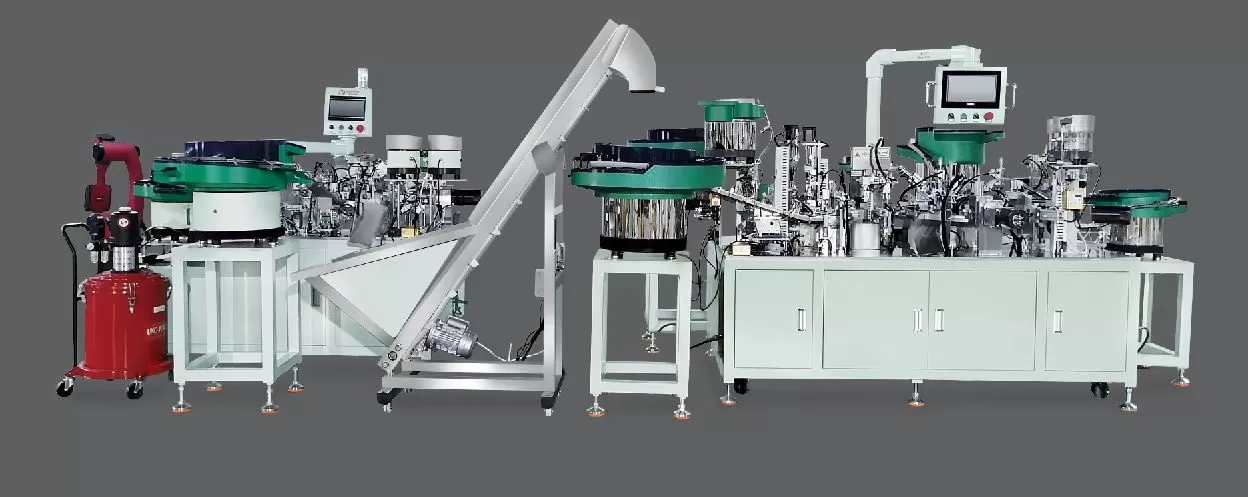
Hydraulic hinge automatic assembly machines feature a modular design that uses precision conveying systems to transport hinge components through sequential workstations. The core of the equipment lies in its sophisticated hydraulic control system and automated assembly units, which handle the feeding, pressing, and fastening of components like hinge cores, base plates, and screws. Controlled by a centralized PLC system and supported by high-precision sensors, the machine ensures accurate positioning and synchronized movements throughout the entire assembly process.
Key Advantages for Manufacturing Operations
The most notable benefits of these machines include exceptional production efficiency and consistent product quality. Compared to manual assembly, automated systems can operate continuously for 24 hours, with daily output reaching several thousand hinge sets. The precision hydraulic control system guarantees uniform assembly quality for each hinge, effectively avoiding common issues such as missing components or incorrect installation. Additionally, automation significantly reduces labor requirements, leading to substantial savings in long-term workforce and management costs.
Important Selection Criteria for Buyers
When choosing a hydraulic hinge automatic assembly machine, several factors should be considered. First, clearly define your production needs, including hinge types, output requirements, and product specifications. Next, evaluate the machine's core components, focusing on hydraulic system reliability, control system sophistication, and durability of critical parts. The manufacturer's technical expertise and after-sales service are equally important. It's advisable to work with established suppliers like Sanyhore, who can provide customized solutions based on specific production requirements.
Maintenance Guidelines for Optimal Performance
To ensure long-term reliable operation, implement a structured maintenance program. Daily maintenance includes checking hydraulic oil levels and quality, cleaning machine surfaces and conveying mechanisms, and tightening loose components. Monthly inspections should cover hydraulic system seals and sensor sensitivity, while quarterly maintenance should include lubrication of key moving parts. Operators should receive proper training to understand equipment procedures and basic troubleshooting methods, helping maintain optimal machine performance.
Sanyhore offer multiple machine models, inlcuding all 261 normal hinge, 2D hinge, 3D hinge.
Please contact our sales representative for detailed quotations.
Contact: Ava, +8613425506550 (WhatsApp & WeChat).


